Yazılar

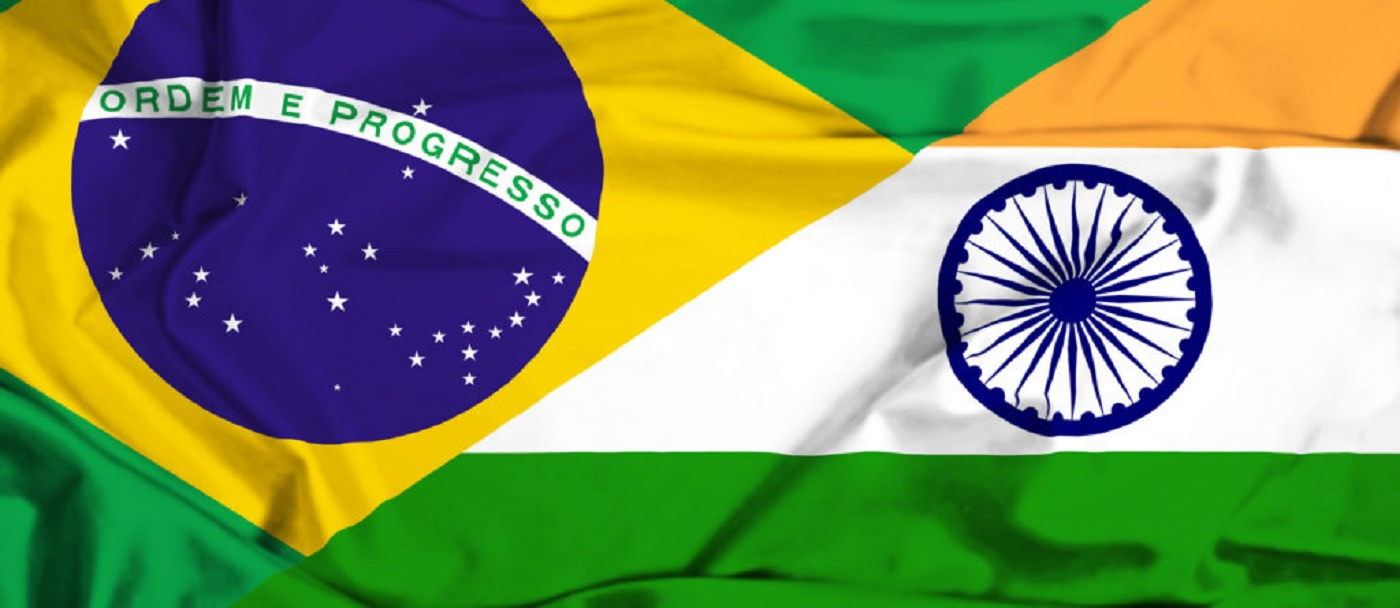
Modi and Lula Discuss Trade, U.S. Tariffs, and BRICS Strategy Amid Trump’s Economic Offensive

Indian Prime Minister Narendra Modi and Brazilian President Luiz Inácio Lula da Silva held a phone call on Thursday, addressing a range of issues including new U.S. tariffs targeting both nations. The discussion came just a day after Lula told Reuters he planned to raise the matter within the BRICS group — comprising Brazil, Russia, India, China, and South Africa — to coordinate a response.

Lula confirmed he would make a state visit to India in early 2026. According to his office, both leaders reviewed the global economic climate and condemned the “unilateral tariffs” recently announced by U.S. President Donald Trump, noting that Brazil and India are currently the hardest hit.

Trump’s latest measures include an additional 25% tariff on Indian goods — raising the total duty to 50% — effective August 28, citing India’s continued purchases of Russian oil. Brazil faces a 50% tariff on most exports, with smaller increases for sectors such as aircraft, energy, and orange juice. Trump linked the move to what he described as a “witch hunt” against former President Jair Bolsonaro, who is on trial for an alleged coup plot after his 2022 election loss.

During their conversation, Modi and Lula reiterated their ambition to boost bilateral trade to over $20 billion annually by 2030, up from roughly $12 billion last year. They agreed to expand the preferential trade agreement between India and the South American trade bloc Mercosur and explored cooperation on digital payment systems.

While Modi’s statement did not explicitly mention Trump or U.S. tariffs, it confirmed that both leaders exchanged views on regional and global issues. India is signaling a possible shift in foreign policy following Washington’s tariff escalation, with Modi preparing for his first visit to China in over seven years — a move that could indicate a strategic rebalancing.

Huawei aims to expand role in Brazil’s data center market amid pending tax incentives

Chinese technology giant Huawei has expressed interest in strengthening its position as a supplier of data center solutions in Brazil, Reuters reported on Thursday. While Huawei clarified it does not plan to invest directly in data centers, the company is keen to provide connectivity, storage, and energy solutions for the growing market.

Huawei’s Latin America and Caribbean Vice President of Public Relations, Atilio Rulli, emphasized the importance of the Brazilian government implementing upcoming tax-break incentives designed to attract tech investments. “We want the government to implement these incentives, which are good for the country, and the time has to be now,” he said.

Brazil, Latin America’s largest economy, is working to build a strong data center industry leveraging its abundant renewable energy resources. The government’s tax-break plan is expected to be sent to Congress soon, according to a finance ministry adviser.

The country has already attracted attention from major players such as ByteDance, TikTok’s parent company, as part of its digital infrastructure expansion.

Huawei reaffirmed its commitment to supporting Brazil’s digital transformation with reliable, scalable, and sustainable data center solutions once government incentives come into force.

Cyberattack on Brazil Tech Provider Disrupts Reserve Accounts of Several Financial Institutions

Brazil’s central bank revealed on Wednesday that C&M Software, a technology services provider catering to financial institutions without their own connectivity infrastructure, suffered a cyberattack targeting its systems. In response, the central bank ordered C&M to suspend access to the infrastructure it manages for these institutions.

Kamal Zogheib, C&M Software’s commercial director, confirmed the company was a direct victim of the attack, which involved fraudulent use of client credentials to try to access its services. Despite the breach, C&M said its critical systems remain intact and fully operational, with all security protocols activated. The company is working closely with the central bank and Sao Paulo state police as investigations continue.

Brazilian financial institution BMP and five other banks reported unauthorized access to their reserve accounts during the Monday attack. These reserve accounts, held directly at the central bank, are used solely for interbank settlements and are separate from client accounts, which were unaffected. BMP stated it has taken appropriate operational and legal measures and holds sufficient collateral to cover any impacted amounts, ensuring no disruption to its operations or partners.

An anonymous official indicated C&M services about two dozen smaller financial institutions, and the financial impact of the attack does not reach billions of reais. Another source confirmed no losses were sustained by clients.

The central bank refers to these affected entities as “financial institutions lacking their own connectivity infrastructure,” including many digital payment providers that have grown rapidly in Brazil. The Pix instant payment system, operated by the central bank since late 2020, has become the country’s most popular payment method, driving competition and innovation in the sector.