
Yazılar

MercadoLibre Expands Free Shipping in Brazil to Counter Rising Competition

MercadoLibre, Latin America’s leading e-commerce platform, announced on Friday a significant expansion of its free shipping policy in Brazil, its largest and most profitable market. The move comes as competition intensifies with rivals like Amazon, Shopee, and emerging players such as Temu gaining traction in the region.

Effective immediately, purchases of 19 reais ($3.40) or more will qualify for free shipping, a sharp reduction from the previous minimum threshold of 79 reais ($14.15). According to Fernando Yunes, head of MercadoLibre’s e-commerce operations in Brazil, “practically the entire site will have free shipping from now on.” This aggressive change aims to boost sales volume across a wider range of products, particularly lower-priced items where competitors have been gaining market share.

Brazil accounts for over 50% of MercadoLibre’s total e-commerce revenue, making the market critical for its overall financial performance. The decision to absorb the financial impact of expanded free shipping underscores the company’s commitment to defending its market leadership. However, Yunes declined to provide specific estimates regarding the cost of the initiative.

The move follows earlier cuts to shipping fees for sellers on the platform, with discounts of up to 40% implemented since late May. Analysts at Itau BBA noted that these changes are strategically targeting product segments where Shopee has been increasingly successful, particularly in lower-priced, high-turnover categories.

While the expanded free shipping is expected to be costly in the short term, MercadoLibre is betting that higher transaction volumes and stronger customer loyalty will offset the immediate financial burden. The company’s long-standing investments in logistics infrastructure, including its proprietary delivery network, provide it with greater flexibility to absorb such aggressive pricing strategies compared to some of its competitors.

MercadoLibre remains Latin America’s most valuable company by market capitalization, but it faces mounting pressure from both established global giants and newer entrants offering highly competitive pricing models. The decision to further lower the free shipping threshold reflects the fierce competition in Brazil’s rapidly growing e-commerce sector, where convenience and price sensitivity remain key drivers of consumer behavior.
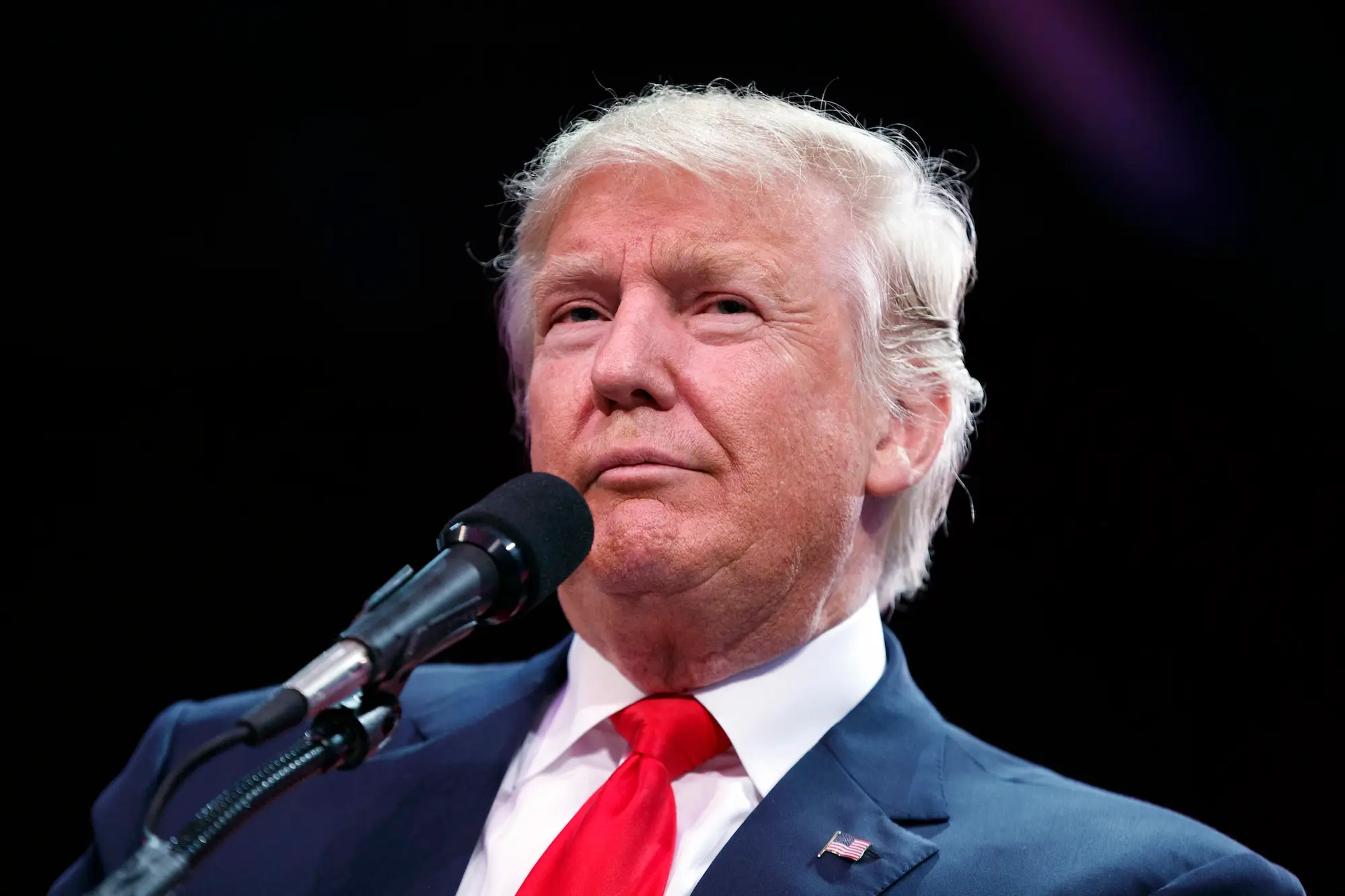
Brazil Delays Big Tech Tax Amid Trump Tariff Negotiations

Brazil has decided to delay a proposed tax on major tech firms, citing concerns that such a move could escalate tensions with the United States amid ongoing tariff negotiations under U.S. President Donald Trump’s administration. According to sources familiar with the matter, Brazil’s government will focus on advancing a separate bill to regulate competition among large digital platforms instead.

Government’s Shift in Focus

The proposal to tax U.S.-based tech giants like Amazon, Google, and Meta was initially set to be introduced in the second half of 2024, contingent on the country’s revenue projections. However, Brazilian officials have opted to shelve this plan for the time being, fearing it could worsen trade relations during sensitive talks on tariffs.

A Focus on Competition Over Taxation

Instead of focusing on taxation, the Brazilian government will now prioritize legislation designed to regulate competition within the digital marketplace. The bill, which went to public consultation in January 2024, aims to address issues like “killer acquisitions” and anti-competitive practices by tech firms, such as the manipulation of search results to favor their own services. This approach is seen as a less confrontational alternative that focuses on market fairness rather than taxation.

Concerns Over Timing and U.S. Tariffs

Sources revealed that the Brazilian government is cautious about the timing of any tax proposals, especially given the uncertainties surrounding Trump’s upcoming tariff actions. In a move that could complicate negotiations, introducing a tax targeting prominent U.S. companies could exacerbate tensions, particularly with Trump’s plan to sharply raise U.S. tariffs on April 2, 2025. The U.S. president has threatened to increase tariffs to match those of other countries, which could strain relations further.

On Monday, Trump indicated that not all of the proposed tariff increases would go into effect on April 2, with some countries potentially receiving exemptions. His remarks were seen as a sign of flexibility, calming market concerns that had been building due to the uncertainty surrounding the trade talks.

Brazil’s Broader Trade Negotiations

In addition to tariff talks, Brazil is pushing for an integrated negotiation process with Washington, particularly regarding sugar and ethanol exports. Brazilian Finance Minister Fernando Haddad emphasized that these talks would likely be lengthy, as Brazil aims to secure favorable terms on its key agricultural products while navigating the complexities of the broader trade relationship with the U.S.

Brazil May Revise Fintech Reporting Rules Over Money Laundering Risks

Brazil’s tax revenue agency is expected to revisit discussions on requiring financial technology companies to report transaction values amid concerns over money laundering, agency head Robinson Barreirinhas said on Tuesday.

Speaking at a Senate hearing, Barreirinhas highlighted strong evidence that lesser-known payment institutions are being exploited for illicit financial activities. The government had initially planned to extend transaction-tracking requirements to fintechs but suspended the measure last year following public backlash.

“I don’t want to demonize fintechs … but the truth is that many end up being used (for illicit transactions) due to the ease of opening accounts,” Barreirinhas stated, emphasizing the need for stricter regulations on account openings.

In September, Brazil’s tax agency issued a rule mandating fintechs to report transactions—including those made via the widely used Pix instant payment system—aligning their reporting obligations with traditional banks. However, opposition to President Luiz Inácio Lula da Silva framed the measure as an effort to impose new taxes on workers, leading the administration to suspend the rule in January after a sharp decline in Lula’s approval ratings.

Barreirinhas also voiced concerns about organized crime financing in Brazil, citing illicit trade in smuggled cigarettes, e-cigarettes, cryptocurrencies, and online betting as key issues requiring regulatory attention.