Yazılar

Brazil Demands Explanation from Meta Over Changes to Fact-Checking Program

The Brazilian government has given Meta 72 hours to explain its recent changes to its fact-checking program, according to Solicitor General Jorge Messias. This demand comes after the social media giant decided to scrap its U.S.-based fact-checking initiative and loosen restrictions on discussions about sensitive topics like immigration and gender identity.

The Brazilian government expressed significant concern over Meta’s policy shift, with Messias criticizing the company’s inconsistency, likening it to an “airport windsock” that changes direction based on external pressures. He emphasized that Brazilian society would not tolerate such policy shifts.

President Luiz Inacio Lula da Silva also weighed in on the issue, calling Meta’s changes “extremely serious” and signaling his intention to address the matter further. While Meta has not yet responded to inquiries about the Brazilian government’s demand, CEO Mark Zuckerberg cited the reasoning behind the decision, blaming “too many mistakes and too much censorship.” He clarified that the changes were initially planned solely for the U.S. market.

Meta’s recent decisions have sparked controversy, with critics arguing that loosening restrictions could encourage misinformation.


Brazil Challenges Meta’s Hate Speech Policy Changes as Non-Compliant with Local Law

Brazil’s government expressed “serious concern” on Tuesday over Meta Platforms’ recent changes to its hate speech policy, stating that the modifications do not align with the country’s legal framework. The announcement comes after Meta, which owns Facebook, Instagram, and Threads, reduced restrictions on discussions surrounding sensitive issues such as immigration and gender identity and ended its fact-checking program in the United States.

President Luiz Inácio Lula da Silva had previously criticized Meta’s policy adjustments, calling them “extremely serious.” The Brazilian government has now demanded clarification from the social media giant on its plans. Facebook remains highly influential in Brazil, with approximately 100 million active users, making it one of Meta’s largest markets.

The government did not specify which aspects of Meta’s new policy might violate Brazilian law but warned that the changes could “create fertile ground” for legal breaches, particularly those protecting fundamental rights. Brazil’s legislation prohibits hate speech, including racial slurs and attacks on religious beliefs.

In response, Meta clarified in a letter to the Brazilian government that the recent changes to its fact-checking program were currently limited to the U.S. The company also stated that updates to its community standards primarily affected hate speech policies and were intended to promote greater freedom of expression.

However, Brazil’s Solicitor General’s Office (AGU) criticized Meta’s response, saying that the changes did not adequately comply with Brazil’s legislation or ensure the protection of citizens’ rights. The AGU emphasized that aspects of Meta’s revised hate speech policy, applicable to Brazil, raised “serious concerns.”

Brazil plans to hold a public hearing this week to discuss the implications of Meta’s policy changes with experts. The case recalls a similar instance last year when the Brazilian Supreme Court suspended X’s (formerly Twitter) operations for over a month due to non-compliance with court orders related to hate speech moderation. X’s owner, Elon Musk, initially condemned the court’s actions as censorship but ultimately complied with demands to reinstate operations in the country.

Brazil’s move highlights its commitment to regulating social media platforms and enforcing local laws to protect citizens from harmful content.


Brazil Employs Forensic Technology to Combat Illegal Amazon Gold Trade

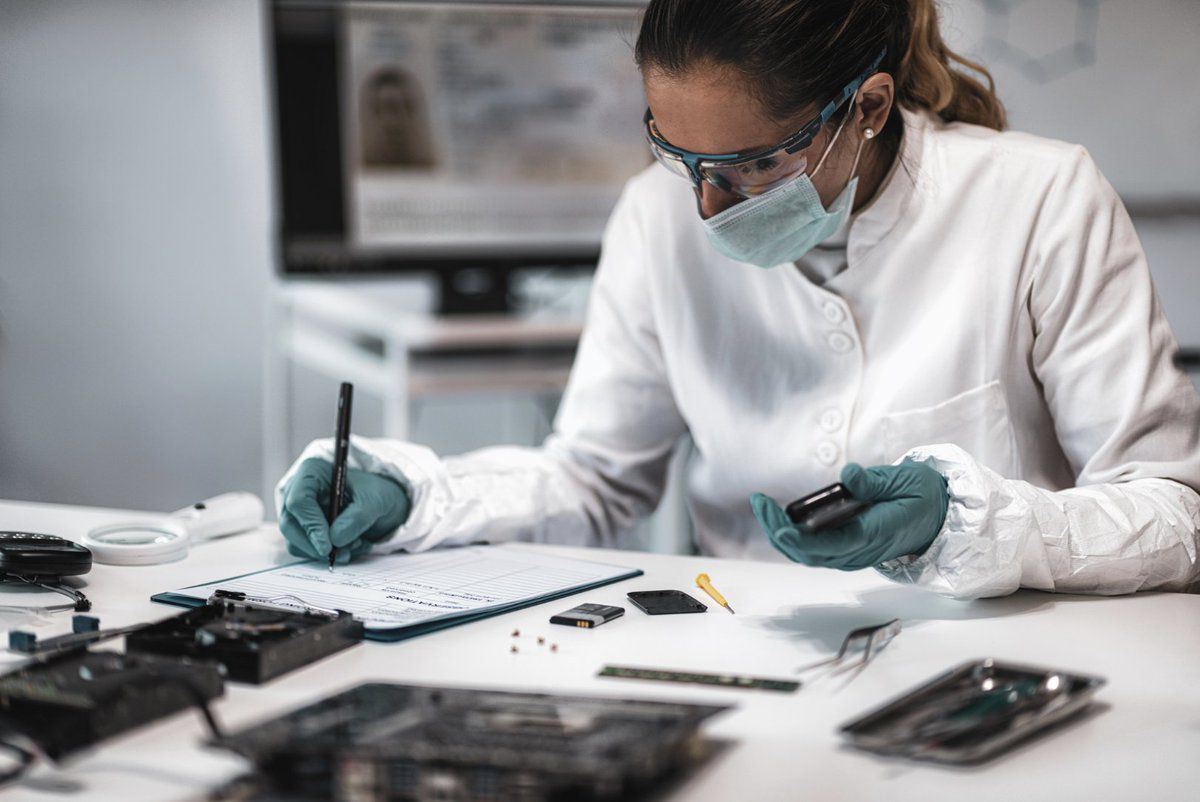
Brazil is leveraging advanced forensic technology to tackle the illicit gold trade in the Amazon, where illegal mining accounts for nearly half of the country’s gold production. One of the first high-profile cases utilizing this technology involved Harley Sandoval, an evangelical pastor and mining entrepreneur, who was arrested in July 2023 for illegally exporting 294 kilograms of gold to the United States, Dubai, and Italy.

While Sandoval claimed the gold originated from a legal mining site in Tocantins, authorities determined through satellite imagery and forensic analysis that it was sourced from wildcat mines in Pará, including some on Indigenous lands. This breakthrough stems from Brazil’s “Targeting Gold” program, which analyzes gold’s unique elemental “fingerprints” using radio-isotope scans and fluorescence spectroscopy.

Unveiling the DNA of Gold

Tracing gold has long been a challenge, as smelting erases visible origins. However, advancements in forensic science have changed that. By examining nano-sized impurities in gold, such as traces of lead or copper, scientists can pinpoint its source. Federal Police Director Humberto Freire described this process as analyzing the “DNA of Brazilian gold.”

The technology, developed in collaboration with university researchers, has already bolstered gold seizures by 38% since President Luiz Inácio Lula da Silva took office in 2023. Lula’s administration has also introduced stricter regulations, such as mandatory electronic tax receipts and enhanced monitoring of gold transactions.

Brazil exported 110 tons of gold in 2020, valued at $5 billion. However, tighter enforcement has reduced exports to 77.7 tons in 2023, highlighting efforts to curb illegal mining.

The Environmental and Social Toll of Illegal Mining

Illegal mining, spurred by high global gold prices, has devastating consequences for the Amazon rainforest and its Indigenous communities. Satellite images reveal a record 80,000 wildcat mining sites, where industrial-scale operations employ heavy machinery and river dredgers, leaving behind mercury-contaminated sludge.

In the Yanomami Indigenous territory, miners have caused widespread violence, disease, and malnutrition, leading to a humanitarian crisis. While Lula deployed troops to expel the miners, many returned after the military withdrew, prompting further environmental agency operations.

Criminal organizations play a significant role in this illegal trade, using clandestine airstrips and helicopters to transport equipment and gold. Their activities feed international markets, with Switzerland buying 70% of Brazil’s exported gold.

Global and Regional Impact

Brazil’s efforts to trace and regulate gold are gaining international attention. Neighboring countries like Colombia and French Guiana are considering adopting similar forensic methods, while European nations, including Switzerland and Britain, are exploring anti-counterfeiting measures.

Despite progress, challenges remain. A strong mining lobby in Brazil’s Congress is pushing for legislation to legalize wildcat mining, complicating enforcement efforts. Meanwhile, researchers aim to expand the national gold database, analyzing 30,000 samples collected by the Geological Service to map Brazil’s 24 gold-producing regions.

Geologist Maria Emilia Schutesky, a key player in this initiative, emphasized the significance of forensic evidence: “We seek a 100% ability to trace gold, but for the police, it’s enough to prove that the gold does not come from where the suspect claims it does.”

With forensic science uncovering the secrets of gold’s origins, Brazil is strengthening its fight against illegal mining, aiming to protect the Amazon and its people while setting a global standard for responsible gold trade.