Yazılar

Lithium’s Role in EU’s Landmark Trade Deal with South America

On December 6, after 25 years of negotiations, the European Union (EU) and five Mercosur countries—Brazil, Argentina, Uruguay, Paraguay, and Bolivia—reached a monumental trade agreement. This deal is poised to create one of the largest free trade zones globally, impacting over 700 million people and accounting for around 20% of global GDP.

The trade pact aims to foster increased trade and investment, reduce tariff and non-tariff barriers, and establish stable rules around sustainable development. However, not all EU members support the deal. Countries like France and Poland are concerned it might create unfair competition, particularly in agriculture.

Despite limited media attention, lithium—often called “white gold” due to its high value and key role in technology—emerged as a central element of the agreement. According to analysts at ING, lithium’s significance was perhaps understated, even though the EU is highly dependent on China for critical raw materials and Latin American countries, including Argentina, Brazil, and Bolivia, hold substantial lithium reserves. This strategic access is vital as Europe increasingly demands lithium for industries like electric vehicles and renewable energy.

Latin America is responsible for about 35% of global lithium supply, with Chile and Argentina being the largest contributors. The region also holds more than half of the world’s lithium reserves, underscoring its importance in the global shift to cleaner energy.

Strategic Implications

European Commission President Ursula von der Leyen emphasized that the trade deal could save EU companies €4 billion annually in export duties. Kaja Kallas, the EU’s foreign policy chief, highlighted that the agreement would ensure European access to critical raw materials, mitigating the risk of competitors filling the void.

The deal became feasible after shifts in global dynamics, such as rising protectionism and strategic considerations regarding China’s growing influence in Latin America. Federico Steinberg from the Center for Strategic and International Studies noted that the EU would gain enhanced access to public procurement markets, high-value services, and vital raw materials like lithium, while also reducing tariffs on agricultural products.

Germany’s industrial federation (BDI) praised the deal, viewing it as a crucial step toward securing raw materials for electromobility and renewable energy industries. In a time of increasing global trade fragmentation, the EU-Mercosur agreement stands as a strategic move to bolster free trade and access to critical resources.
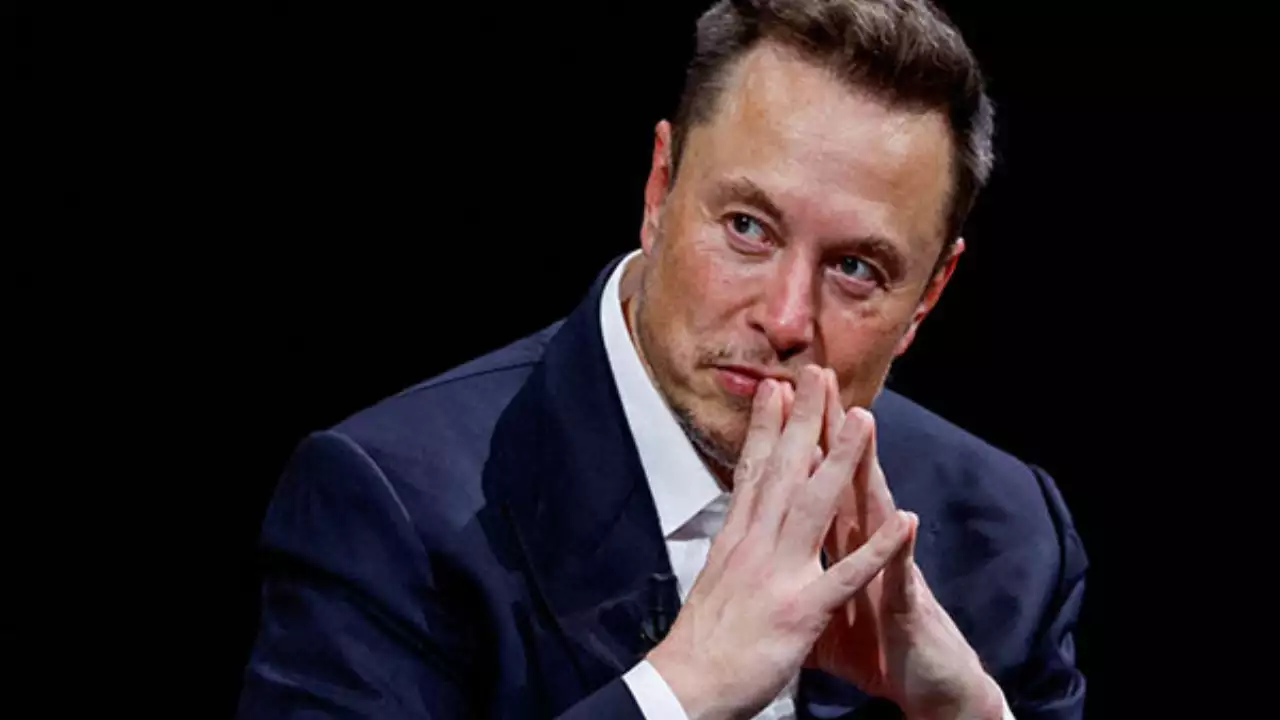
Elon Musk’s X Aims for Reentry in Brazil, Backtracks on Censorship Dispute

X Declares Access in Brazil “Crucial for a Thriving Democracy,” Announces Plans for Return Devamını Oku

Elon Musk’s X Set to Resume Operations in Brazil After Final Fine Payment

Elon Musk’s social media platform X is set to be restored in Brazil after it fulfills one last condition: the payment of an additional fine. Brazil’s top justice, Alexandre de Moraes, issued a ruling on Friday requiring the platform to pay 10 million reals (approximately $2 million) for two more days of non-compliance with previous court orders. Rachel de Oliveira, X’s legal representative in Brazil, is also liable for a separate fine of 300,000 reals.

The legal battle between X and the Brazilian government dates back to April, when de Moraes, a justice of the Supremo Tribunal Federal (STF), launched an investigation into Musk and X for allegedly obstructing justice. Musk had previously vowed to defy court orders to remove specific accounts, which he described as “censorship.” This defiance culminated in the platform being suspended at the end of August, a ruling upheld by a judicial panel on September 2.

Earlier this month, X informed Brazil’s supreme court that it was now compliant with its orders. Despite this, the additional fine was imposed for X’s delayed adherence. The ongoing conflict escalated after Musk criticized de Moraes publicly, calling him a “criminal” and urging the U.S. to cease foreign aid to Brazil.

In mid-August, Musk also closed X’s offices in Brazil, leaving the company without a legally required representative. Following this, the STF issued an ultimatum, threatening a nationwide ban on X and further fines if the platform did not comply with orders to remove certain accounts accused of harming federal agents.

The case became even more complex when the STF froze the business assets of Musk’s companies, including X and Starlink, as the court viewed them as interconnected entities. Musk responded by threatening reciprocal legal action against the Brazilian government unless his company’s assets were returned.

Justice de Moraes has been a strong advocate for federal regulation to combat hate speech and misinformation online, leading to pushback from tech companies and far-right officials, including former President Jair Bolsonaro and his supporters. Musk, who has criticized Brazil’s current President Luiz Inacio Lula da Silva, has maintained a long-standing relationship with Bolsonaro, who previously authorized SpaceX to operate in Brazil.

Though Musk portrays himself as a defender of free speech, his leadership at X has drawn criticism. Under his management, X has complied with government takedown requests in countries like Turkey and India, with compliance rates increasing significantly in 2023 compared to the previous year.

X now faces increased competition in Brazil, with Meta’s Threads and Bluesky gaining users during its suspension. Starlink, Musk’s satellite internet business, also faces competition from French-American firm eSpace, which was recently authorized to provide services in Brazil.

Lukas Darien, a law professor at Facex University Center in Brazil, commented on the implications of the case, noting that it sets a precedent for large technology companies. “This case demonstrates that laws will be enforced in Brazil, regardless of the size or influence of the business,” Darien said.

On Thursday, X Global Government Affairs released a statement affirming its commitment to free speech, stating: “X is committed to protecting free speech within the boundaries of the law… We believe that the people of Brazil having access to X is essential for a thriving democracy.”