Yazılar

Scientists Observe Brightest-Ever Flare from a Supermassive Black Hole

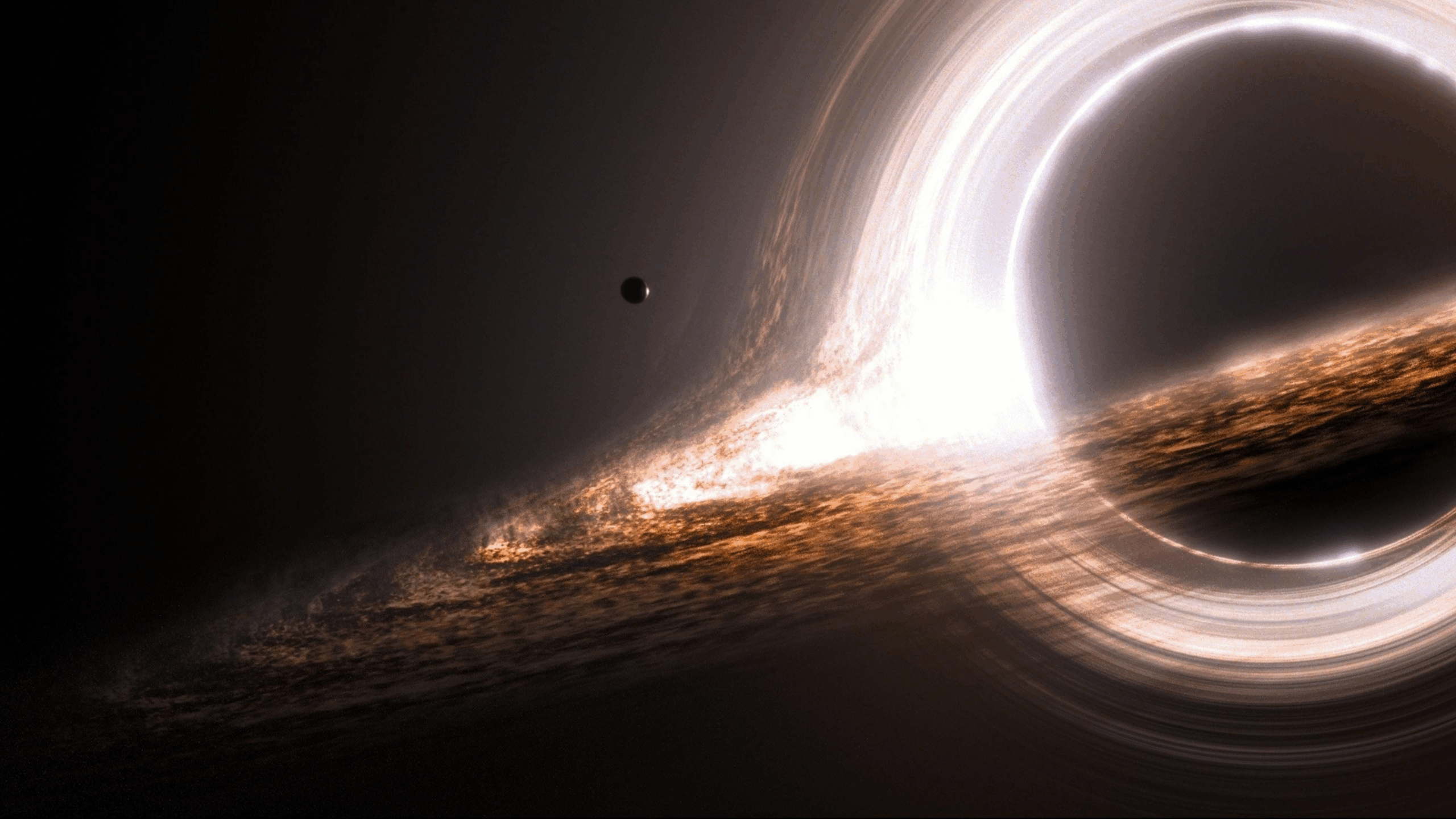
Astronomers have observed the brightest flare ever recorded from a supermassive black hole — an event so luminous it shone with the energy of 10 trillion suns.

The cosmic flash, discovered by the Palomar Observatory in California in 2018, reached its peak brightness over three months and has been gradually fading ever since. Researchers believe the phenomenon occurred when a massive star drifted too close to the black hole and was torn apart by its immense gravitational pull.

“At first, we didn’t really believe the numbers about the energy,” said Matthew Graham of the California Institute of Technology, which operates the observatory. The findings were published Tuesday in Nature Astronomy.

The flare originated from a supermassive black hole located about 10 billion light-years away — the most distant of its kind ever observed. Because the light took so long to reach Earth, the event offers a glimpse into a time when the universe was still young.

Supermassive black holes, which lurk at the centers of most galaxies, including the Milky Way, remain among the most mysterious cosmic objects. Scientists suspect they form early in galactic evolution, but the exact process is still unknown.

By studying flares like this one, researchers hope to better understand the extreme environments around these enormous gravitational wells and how they influence the growth and structure of galaxies.

Joseph Michail of the Harvard-Smithsonian Center for Astrophysics, who was not involved in the research, said the discovery allows scientists “to probe the interaction of supermassive black holes with their environments early in the universe.”

These distant cosmic fireworks, he added, illuminate not just the depths of space, but the history of the universe itself.
NASA’s Lunar Trailblazer Faces Power and Communication Challenges

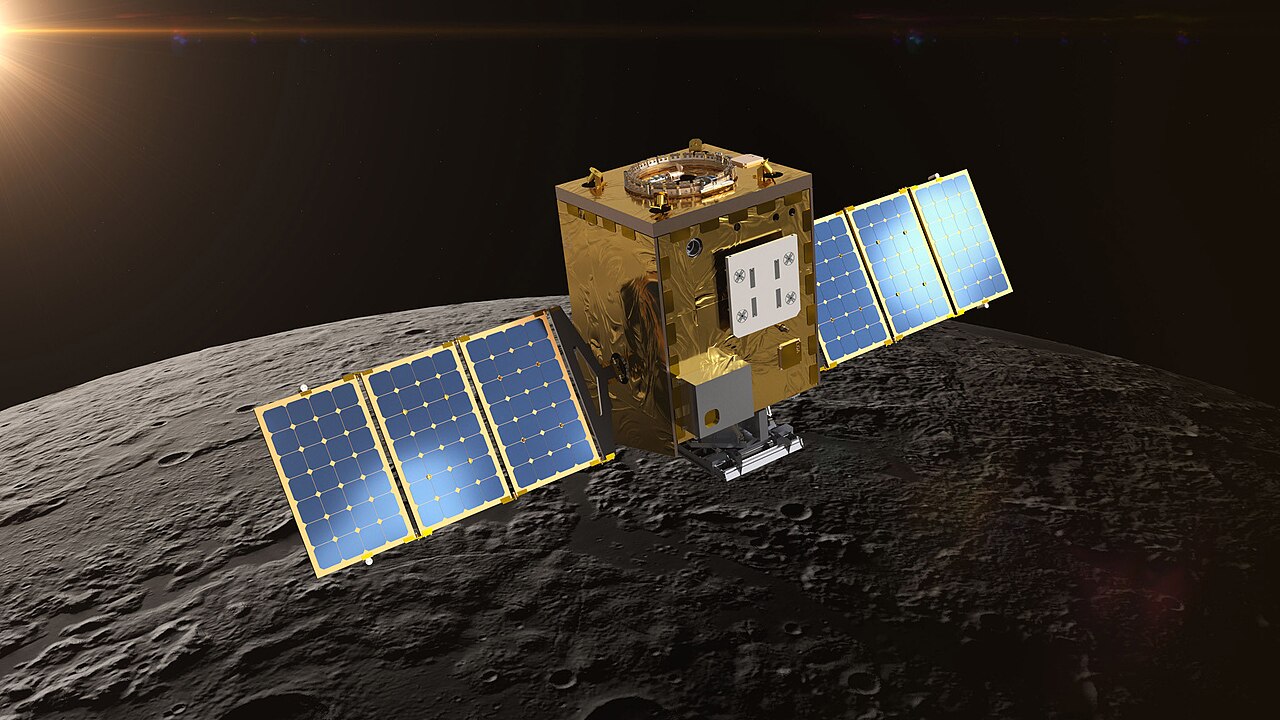
NASA’s Lunar Trailblazer, a small satellite designed to map water ice on the Moon, is facing significant technical challenges following its launch on February 26. The spacecraft, developed as part of a collaboration between NASA and Caltech, has lost contact with ground control and is experiencing power shortages. Prior to losing signal, engineering data indicated that the probe was slowly spinning in space, which has compromised its ability to generate enough power from its solar panels. Despite ongoing recovery efforts, no signal has been received in over a week.

NASA’s Jet Propulsion Laboratory (JPL) reported that ground-based radar data from March 2 suggests Lunar Trailblazer remains in a low-power state. Efforts to locate and reestablish communication with the spacecraft include utilizing NASA’s Deep Space Network and other observatories to track its position. The loss of contact has prevented the satellite from executing its post-launch trajectory correction maneuvers, which are crucial for reaching and maintaining a stable lunar orbit. Engineers are exploring alternative recovery strategies in hopes of salvaging the mission.

Lunar Trailblazer is part of NASA’s SIMPLEx (Small Innovative Missions for Planetary Exploration) program, which prioritizes cost-effective missions while accepting a higher level of operational risk. Built by Lockheed Martin, the 200-kilogram spacecraft was designed to detect and map lunar water ice by analyzing reflected light. Mission operations are managed by Caltech, with Lockheed Martin providing technical assistance. The first signs of trouble emerged shortly after deployment, when communication was initially lost on February 27. A brief signal was received later, but sustained contact has not been reestablished.

The ongoing difficulties with Lunar Trailblazer highlight the challenges of operating small satellites in deep space. While cost-effective, such missions can face significant risks, particularly when relying on limited power sources and autonomous systems. The situation remains uncertain, but recovery efforts continue in the hope of restoring communication and enabling the spacecraft to fulfill its mission objectives.