Yazılar

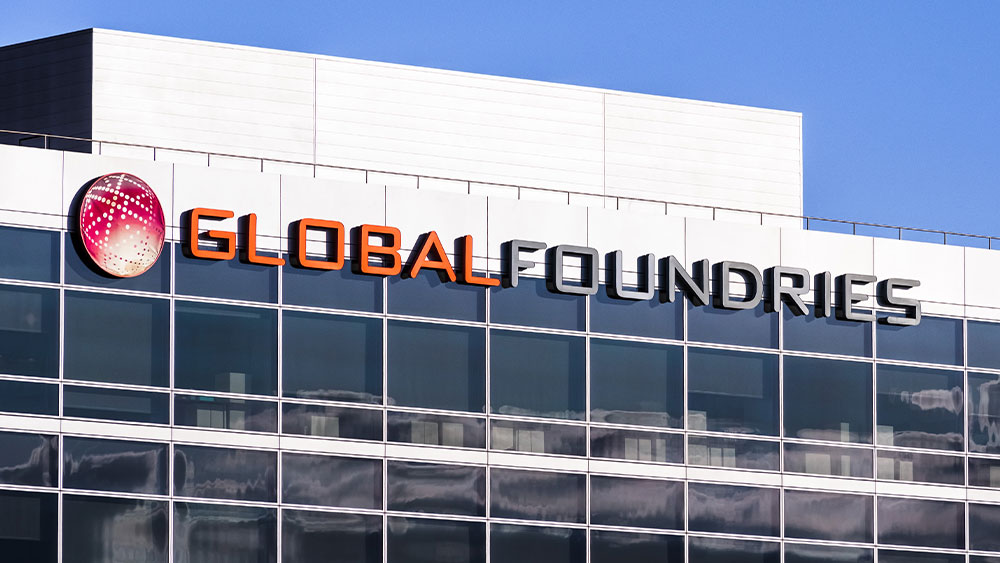
GlobalFoundries Q3 Outlook Disappoints Amid Weak Smartphone Demand

GlobalFoundries, the world’s third-largest contract chipmaker, projected third-quarter revenue and profit below Wall Street expectations as the recovery in consumer electronics demand, particularly smartphones, remains sluggish. Shares fell 6% in premarket trading, adding to a roughly 15% decline this year.

U.S. tariffs and broader economic uncertainty have dampened smartphone sales, with IDC data showing global growth slowing to just 1% in the June quarter. CEO Tim Breen, who took over in February, said the company is awaiting a “return to meaningful growth” in consumer-driven markets.

For Q3, GlobalFoundries expects net revenue of $1.68 billion (±$25 million), versus analysts’ estimates of $1.79 billion. Adjusted EPS is forecast at $0.38 (±$0.05), below the $0.41 consensus.

Despite the weak outlook, the company beat expectations in Q2 thanks to cost controls and strength in automotive and datacenter segments. Revenue for the quarter rose 3.7% to $1.69 billion, slightly above forecasts, while adjusted EPS reached $0.42 against the $0.35 estimate.

GlobalFoundries is expanding in automotive with a chipmaking deal with Continental and the July acquisition of chip architecture supplier MIPS to strengthen industrial and AI processor offerings. In June, it raised its total investment plans to $16 billion, including $1 billion more for capital spending and $3 billion for R&D in emerging chip technologies for EVs and AI servers.

Microsoft saves $500 million with AI amid job cuts, Bloomberg reports

Microsoft (MSFT.O) saved over $500 million last year in its call centers alone by leveraging artificial intelligence, Bloomberg News reported Wednesday. This comes as the tech giant announced plans to cut nearly 4% of its workforce to control costs amid heavy investments in AI infrastructure. In May, Microsoft disclosed layoffs affecting around 6,000 employees.

AI tools have boosted productivity across various departments, including sales, customer service, and software engineering. According to Microsoft’s Chief Commercial Officer Judson Althoff, AI is now managing interactions with smaller customers, a nascent effort already generating tens of millions of dollars in savings, Bloomberg reported citing an insider.

Althoff also revealed that AI contributed to 35% of the code for new products, speeding up launch times. Microsoft declined to comment on the report when contacted by Reuters.

This fiscal year, Microsoft has allocated $80 billion in capital spending, primarily to expand data centers to address capacity constraints for AI services. As big tech companies ramp up AI investments, they are simultaneously cutting costs in other areas to maintain profitability.

TSMC Reports Record Quarterly Profit, Expects Strong Growth in Early 2025

Taiwan Semiconductor Manufacturing Co (TSMC) has posted a record-breaking quarterly profit, reporting a 57% increase in net income to T$374.68 billion ($11.4 billion) for the quarter ending Dec. 31. This surge in profit aligns with the company’s bullish outlook for the future, as revenue jumped by 39% compared to the same period last year. TSMC has forecasted continued strong performance, with a revenue growth estimate of about 37% for the first quarter of 2025, projecting earnings between $25-25.8 billion. For the full year, TSMC expects revenue growth to be between 20% and 30%, driven largely by the demand for chips used in artificial intelligence (AI) processing.

While TSMC’s business is thriving, it faces challenges stemming from U.S. government restrictions on AI chip exports to China. The Biden administration recently announced further curbs on these exports, which could affect demand from clients. However, TSMC’s CEO, C.C. Wei, expressed confidence that the company could manage these restrictions, stating that they are currently applying for special permits for affected clients and anticipating approval. He also emphasized the company’s strong communication with both the current and incoming U.S. administrations.

TSMC’s growth is also supported by its ambitious expansion plans, including new fabs in the United States, Japan, Germany, and Taiwan. For 2025, TSMC has set its capital spending target between $38 billion and $42 billion, marking a potential 41% increase. The AI-driven boom has significantly boosted TSMC’s stock price, which surged 81% in 2024, outperforming the broader market’s 28.5% growth.