Behind the Scenes of Hamas’ Leadership Change
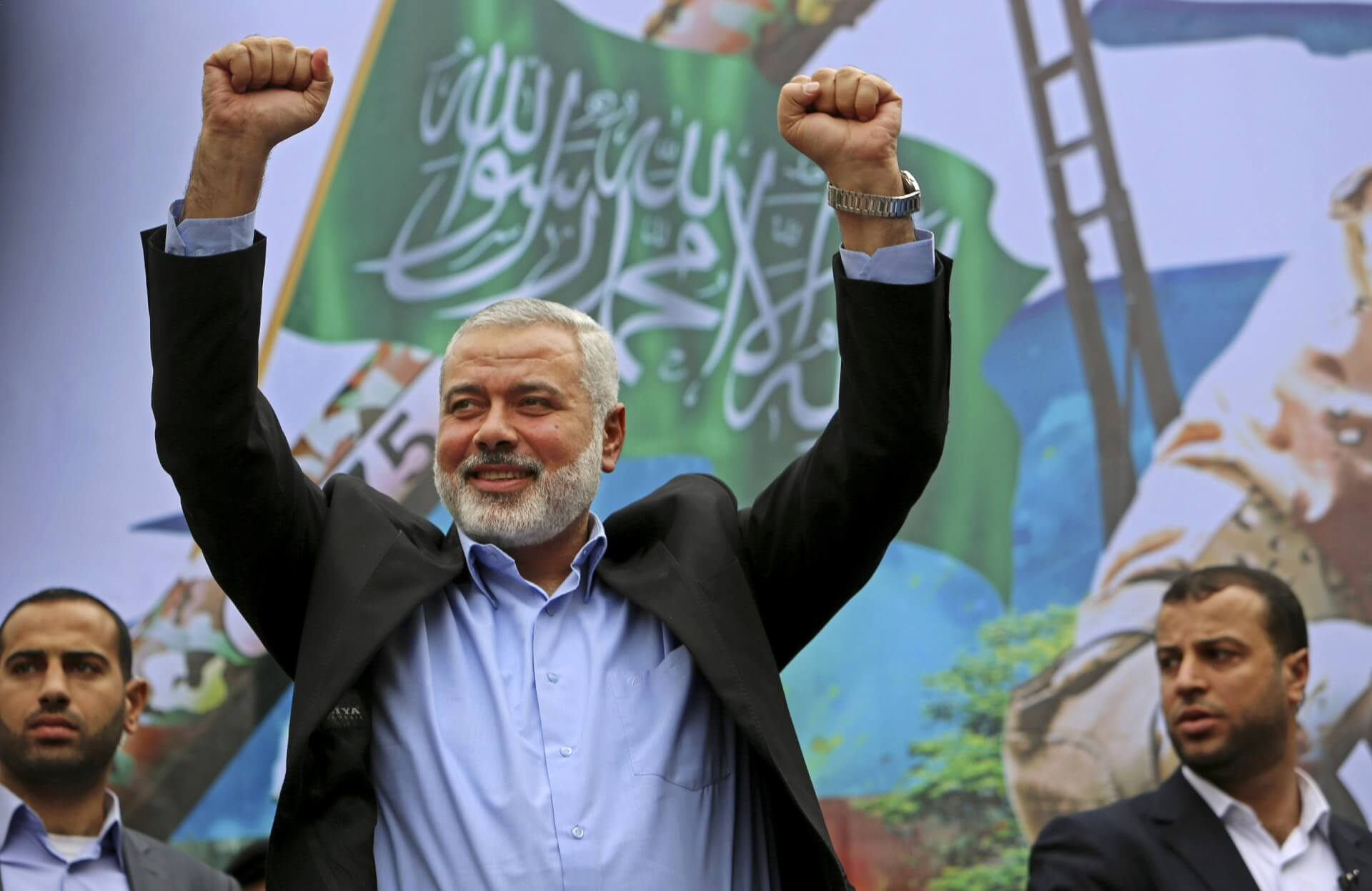
Last week, as global media spotlighted the event, Hamas leaders gathered in Qatar to elect a new political leader following a tumultuous period. Delegates from across the Middle East arrived, deeply impacted by the recent death of Ismail Haniyeh, who was killed in Tehran in late July. Haniyeh, a key figure in Hamas, had played a pivotal role in navigating the group’s strategies amid ongoing conflicts with Israel.
The funeral in Doha, attended by hundreds, marked both a solemn farewell and the dawn of a new phase for Hamas. The meeting, reminiscent of previous transitions such as after the assassinations of Sheikh Ahmed Yassin and Abdel Aziz al-Rantisi, underscored the gravity of the situation facing Hamas.
Since Hamas’ attack on southern Israel on October 7, which resulted in significant casualties and hostages, and Israel’s subsequent retaliation causing extensive devastation in Gaza, the organization has faced severe challenges. The loss of Haniyeh, reportedly killed by a missile or bomb, was a significant blow.
At the Doha ceremony, Abu Omar Hassan, the head of the Supreme Shura Council, was initially expected to serve as interim leader. However, after intense discussions, Hamas elected Yahya Sinwar as the new leader. Sinwar, who has led Hamas’ Gaza operations since 2017, is closely tied to the group’s militant wing and has a controversial reputation due to his involvement in the October 7 attacks.
His appointment, despite concerns from some within Hamas, reflects the group’s need to assert strength and defiance amid ongoing conflict. Sinwar’s choice, driven by his prominence following the attacks, signals a shift towards a more radical stance, aligning with the “axis of resistance” supported by Iran.
The appointment comes as ceasefire negotiations continue, with Qatar and Egypt working on a plan potentially involving concessions to Iran to halt further military responses. Despite these efforts, conflict continues, with Sinwar poised to lead Hamas through a critical and volatile period.