Yazılar

Brazil Orders Suspension of Elon Musk’s X Platform Amid Legal Feud

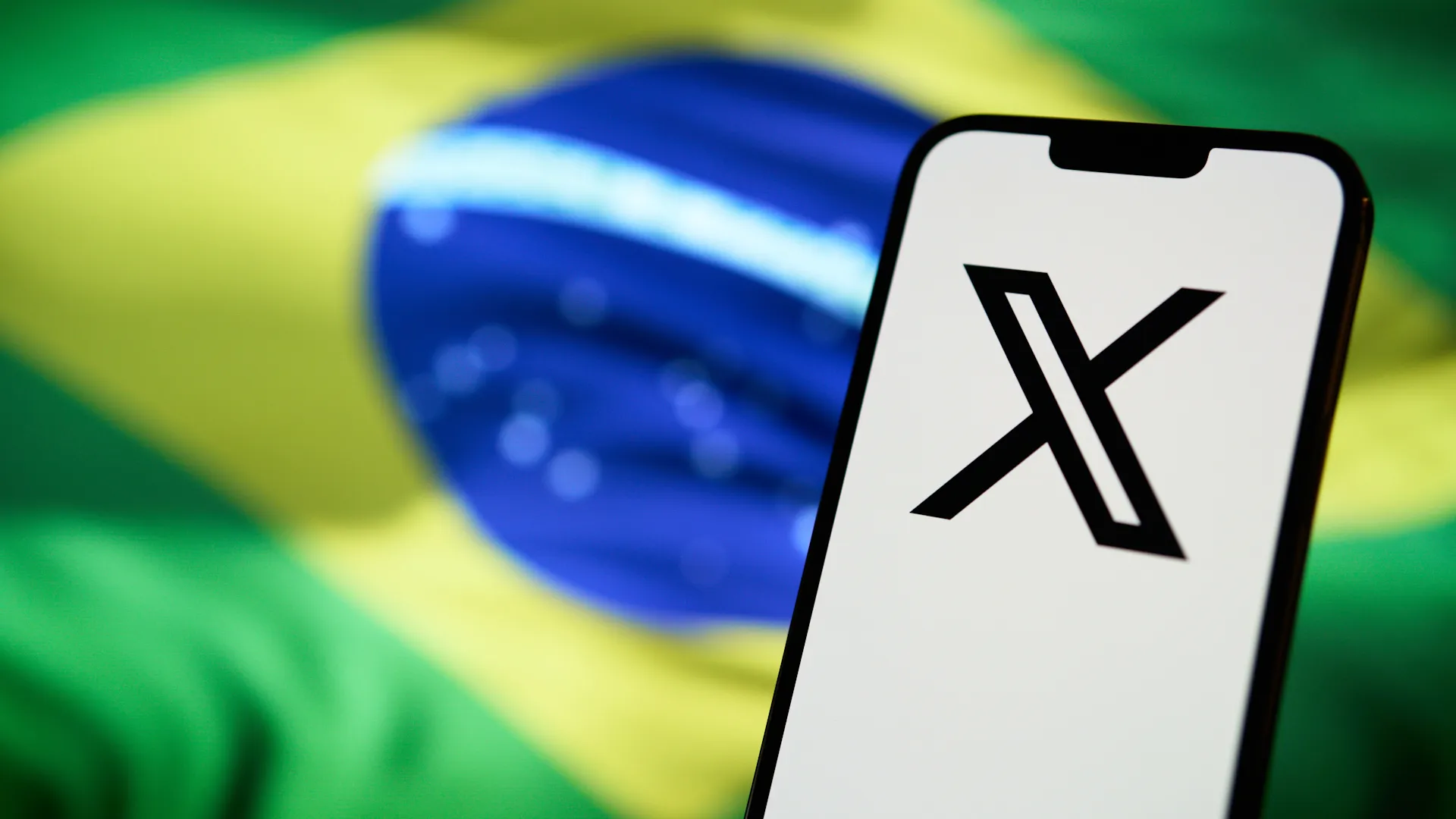
Brazil’s telecommunications regulator announced on Friday that it is moving to suspend access to Elon Musk’s X platform, formerly known as Twitter, following a court order from Supreme Court Justice Alexandre de Moraes. This suspension was triggered after X missed a deadline to appoint a legal representative in Brazil, as required by law.

Musk has fiercely opposed the court’s ruling, accusing Justice Moraes of attempting to enforce unjustified censorship. Moraes, however, has maintained that regulation is necessary to curb hate speech on social media platforms. The judge’s decision is the latest development in a prolonged dispute with Musk, which has now escalated to the point of a potential shutdown of X in one of its largest markets.

Despite the court order, X remained accessible in Brazil late on Friday. Some users, however, reported that their access had already been blocked by local telecommunications carriers, which planned to fully enforce the suspension by midnight.

In addition to the suspension, the court also froze the bank accounts of Musk’s satellite internet provider, Starlink, in Brazil. The judge has ordered X to pay more than $3 million in fines and to comply with other legal mandates before service can be restored in the country. Telecommunications regulator Anatel has been tasked with implementing the suspension, which will require telecommunication companies to block X’s traffic and prevent users from bypassing the ban using virtual private networks (VPNs). Moraes warned that those who continued to access X via VPNs could face daily fines of up to 50,000 reais (around $9,000).

Picture background

While Apple and Google were initially ordered to remove X from their app stores and implement anti-VPN measures, Justice Moraes later reversed this part of the order. Both companies declined to comment.

Brazil’s Supreme Court judges wield considerable power to make unilateral decisions, and in this case, Moraes’ stance has been supported by a majority of the 11-member court. The roots of the conflict trace back to a previous Moraes order demanding X block accounts accused of spreading misinformation and hate speech, which Musk criticized as censorship. Although Musk closed X’s offices in Brazil in response, he has continued to make the platform available to users in the country.

Musk, who also owns 40% of SpaceX and leads electric vehicle giant Tesla, derided Brazil’s President Luiz Inacio Lula da Silva as Moraes’ “lapdog,” further heightening tensions. President Lula responded firmly, stating that all companies, regardless of their wealth or influence, must comply with Brazilian law.

The situation remains tense as Brazil pushes for compliance from Musk’s ventures, with no signs of backing down from the court or government.
Hong Kong Journalists Convicted of Sedition, Sparking Concerns Over Press Freedom Amid Beijing’s Crackdown

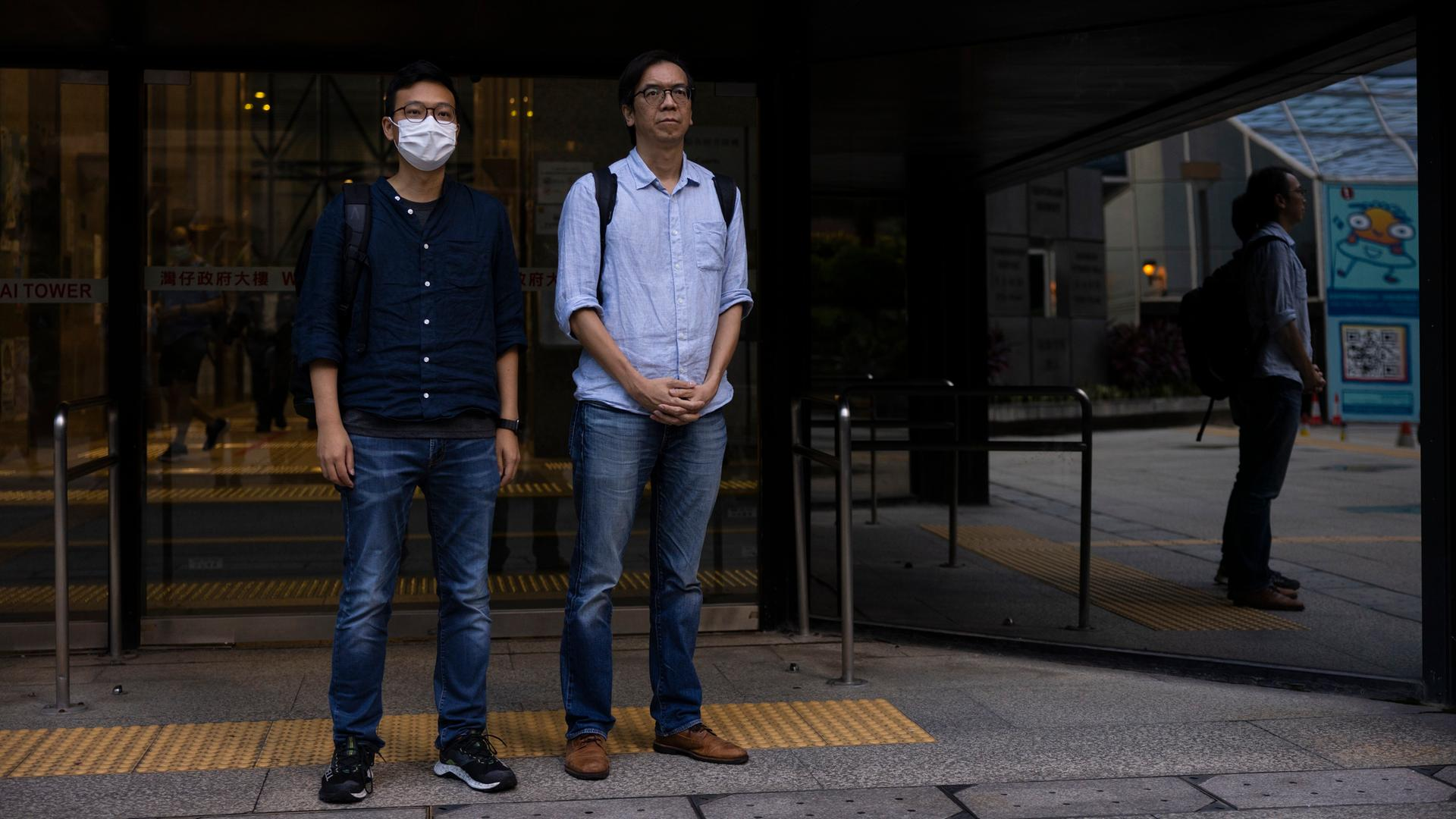
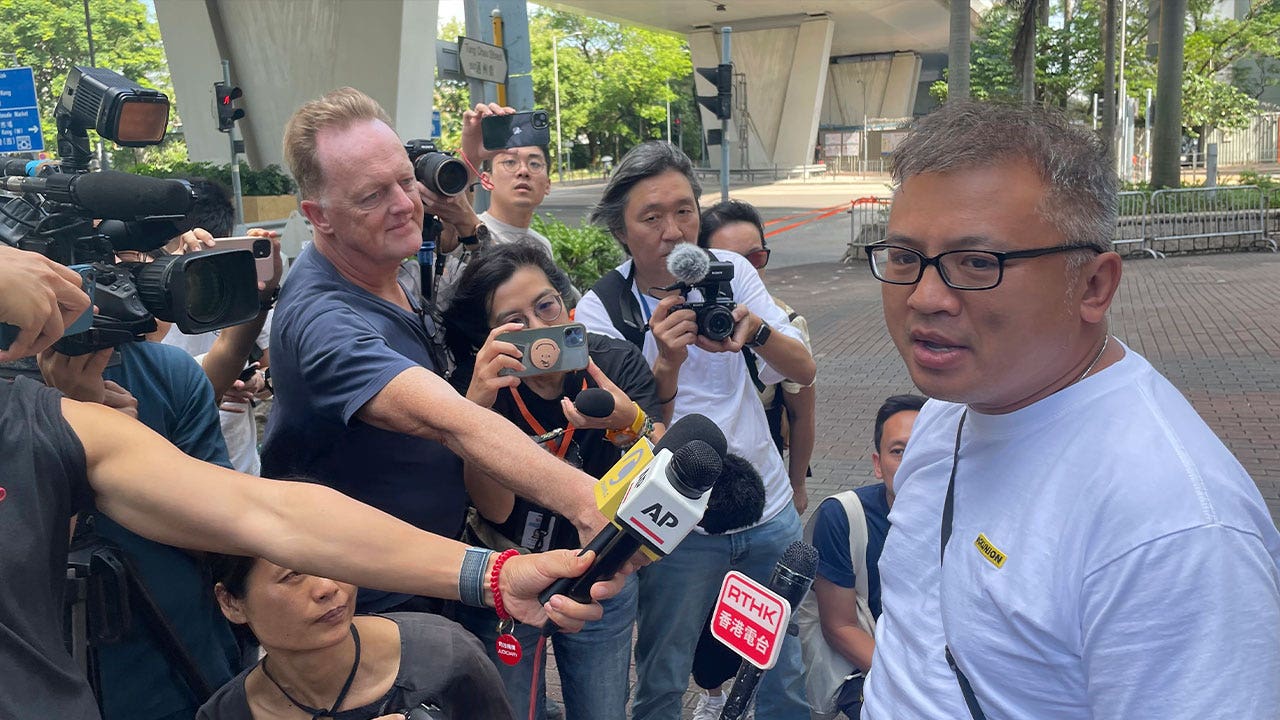
Two former editors of the now-defunct pro-democracy publication Stand News in Hong Kong were found guilty of sedition by a local court, a verdict that has deepened global concerns over press freedom in the semi-autonomous city. Chung Pui-kuen, former editor-in-chief, and Patrick Lam Shiu-tung, former acting editor, were convicted under a colonial-era law that has resurfaced as a powerful tool to suppress dissent, following the 2019 anti-government protests. Critics argue the ruling is a stark reminder of the erosion of press liberties under Beijing’s expanding influence over Hong Kong.

The sedition charges against Chung and Lam arose from the publication of 17 articles between July 2020 and December 2021, which prosecutors claimed incited hatred against both the Hong Kong government and China’s central authorities. The articles included interviews with former opposition lawmakers and pro-democracy activists, many of whom are currently imprisoned or in self-imposed exile. Despite the defense’s argument that the publication maintained balanced journalism by featuring a variety of voices, the court ruled that 11 of the 17 articles were seditious.

Judge Kwok Wai-kin asserted that the articles in question were published during a highly charged political environment and had the intent to incite public hatred and illegal actions against the government. The court emphasized that both Chung and Lam bore responsibility for providing Stand News as a platform to stir unrest. The sentencing for the two journalists will be announced at a later date, with a maximum penalty of two years in prison.

The case marks the first time journalists have been prosecuted for sedition in Hong Kong since its return to Chinese rule in 1997, underscoring the city’s stark transformation from a once-thriving hub of press freedom to a place where critical voices are systematically silenced. Hong Kong’s media landscape has shrunk dramatically since the introduction of the national security law in 2020, with several independent outlets, including Apple Daily and Stand News, being forced to shut down.

Picture background

While authorities in both Hong Kong and Beijing argue that the national security law has restored order following the unrest of 2019, critics see the legislation as a sweeping measure to quash any form of political dissent. The law’s broad reach has left many journalists and activists either jailed or fleeing the city. The recent conviction also coincides with the ongoing trial of media tycoon Jimmy Lai, who faces charges of colluding with foreign forces and sedition, potentially facing life imprisonment if found guilty.

Further compounding fears of censorship, Hong Kong’s government recently passed a second national security law known as Article 23, which increased penalties for sedition-related offences, extending potential prison sentences to 10 years. Media workers have expressed growing concern over these developments, as highlighted in a recent report by the Hong Kong Journalists Association (HKJA). The HKJA’s latest annual survey revealed that press freedom in the city has reached its lowest point since the organization began tracking it in 2013, with journalists increasingly worried about potential repercussions for their work.

Hong Kong leader John Lee, a former police chief, has dismissed concerns about the decline in press freedom, insisting that the city remains a vibrant media hub. However, international watchdogs like Reporters Without Borders (RSF) have offered a grimmer assessment, ranking Hong Kong 135th out of 180 countries in its 2023 World Press Freedom Index—an alarming drop from 18th place in 2002. The steep decline reflects the growing pressure on journalists in the city as Beijing tightens its grip, bringing Hong Kong’s once vaunted media freedoms closer in line with mainland China’s highly controlled press environment, which ranks near the bottom of RSF’s index at 179th.

As the court proceedings continue, the convictions of Chung and Lam serve as a chilling message to those who dare to question or criticize authorities in Hong Kong. The international community will be closely watching how this case, along with others like that of Jimmy Lai, unfolds, as it reflects the ongoing struggle for freedom of expression in the face of authoritarian rule.

Museum’s Use of “Unalived” to Describe Kurt Cobain’s Death Sparks Controversy, Reflects Shift in Language

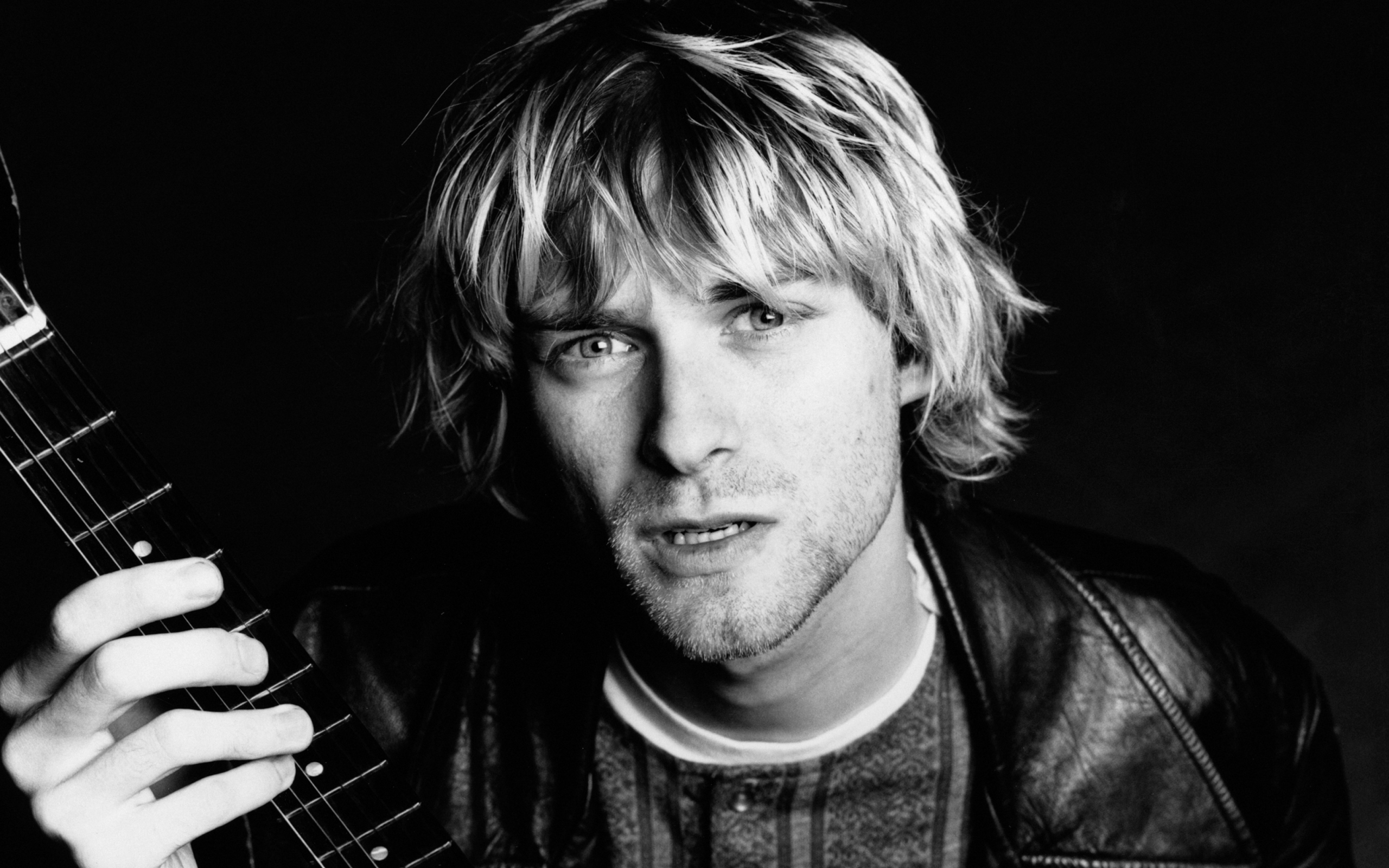
The recent controversy surrounding a museum’s use of the term “unalived” to describe Kurt Cobain’s death highlights evolving attitudes toward discussing sensitive topics. The placard, which appeared in an exhibit at the Museum of Pop Culture, referred to the Nirvana frontman’s death by suicide as him having “unalived himself at 27.” This term, popularized on TikTok as a euphemism for death, was used to bypass content moderation on the platform. Its appearance in a museum setting drew criticism from visitors who felt it disrespected Cobain’s legacy and avoided the direct discussion of suicide. Critics likened the term’s use to Newspeak from George Orwell’s “1984,” suggesting it sanitized the harsh reality of Cobain’s death.

Linguists and experts suggest that “unalived” reflects a broader trend of adapting language to approach difficult subjects with increased sensitivity. While originally a product of TikTok’s censorship workarounds, the term has gained traction in offline discussions, particularly among younger generations. The shift from digital slang to formal usage underscores a generational change in how suicide and mental health are addressed. Though the museum reportedly updated the placard to a more conventional term following the backlash, “unalived” remains a fixture in discussions around mental health, illustrating how new euphemisms can persist in the lexicon despite initial controversy.