Yazılar

Intel Appoints Lip-Bu Tan as New CEO Amid Transition

Intel has appointed Lip-Bu Tan, a seasoned chip industry veteran, as its new CEO, effective March 18. The move marks a significant leadership change just three months after the company ousted its previous CEO, Pat Gelsinger, whose efforts to revitalize the company had faltered and eroded investor confidence.

Tan, who served on Intel’s board prior to his appointment, brings extensive experience in both chip design and technology investing, making him a strong contender for the role. His appointment follows discussions with Intel’s board in December, as previously reported by Reuters.

In a letter to Intel employees, Tan expressed his commitment to restoring Intel’s position as a “world-class products company” and emphasized the goal of establishing Intel as a “world-class foundry” to better serve its customers. His optimistic message signaled confidence in the company’s turnaround strategy.

Intel’s stock surged 12% in after-hours trading on the announcement, reflecting analyst optimism about the leadership change. The company’s stock had suffered a 60% drop in 2024, reflecting its struggles amid a challenging industry landscape.

The company is navigating a historic transition, including significant investment to become a contract manufacturer of chips for other companies. Despite challenges in capitalizing on the boom in advanced AI chips—which has boosted the fortunes of rivals like Nvidia—Intel is actively working to recover its market position.

Amid Intel’s ongoing struggles, rumors have circulated that competitors, including Broadcom and TSMC, were exploring options to acquire or manage parts of Intel’s business. Most notably, TSMC was reportedly considering a joint venture to operate Intel’s factories, after the Trump administration encouraged TSMC to help revitalize the company.

Jack E. Gold, an industry analyst, praised Tan’s appointment, noting his deep understanding of both chip product design and manufacturing. Analysts anticipate that under Tan’s leadership, Intel will focus on stabilizing its operations, although any transformation will likely take years.

Tan, 65, originally from Malaysia and raised in Singapore, holds degrees in physics, nuclear engineering, and business administration. He previously served as CEO of Cadence Design Systems, a key supplier for Intel, from 2009 to 2021, during which time the company’s revenue and stock performance saw significant growth.

Tan had stepped down from Intel’s board in 2023 over disagreements related to the company’s culture and strategy, particularly its approach to contract manufacturing and workforce size. However, he will rejoin the board in his new role as CEO.

Industry experts believe that Tan’s appointment brings much-needed stability to Intel, which has been under pressure in recent years. Tan is expected to oversee the continuation of Intel’s foundry business while managing the company’s transformation efforts.

Match Group Appoints Spencer Rascoff as CEO Amid Slowing User Engagement and Dour Revenue Forecast

Match Group announced Tuesday that Spencer Rascoff, co-founder and former CEO of Zillow Group, has been appointed as its new CEO as the company looks to reverse slowing user engagement across its dating platforms, including Tinder. This move comes as Match Group faces challenges in attracting new users amid economic uncertainty and increased competition from rival Bumble, as well as social media platforms.

Shares of Match Group dropped by 9% in after-hours trading following the company’s forecast of annual revenue below Wall Street estimates. The forecast for 2025 revenue is expected to range between $3.38 billion and $3.50 billion, with the midpoint falling short of analysts’ expectations. The company also projected first-quarter revenue between $820 million and $830 million, lower than the expected $853.1 million.

The online dating app market has been seeing a decline in demand and user engagement, which Match Group attributes to factors such as economic instability and a lack of new features. In response, the company has introduced initiatives such as stronger verification systems and AI-driven dating features for Tinder. However, its total paying user base declined by 4% to 14.6 million in the quarter ending December 31, marking its ninth consecutive quarter of user losses.

Rascoff’s appointment signals Match Group’s focus on AI-driven business transformation, with expectations of substantial growth in 2026. Chandler Willison, an M Science research analyst, highlighted that Rascoff’s leadership could be integral to the company’s efforts to revitalize its portfolio and drive long-term growth. Rascoff joined Match’s board last year after discussions with activist investor Elliott Investment Management to improve performance. He succeeds Bernard Kim, who is stepping down as CEO.

Despite these efforts, Match’s forecast remains subdued, and analysts believe that AI initiatives will take time to contribute meaningfully to the company’s growth.


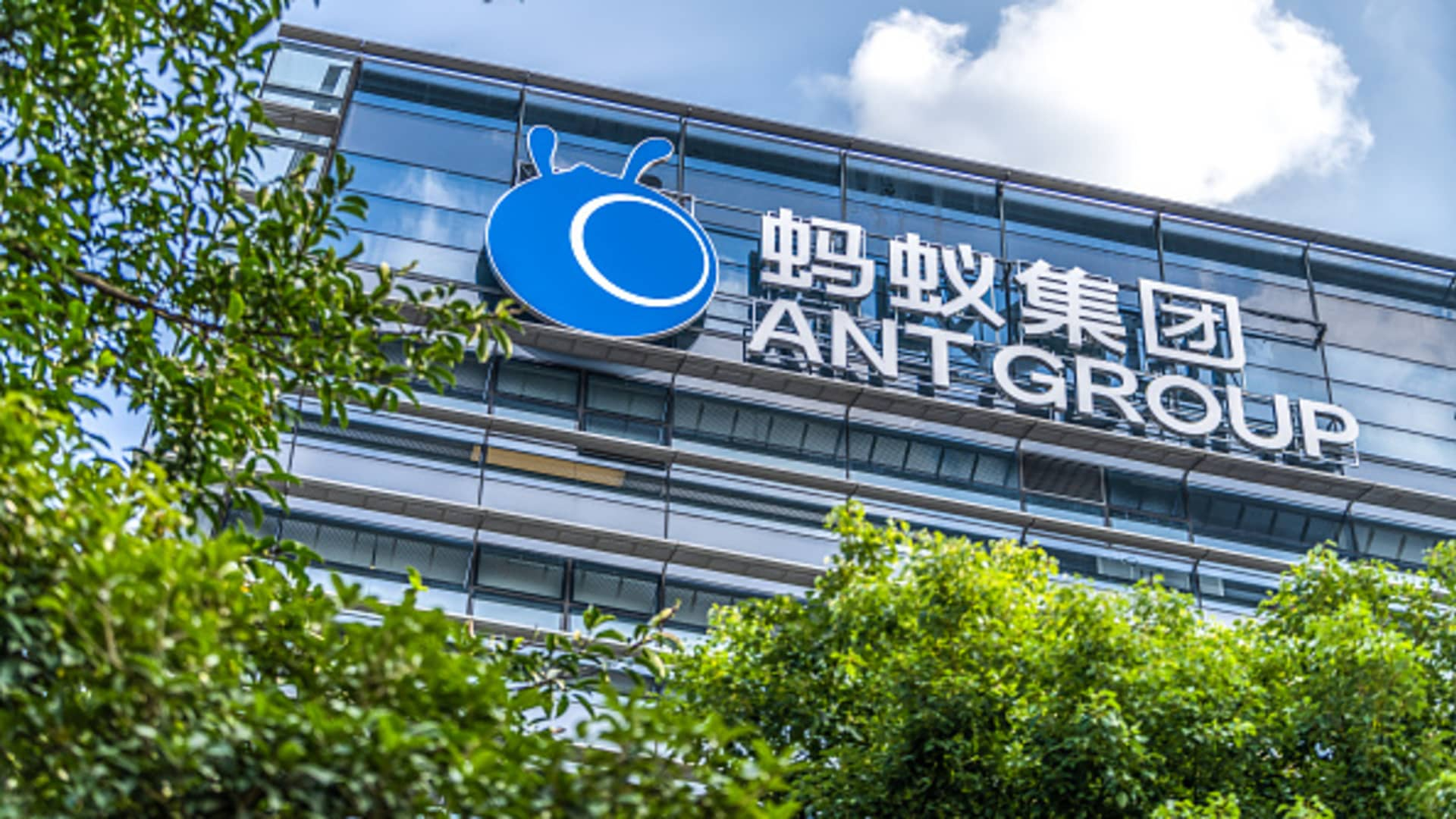
Ant Group Appoints New CEO as Jack Ma Discusses AI in Rare Appearance

Ant Group has announced Cyril Han, the company’s president and finance chief, will succeed Eric Jing as CEO starting March 1, 2025. Jing will remain as chairman, and Han will report directly to him. This change in leadership comes as Ant Group, the parent company of the popular Alipay payments app, seeks to rejuvenate its growth following regulatory challenges in China’s tech sector.

The announcement was made during Ant Group’s twentieth anniversary celebrations, which also featured a rare public speech by founder Jack Ma. Ma, whose businesses have faced significant scrutiny from Chinese authorities, reflected on the internet era’s impact on his generation. He also expressed confidence that the artificial intelligence revolution over the next two decades would far surpass expectations, underscoring the transformative potential of AI.

Ma’s appearance is notable, given the regulatory clampdown on China’s tech sector, which halted Ant Group’s much-anticipated IPO in late 2020. Since then, Ant has restructured its operations to comply with government regulations. This regulatory tightening has affected major Chinese tech companies, including Alibaba, the e-commerce giant Ma co-founded.

Despite these challenges, recent signs suggest that Chinese regulators are loosening restrictions as the nation’s economic growth slows, offering hope for a potential recovery in the sector.