Snapchat’s New AI Chatbot Sparks Concerns Over Privacy and Safety, Particularly Among Teens and Parents
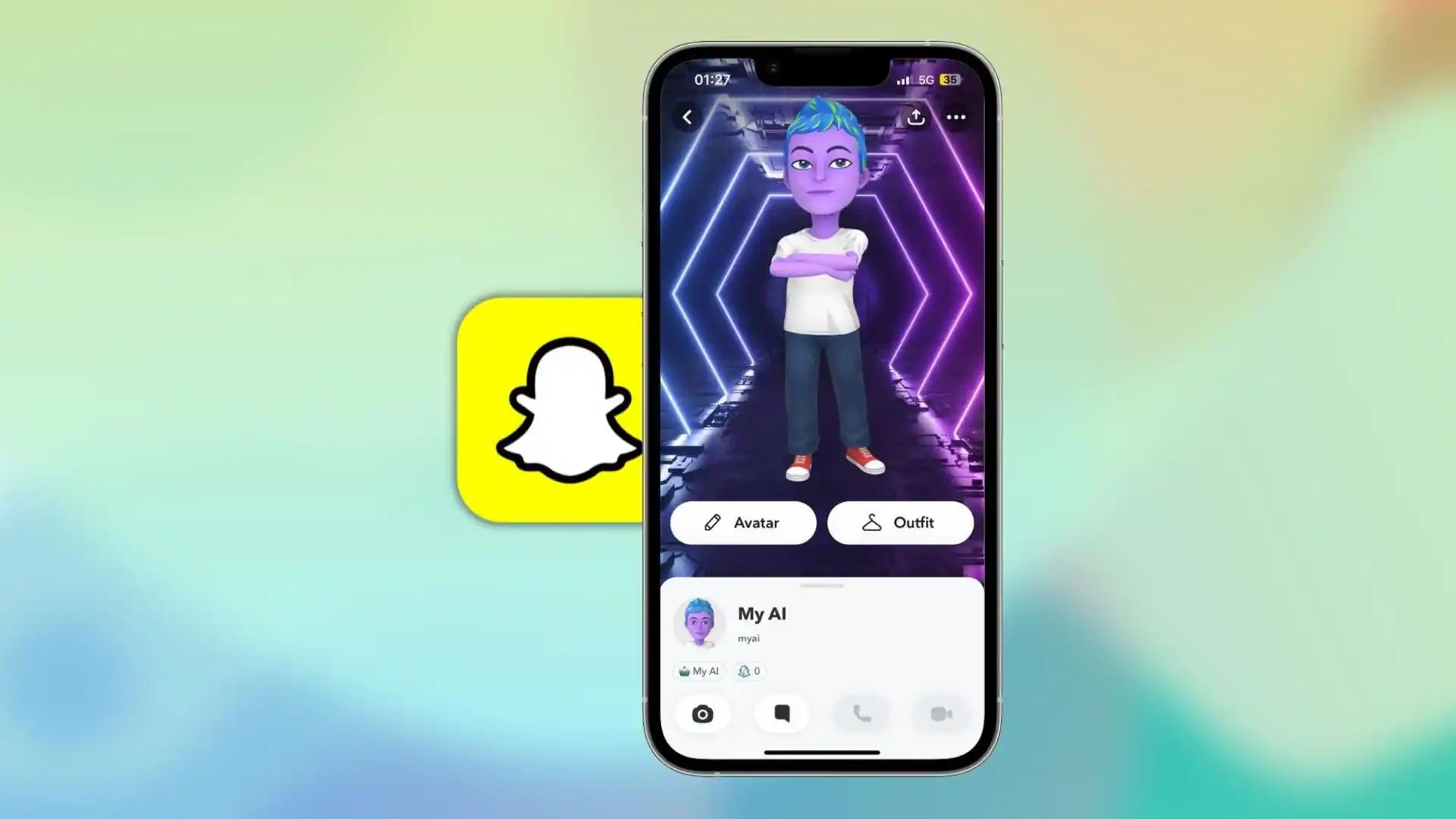
Snapchat’s recent introduction of its My AI chatbot has raised alarms among parents and some users, particularly due to the feature’s interaction with younger audiences. Launched last week, My AI is powered by ChatGPT and offers personalized recommendations, answers to questions, and the ability to converse. However, Snapchat’s version differs significantly from ChatGPT by allowing users to customize the chatbot’s appearance and integrate it into their existing conversations with friends, making it feel more personal and potentially blurring the line between human interaction and AI.
Lyndsi Lee, a mother from East Prairie, Missouri, expressed concerns about how her 13-year-old daughter might interact with My AI. “It’s a temporary solution until I know more about it and can set some healthy boundaries,” Lee said, highlighting the difficulty of teaching children how to distinguish between real and artificial interactions, especially when the AI chatbot looks and feels like a human.
Beyond parental concerns, Snapchat users have voiced their displeasure with the chatbot. Many criticize privacy issues, “creepy” conversations, and the inability to remove the feature from their chat feed unless they pay for the premium Snapchat+ subscription. Some users have reported disturbing interactions with the bot, such as misleading responses and unacknowledged contributions in collaborative activities, like songwriting.
In a letter to Snapchat’s executives, U.S. Senator Michael Bennet raised issues about the chatbot’s role in guiding younger users, particularly its potential to suggest deceptive behavior. This has raised fears about how easily vulnerable teens could be manipulated or misled by AI-powered tools on social media platforms.
While some users have found value in the chatbot, using it for homework help and personal advice, the mixed reactions point to the challenges and risks involved in integrating generative AI into widely used platforms like Snapchat, which is especially popular among teenagers.
Experts are also concerned about the psychological effects of AI on teenagers. Clinical psychologist Alexandra Hamlet warns that chatbots could reinforce negative emotional states, as teens might turn to AI for advice when in distress, further exacerbating their mental health challenges.
As AI tools like Snapchat’s My AI become increasingly integrated into apps popular with young people, experts advise parents to engage in open conversations with their children about how to responsibly use these technologies. Sinead Bovell, founder of WAYE, a startup focused on preparing youth for the future, emphasized that “chatbots are not your friend” and urged parents to educate their children about the risks of sharing personal information with AI.
The rapid advancement of AI technology calls for clearer regulations to ensure user safety and privacy, particularly when young users are involved.