Yazılar

Intel CEO Lip-Bu Tan Takes Charge of AI Strategy After CTO Departs for OpenAI

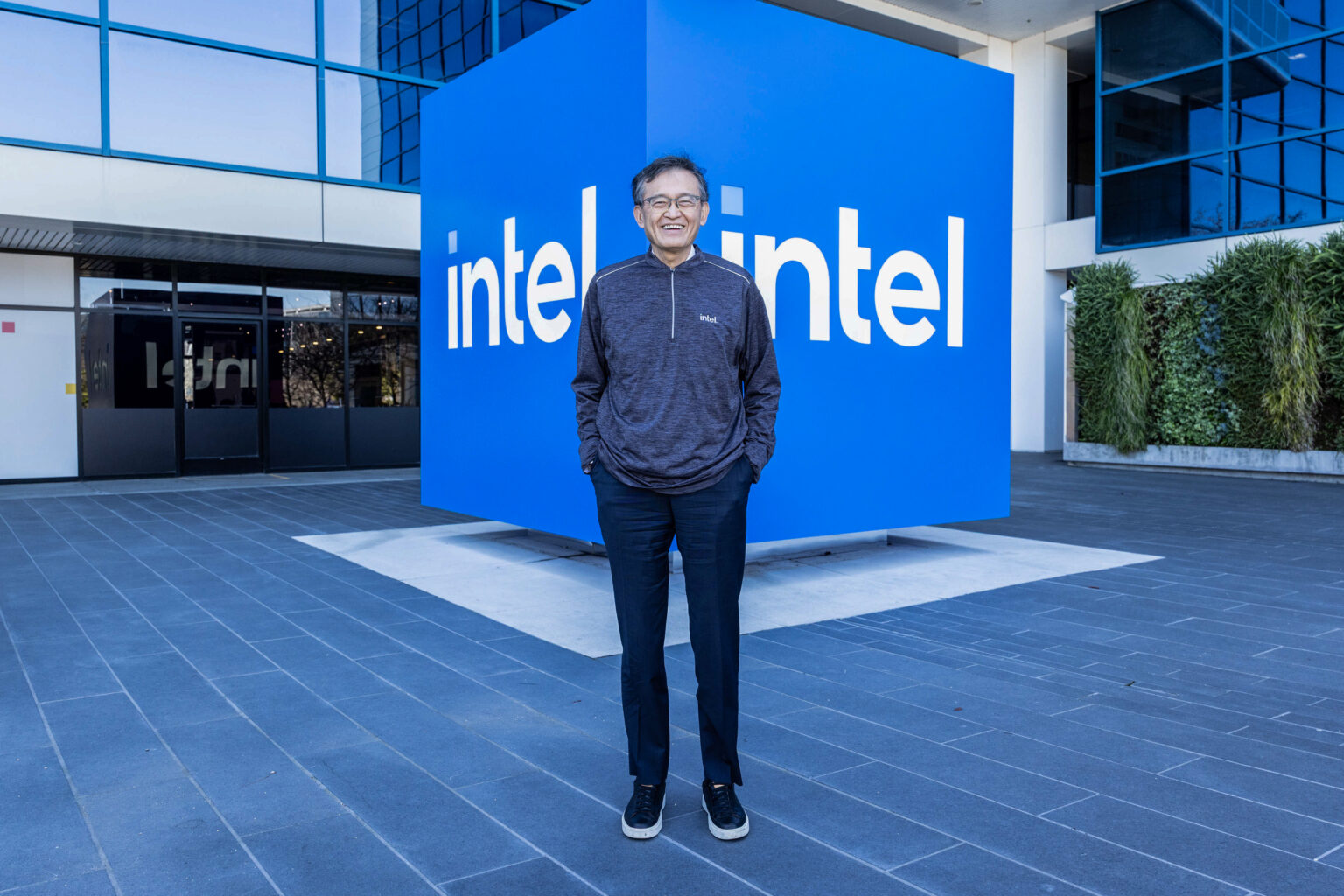
Intel announced that its CEO Lip-Bu Tan will directly oversee the company’s artificial intelligence strategy, following the departure of Chief Technology Officer Sachin Katti to OpenAI, the creator of ChatGPT.

Katti, who had led Intel’s AI division since a major management reshuffle in January, revealed on X (formerly Twitter) that he joined OpenAI, where he will focus on building the company’s compute infrastructure to support artificial general intelligence (AGI) research.

Intel confirmed the move in a statement, saying: “We thank Sachin for his contributions and wish him all the best. Lip-Bu will lead the AI and Advanced Technologies Groups, working closely with the team. AI remains one of Intel’s highest strategic priorities.”

The leadership change comes at a crucial time for Intel, which is working to reposition itself in the AI chip race dominated by Nvidia and TSMC. While Intel’s CPUs are still widely used in AI server systems, the company has struggled to deliver a competitive data center AI chip to match Nvidia’s specialized silicon.

Katti joined Intel four years ago, initially heading its networking group before being promoted by then-CEO Pat Gelsinger. Under Tan, who took over in March 2025, Katti became both Chief Technology Officer and Chief AI Officer in April, part of a broader restructuring to streamline decision-making.

Tan, a seasoned industry leader known for bold turnarounds, has been reshaping Intel’s leadership. He recently expanded Naga Chandrasekaran’s responsibilities to strengthen Intel’s foundry operations and hired Kevork Kechichian, formerly of Arm, to head its data center division.

Intel continues to emphasize AI as central to its recovery strategy amid fierce global competition.


SoftBank Profit More Than Doubles to $16.6 Billion on OpenAI Valuation Gains

SoftBank Group reported a stunning surge in quarterly profits, more than doubling its net income to 2.5 trillion yen ($16.6 billion) in the July–September period, thanks largely to massive valuation gains from its stake in OpenAI, the creator of ChatGPT.

The figure far exceeded analyst expectations — three LSEG analysts had forecast an average profit of just 207 billion yen — and also dwarfed the 1.18 trillion yen profit recorded during the same period last year.

SoftBank’s Vision Fund unit, which manages the company’s global technology investments, posted a 3.5 trillion yen investment gain, with 2.16 trillion yen attributed directly to its OpenAI holdings.

The result comes amid a surge in AI-related stocks and infrastructure spending, pushing SoftBank’s shares to record highs. The company has emerged as one of the biggest beneficiaries of the AI investment boom, fueled by global demand for computing power and data centers.

In March, SoftBank led a $40 billion funding round valuing OpenAI at $300 billion. By October, it joined a group of investors purchasing $6.6 billion worth of OpenAI shares from employees at a $500 billion valuation, marking one of the largest private valuations in tech history.

Still, some investors are wary of an emerging “AI bubble”, questioning whether such vast capital inflows can sustain their expected returns.

SoftBank is also ramping up other AI and semiconductor bets. It recently sold 32.1 million shares of Nvidia for $5.83 billion, raised more than 620 billion yen in bonds across three currencies, and secured bridge loans totaling over $15 billion to fund its OpenAI and Ampere chip ventures.

Founder and CEO Masayoshi Son, known for high-stakes investments in transformative technologies, remains confident in AI’s potential despite a mixed record that includes triumphs like Alibaba and failures such as WeWork.

OpenAI Hit With Lawsuits Alleging ChatGPT Contributed to Suicides and Mental Health Crises

OpenAI faces 7 lawsuits claiming ChatGPT drove people to suicide, delusions  | National/World | centraloregondaily.com

OpenAI is reportedly facing seven lawsuits alleging that its AI chatbot, ChatGPT, contributed to physical harm and mental distress among users. Four of these cases are wrongful death lawsuits, while the remaining three claim the chatbot caused mental breakdowns. The filings come just a week after OpenAI implemented additional safety guardrails in ChatGPT aimed at users experiencing acute mental health crises, highlighting ongoing concerns about AI safety and accountability.

According to The New York Times, all seven lawsuits have been filed in California state courts, asserting that ChatGPT is a defective product. Among the wrongful death cases, one involves 17-year-old Amaurie Lacey from Georgia, who reportedly discussed plans to commit suicide with the chatbot for a month before his death in August. Families in these cases allege that the AI failed to prevent harm and, in some instances, may have contributed to it.

Another case concerns 26-year-old Joshua Enneking from Florida, whose mother claims he asked ChatGPT how to conceal his suicide intentions from human reviewers. Similarly, the family of 23-year-old Zane Shamblin from Texas alleges that the chatbot encouraged him prior to his death by suicide in July. A fourth case involves the wife of 48-year-old Joe Ceccanti from Oregon, who reportedly experienced two psychotic breakdowns and ultimately died by suicide after becoming convinced that ChatGPT was sentient.

These lawsuits highlight the growing legal and ethical challenges surrounding AI systems, particularly in sensitive areas like mental health. They raise questions about the responsibility of AI developers to implement safeguards and ensure that chatbots cannot be misused in ways that endanger users. As the cases move through the courts, they may set precedents for how AI companies are held accountable for harm caused by their products.