Yazılar

Chinese Automaker Xpeng Pivots to “Physical AI” Strategy Amid Intensifying Competition

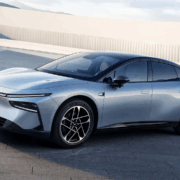
Chinese electric vehicle maker Xpeng said it aims to reposition itself as a “physical AI” company rather than a traditional carmaker, as it prepares to launch street trials of robotaxis and begin mass production of humanoid robots, reflecting a broader shift in the auto industry toward artificial intelligence.

Speaking at an event in Guangzhou on Thursday, founder and Chief Executive He Xiaopeng said deep integration of AI — including Xpeng’s in-house “Turing” AI chip — would help the company stand out in China’s fiercely competitive auto market. Xpeng is one of China’s top-selling EV startups and a technology partner of Volkswagen.

“Xpeng definitely does not want to become a car company that simply sells hardware cheaply,” He said. “We want to become a global technology company, a company with strong differentiation.”

The strategy mirrors efforts by Tesla, led by Elon Musk, which has expanded into robotaxis and humanoid robots as AI adoption accelerates worldwide. Highlighting the growing focus on physical AI, Arm Holdings told Reuters this week it had reorganized to create a dedicated physical AI unit targeting robotics.

Other Chinese automakers are pursuing similar paths. Li Auto announced an AI-focused repositioning in 2023, with founder Li Xiang saying the company invests more than 6 billion yuan ($859 million) annually in AI models, computing power and infrastructure.

Xpeng’s push into AI comes as China’s auto sector — the world’s largest — remains locked in a prolonged price war that has pressured margins. At the Guangzhou event, He unveiled four updated vehicle models, highlighting new software-driven features such as 3D navigation, advanced hazard alerts beyond the driver’s line of sight, and upgraded autonomous driving systems.

He said Xpeng is continuing to hire aggressively and invest in autonomous driving and humanoid robotics built around its proprietary AI capabilities. The company plans to begin mass production of humanoid robots in the second half of 2026 and will start street trials of robotaxis “very soon.”

Xpeng reported a net loss of 380 million yuan in the third quarter. He has previously said he expects the company to break even by the end of 2025.
China Launches Three-Month Crackdown on False Auto Marketing

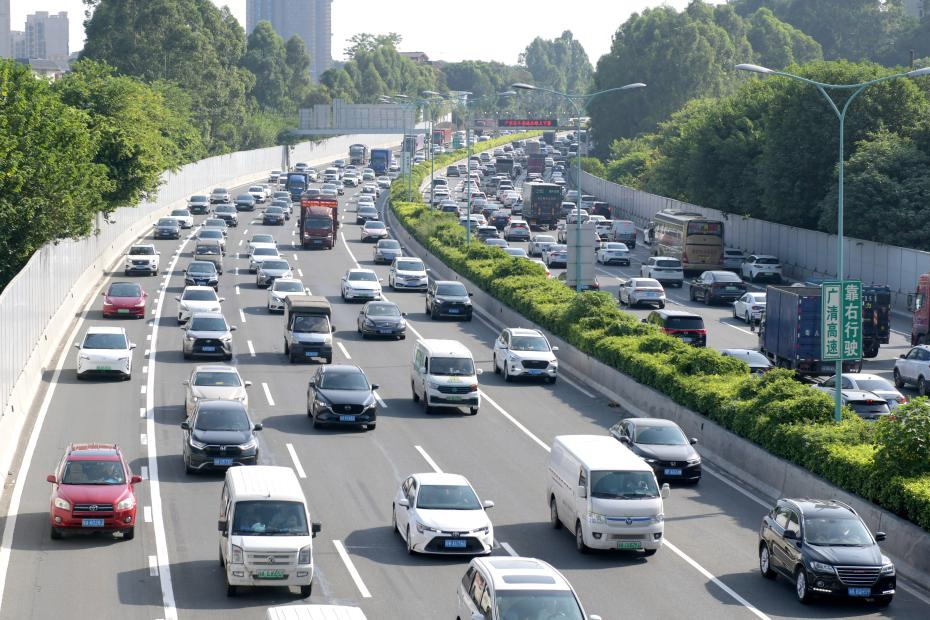
China’s industry ministry announced Wednesday a three-month campaign targeting false marketing and online misconduct in the automotive sector. The move comes as regulators tighten oversight following a prolonged price war that has strained carmakers, suppliers, and dealers in the world’s largest auto market.

Key Measures

  • False & Misleading Marketing: Authorities will curb exaggerated or deceptive claims about vehicles.

  • Troll Manipulation: Campaign will target organized online efforts to smear rivals for profit.

  • Automaker & Platform Oversight: Companies and digital platforms must implement corrective measures to ensure compliance.

Industry Context

  • Price War Fallout: Beijing tightened rules in May to limit aggressive discounting, which has disrupted margins across the auto supply chain.

  • EV Slowdown: Electric and hybrid vehicle sales grew at the slowest pace in 18 months last month, highlighting the risks of oversaturation and competition.

  • Regulatory Focus: The ministry emphasized curbing “negative topics” spread online with profit motives, signaling tougher scrutiny of both automakers and digital ecosystems.

Implications

This campaign is expected to reshape auto sector marketing practices in China, with regulators seeking to stabilize competition, protect consumers, and prevent reputational manipulation in the rapidly evolving EV market.

Xiaomi Faces Backlash as YU7 EV Buyers Confront Year-Long Delivery Delays

Buyers of Xiaomi’s new YU7 electric SUV are voicing growing frustration after being told they may have to wait up to 60 weeks for delivery, despite paying a non-refundable deposit. The smartphone giant turned automaker received around 240,000 orders for the YU7 in the first 18 hours after sales opened last Thursday, but only a limited number of vehicles were available for immediate delivery.

By Tuesday, Xiaomi’s official app indicated wait times of 38 to 60 weeks, Reuters confirmed. More than 400 customer complaints have since been filed on the Sina Black Cat consumer complaint platform, with many saying they were unaware of the lengthy wait until after confirming their orders. Customers paid 5,000 yuan ($698) upfront and are now demanding refunds, citing concerns about EV tax exemptions expiring by year-end.

Xiaomi has not publicly responded, but CEO Lei Jun said he would address customer concerns in a livestream event on Wednesday via Weibo, where he has nearly 27 million followers.

The backlash mirrors earlier issues with Xiaomi’s first EV, the SU7 sedan, which debuted in March 2024. Though SU7 buyers initially faced seven-month delays, the car eventually outsold Tesla’s Model 3 in China from December onward. However, the SU7 brand image was hit by a fatal crash in March, and since then, Xiaomi has also faced complaints about unclear delivery schedules and optional feature configurations.

The YU7, Xiaomi’s second EV, is priced from 253,500 yuan ($35,360) — nearly 4% cheaper than Tesla’s Model Y, the best-selling SUV in China. Xiaomi has made clear its ambition to directly challenge Tesla’s dominance in China’s EV market.

To meet demand, Xiaomi is scaling up production at its Beijing factory, raising monthly output from 4,000 units in March 2024 to 28,000 in May, and is preparing to expand to two new factory sites nearby.

Still, unless transparency improves and production catches up, Xiaomi risks damaging its EV reputation — especially at a time when consumer trust and timely delivery are becoming major differentiators in China’s competitive electric vehicle landscape.