Yazılar

Delivery Drivers in China Face Mounting Pressure Amid Economic Slowdown

China’s booming food delivery industry is showing signs of strain as the nation’s economic slowdown weighs heavily on the workers who drive its growth. Tensions are rising among delivery drivers, who are under immense pressure due to tight deadlines, shrinking wages, and a harsh work environment.

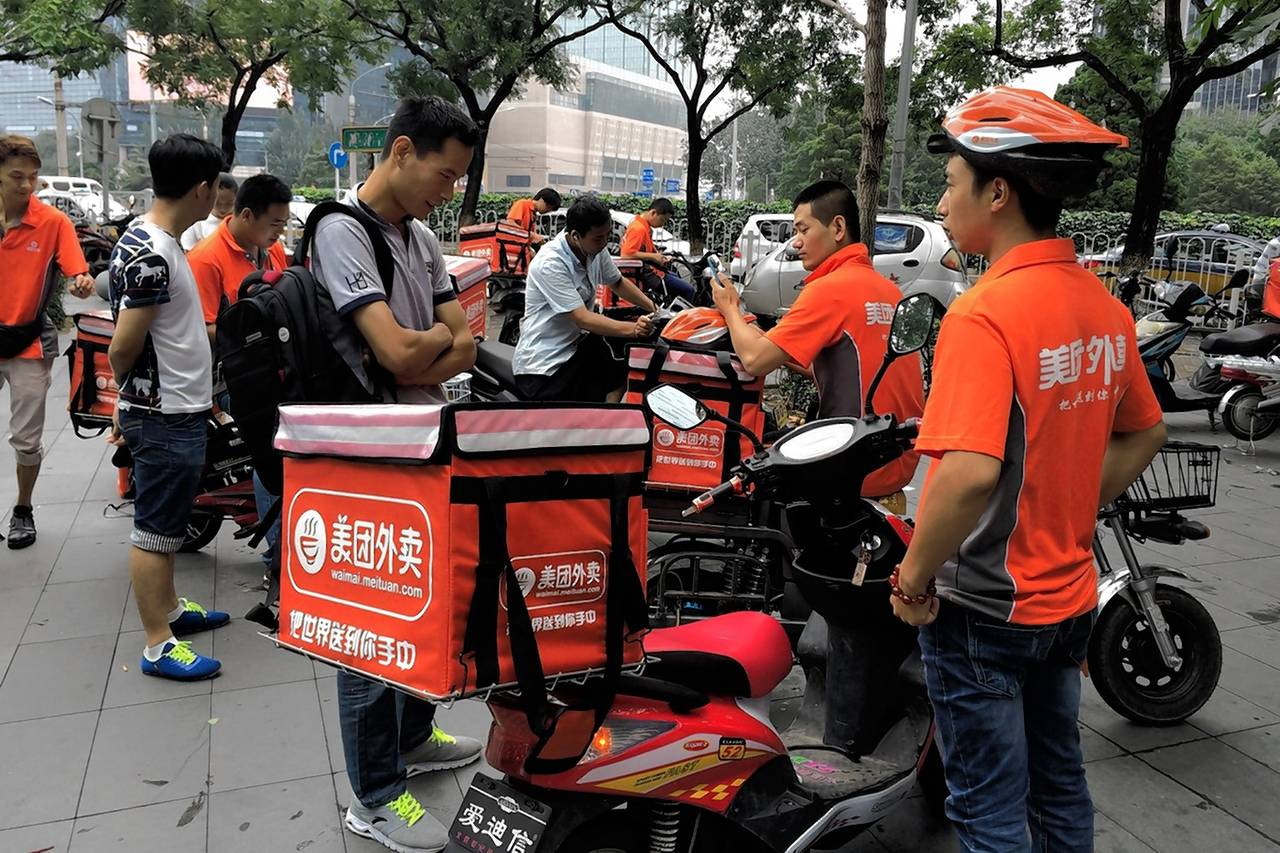
Recent viral videos show drivers reaching breaking points. In one clip, a rider smashes his phone after receiving a negative customer review. In another, a driver pleads with a police officer after running a red light, then pushes over his bike and runs away in frustration. In yet another, a group of drivers protests outside an apartment complex after one of their colleagues was allegedly mistreated by security guards. These incidents reflect the mounting stress faced by workers in China’s food delivery sector, which has become the largest in the world by both revenue and volume.

During the COVID-19 pandemic, the industry more than doubled in size, reaching $214 billion in 2023. However, the surge in demand that once provided steady income for drivers has now given way to an increasingly competitive and unstable environment. With China’s economy facing multiple challenges, such as a real estate crisis and declining consumer spending, delivery workers are feeling the squeeze.

In a sluggish economy, consumers are cutting back on spending, including takeout orders, which directly impacts the earnings of delivery drivers who rely on commission-based pay. Jenny Chan, an associate professor of sociology at Polytechnic University of Hong Kong, points out that drivers now work longer hours to maintain their earnings. Lower-priced orders mean lower commissions, and with fewer tips coming in, workers must push themselves harder to make ends meet.

China’s food delivery market is dominated by two giants—Meituan and Ele.me—which together control much of the industry. Their dominance gives them the power to set the terms of employment for drivers, often leaving workers with little room to negotiate better conditions. Labor rights advocates have raised concerns about deteriorating working conditions, noting that drivers are frequently penalized for minor infractions, even when they are not at fault.

With around 12 million drivers forming the backbone of China’s food delivery network, the industry remains essential, but the challenges it presents are mounting. Many drivers work in hazardous conditions, rushing to meet deadlines even in dangerous weather, and facing increased risks of accidents. The intense competition and lack of labor protections leave workers vulnerable, as many are treated as freelancers without job security or steady income.

Despite the industry’s growth, workers’ pay has declined. Last year, the average monthly income for delivery drivers was 6,803 yuan ($956), nearly 1,000 yuan less than five years ago. For many drivers, like 20-year-old Lu Sihang, this means working grueling 10-hour shifts just to earn enough to survive. With youth unemployment in China hitting record highs, more people are entering the delivery workforce, further intensifying competition for orders.

This competitive environment, combined with shrinking paychecks, has created a volatile situation. Delivery platforms have reduced bonuses and pay for workers, while restaurants, facing their own financial challenges, are offering cheaper delivery deals to attract customers. As profits soar for companies like Meituan and Ele.me, drivers are left bearing the brunt of cost-cutting measures.

Gary Ng, an economist at Natixis, explains that as China’s economy slows, consumer spending on delivery orders is decreasing, forcing restaurants to lower prices. This reduction in spending, coupled with the vast number of drivers vying for a limited number of orders, has significantly weakened workers’ bargaining power.

While some drivers, like 35-year-old Yang, appreciate the flexibility the job offers, many acknowledge that conditions are far from ideal. For many, the choice is simple: work longer hours or face financial hardship. In an industry that once offered a path to stable income, the future for China’s delivery drivers now seems increasingly uncertain.
 

China’s Q3 GDP Slows to Weakest Pace Since Early 2023, Prompting Calls for More Stimulus

China’s economy grew at its slowest pace since early 2023 in the third quarter, as the country’s ongoing property sector crisis continues to hamper growth. Although consumption and factory output exceeded expectations in September, the real estate downturn remains a significant challenge. Beijing has introduced several stimulus measures, but markets are still waiting for more clarity on the scope of these interventions and how they will support long-term growth.

In the July-September period, China’s GDP expanded by 4.6%, slightly above the forecast of 4.5% but below the 4.7% growth seen in the second quarter. Bruce Pang, Chief Economist at JLL, noted that this performance was largely expected, citing weak domestic demand, a struggling housing market, and sluggish export growth as key factors behind the slowdown. He emphasized that the effects of the late September stimulus package will take time to materialize and bolster growth in the coming quarters.

Despite these challenges, Chinese officials expressed confidence in achieving the government’s annual growth target of around 5%. Sheng Laiyun, deputy head of China’s statistics bureau, stated during a post-data press conference that further policy support, including a reduction in banks’ reserve requirements, would help sustain the economic recovery. He predicted continued stabilization in the fourth quarter, underpinned by improved consumption and industrial output figures.

While industrial output and retail sales data for September beat forecasts, the property sector remains a sore spot. Betty Wang, an economist at Oxford Economics, downplayed the significance of the better-than-expected September numbers, noting that structural issues in the real estate and household sectors persist. She warned that while the recent stimulus measures may cushion downside risks to 2024 growth, they are unlikely to reverse the broader structural downturn.

A Reuters poll suggests China’s economy will expand by 4.8% in 2024, below Beijing’s target, with growth slowing further to 4.5% in 2025.

PROPERTY SECTOR WOES

On a quarter-to-quarter basis, the economy grew by 0.9% in Q3, up from a revised 0.5% in Q2, but below the forecast of 1.0%. The weakness of the property sector remains a central concern, as real estate accounts for 70% of Chinese household wealth and once contributed up to a quarter of the country’s economy. Consumers, wary of the property market’s instability, have cut back on spending, negatively impacting businesses dependent on robust domestic demand. For example, eyewear maker EssilorLuxottica, which produces Ray-Ban and Oakley brands, reported missing revenue targets in Q3 due to weak Chinese consumer demand.

Further compounding worries, new home prices in China fell at the fastest rate since 2015 in September, indicating that the property market remains in crisis despite multiple rounds of policy support over the past year. Additionally, China’s crude steel output fell for the fourth consecutive month, reflecting sluggish demand for construction materials.

While the export sector has been a rare bright spot for China’s economy, growth in exports slowed sharply in September, raising concerns about the sector’s future performance.

DEFLATIONARY PRESSURES AND POLICY RESPONSE

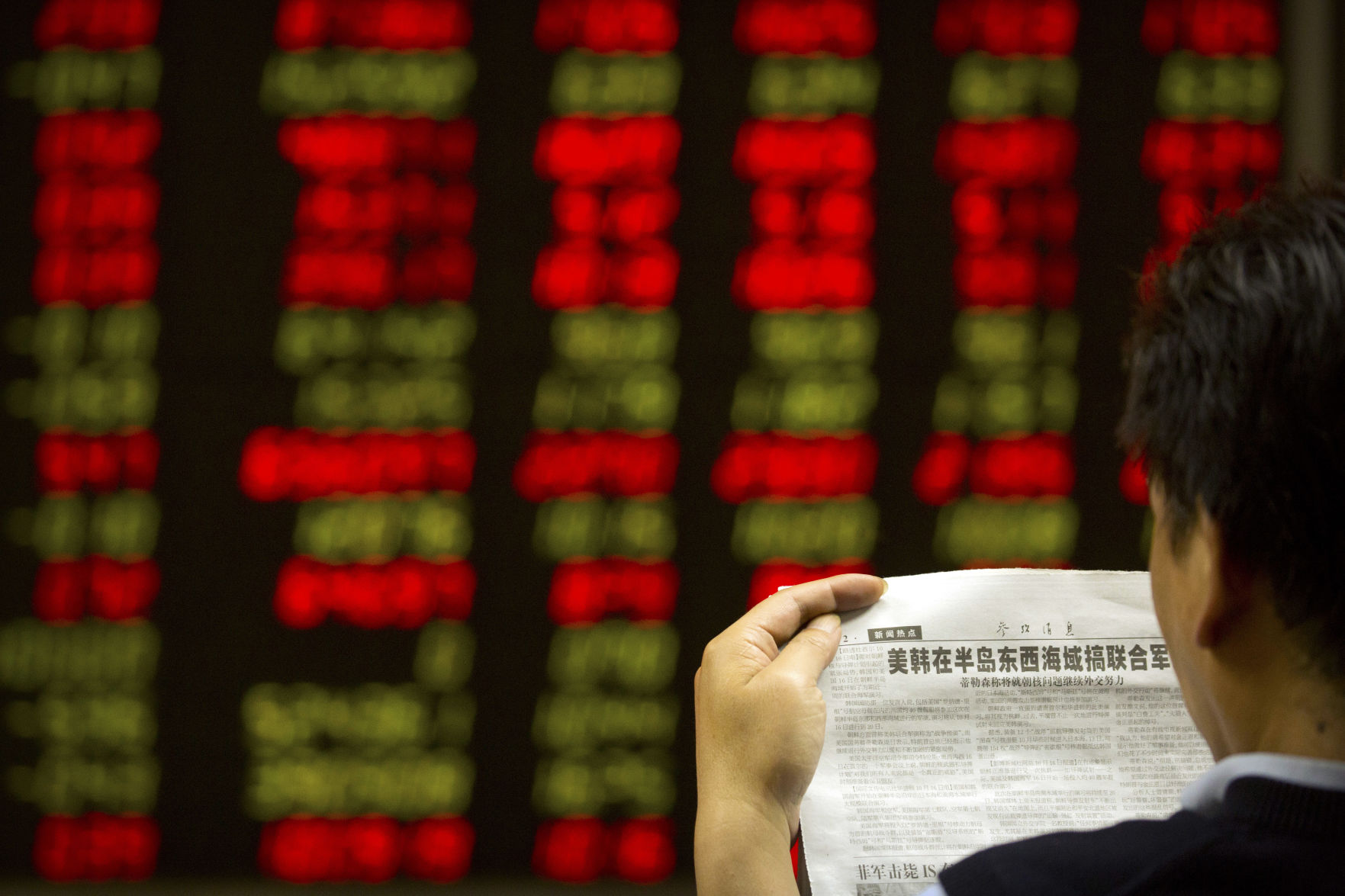
Following the release of the Q3 data, China’s stock markets were volatile but eventually rallied. The blue-chip CSI300 Index rose by 2.5%, and the Shanghai Composite gained 2.0%, boosted by new central bank funding schemes aimed at supporting the equity market. However, some economists believe China is grappling with deflationary pressures, which have persisted since early 2023. Toru Nishihama, Chief Economist at Dai-Ichi Life Research Institute, warned that China faces excess supply and weak demand, suggesting the country may fall into full-fledged deflation.

Policymakers have pledged to shift from relying on infrastructure and manufacturing investments to focus on stimulating domestic consumption. The central bank rolled out aggressive monetary support in late September, the most substantial measures since the COVID-19 pandemic, to bolster the property and stock markets. However, markets remain skeptical, as details about the total size of the stimulus package and the government’s long-term growth strategy remain unclear.

China faces structural challenges, including overcapacity, high debt levels, and an ageing population. Nishihama stressed that while the government has introduced numerous stimulus measures, it has yet to address these fundamental problems, leaving markets uncertain about the future trajectory of China’s economic recovery.


China Flags More Fiscal Stimulus for Economy, Leaves Out Key Details on Size

China announced plans to “significantly increase” debt to revive its economy, but withheld crucial information regarding the overall size of the stimulus package. This leaves investors uncertain about how long the recent stock market rally will last. At a press conference on Saturday, Finance Minister Lan Foan detailed measures aimed at alleviating local government debt, offering subsidies to low-income citizens, supporting the struggling property market, and replenishing state banks’ capital. However, no specific figures were provided.

Investors have been eagerly awaiting more aggressive action as the world’s second-largest economy faces mounting deflationary pressures, low consumer confidence, and a sharp property market downturn. The absence of a specific monetary figure for the stimulus prolongs market uncertainty. Economists and analysts are especially concerned as economic data in recent months has consistently underperformed, raising fears that China’s 2024 growth target of approximately 5% may be difficult to achieve.

Lack of Details Raises Investor Concerns

While Lan emphasized the government’s resolve to tackle the economy’s challenges, the lack of detailed numbers frustrated investors hoping for a comprehensive stimulus package to sustain the recent market rally. “The big bang fiscal stimulus that investors were hoping for… did not come through,” said Vasu Menon, managing director for investment strategy at OCBC in Singapore. The rally in Chinese stocks, which saw a 25% surge after the September Politburo meeting, has since slowed, and concerns about the absence of policy clarity are growing.

China’s property market remains a key issue, with falling demand and heavy debts hanging over local governments. In September, Reuters reported that China plans to issue special sovereign bonds worth around 2 trillion yuan ($284.43 billion), with half of the funds directed at local governments and the other half toward consumer subsidies and household benefits, such as an allowance of 800 yuan ($114) per child for families with two or more children. Meanwhile, Bloomberg reported China is considering injecting 1 trillion yuan of capital into state banks to stimulate lending, though demand for credit remains weak.

Central Bank Interventions and Structural Issues

The People’s Bank of China has already introduced its most aggressive monetary measures since the COVID-19 pandemic, including rate cuts and a liquidity injection of 1 trillion yuan. These measures have lifted market sentiment somewhat, but analysts argue that China needs more profound reforms to boost consumption and shift away from its reliance on debt-driven infrastructure investment.

Despite years of pledges to increase domestic consumption, household spending remains weak. Currently, consumption accounts for less than 40% of China’s annual GDP, significantly below the global average, while investment remains far higher than global norms. These imbalances highlight the need for structural reforms in policies and institutions if China is to achieve sustainable growth.

Lan’s press conference did little to quell concerns, with analysts warning that without targeted measures to boost demand and investment, China may struggle to ease deflationary pressures. “There is still relatively big room for China to issue debt and increase the fiscal deficit,” Lan said, noting that local governments have 2.3 trillion yuan left to spend in the final quarter of the year. However, deeper reforms are expected to be announced gradually.

Uncertain Path Forward

As markets await more concrete details, global investors are left speculating on China’s next moves. The upcoming meeting of China’s National People’s Congress, which is expected to approve additional debt issuance, may finally provide clarity. Until then, volatility in Chinese markets and global commodity prices is likely to continue, as investors try to gauge the impact of China’s fiscal policies.