Yazılar

China Unveils Broad Stimulus Measures to Revive Economy

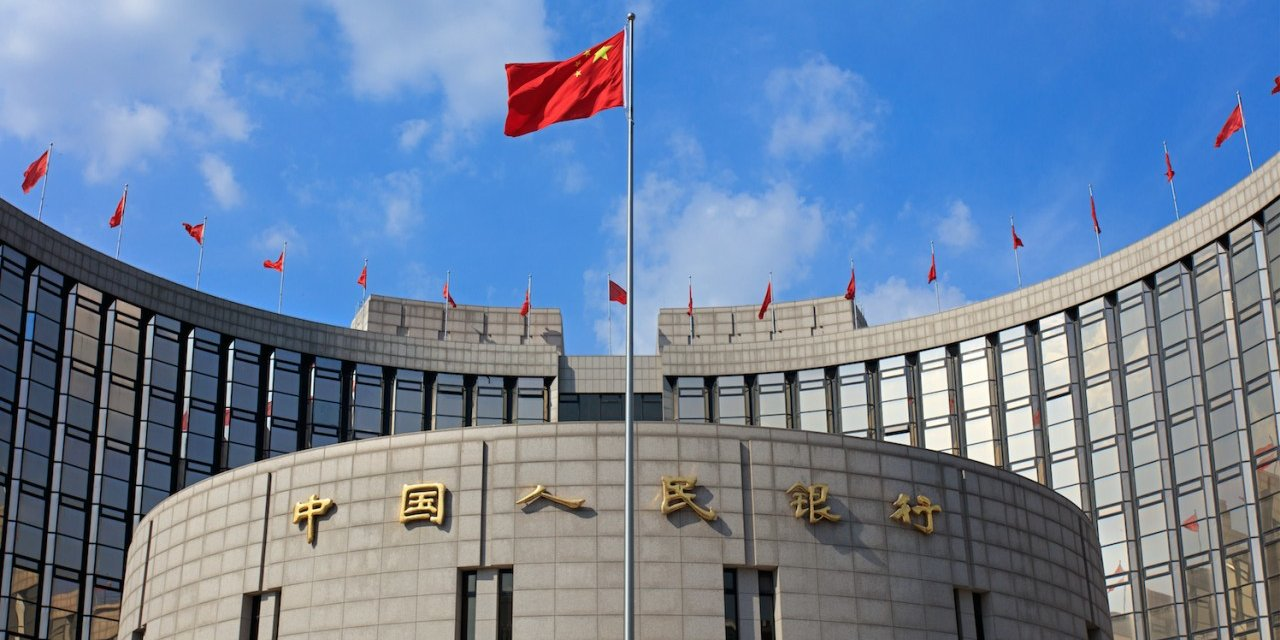
China’s central bank announced wide-ranging monetary stimulus and property market measures on Tuesday, aiming to revive an economy facing deflationary pressures and at risk of missing its growth target for the year. The People’s Bank of China (PBOC) revealed plans to lower borrowing costs, increase liquidity, and ease the burden of mortgage repayments for households, marking the latest attempt to restore confidence in the world’s second-largest economy after months of disappointing economic data.

Stocks and bonds in China rallied as Governor Pan Gongsheng outlined the measures, which include cutting banks’ reserve requirement ratios (RRR) by 50 basis points (bps). This move will free up around 1 trillion yuan ($141.93 billion) for new lending, though credit demand remains weak. The PBOC will also lower the seven-day repo rate by 0.2 percentage points to 1.5%, and reduce the medium-term lending facility rate by 30 basis points. Loan prime rates will also see a 20-25 bps cut.

The property market, a major driver of China’s economy, received further support with a 50 bps reduction in average interest rates for existing mortgages and a reduction in the minimum down payment to 15% for all types of homes. China’s property market has been in decline since its peak in 2021, and the crisis has heavily impacted consumer confidence, with 70% of household savings tied to real estate.

Despite earlier efforts to lower mortgage rates and downpayment requirements, demand for homes remains weak, and prices continue to fall. August’s economic data missed expectations, adding urgency to the stimulus package. Analysts warn, however, that these measures may not be sufficient to fully restore growth unless complemented by stronger fiscal policies.

Local governments have accelerated bond issuance to fund infrastructure projects, and analysts expect further support measures in the coming weeks as China aims to meet its roughly 5% growth target for the year. The recent U.S. Federal Reserve rate cut has provided room for the PBOC to ease its own monetary policies without putting too much pressure on the yuan.

Analysts, including those from investment banks such as Goldman Sachs and UBS, have already downgraded their growth forecasts for 2024, but they see Tuesday’s measures as a positive step towards economic recovery. ING’s Chief Economist for Greater China, Lynn Song, believes there is potential for further easing in the coming months, especially if global central banks continue cutting rates.

 

China’s Retail Sales and Industrial Data Fall Short of Expectations in August

China’s retail sales, industrial production, and urban investment for August all missed market expectations, signaling a slowdown in the world’s second-largest economy. Data released by the National Bureau of Statistics (NBS) on Saturday revealed that retail sales grew by just 2.1% from a year ago, falling short of the expected 2.5% growth forecasted by economists. This marked a deceleration from the 2.7% growth seen in July, further highlighting China’s ongoing struggle with weak consumer demand.

Online sales of physical goods also saw minimal growth, with an increase of less than 1% compared to a year ago.

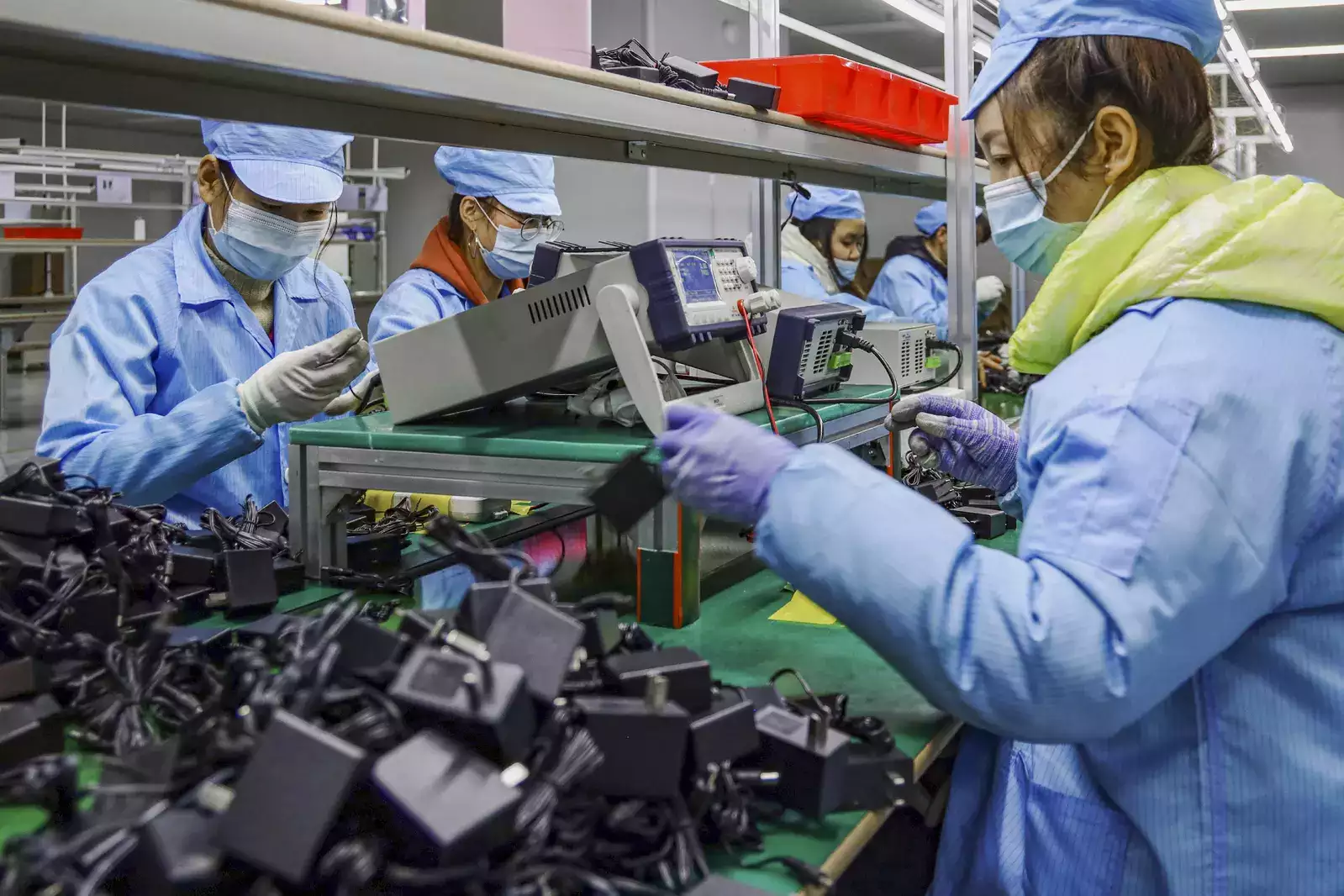
Industrial production, a key indicator of manufacturing activity, increased by 4.5% in August from a year earlier, missing the 4.8% forecast by Reuters and slowing from the 5.1% growth seen in July. Despite the decline, industrial production continued to grow at a faster pace than retail sales, reflecting China’s persistent economic imbalance of stronger supply with weaker demand.

Darius Tang, Associate Director at Fitch Bohua, noted that the current data points to a structural imbalance in China’s economy. Tang expects the Chinese government to roll out more gradual stimulus measures in the fourth quarter to support sectors like consumption and real estate, both of which have been underperforming.

Fixed asset investment for the January to August period rose by 3.4%, slightly below the projected 3.5% growth. Urban unemployment edged up to 5.3% in August from 5.2% in July, with the NBS attributing this increase to the graduation season. However, the bureau acknowledged that further efforts are needed to stabilize employment.

Additionally, real estate investment continued to decline, falling by 10.2% year-over-year through August, the same rate as in July. Investment in infrastructure and manufacturing also slowed compared to July, further signaling the weakening pace of growth in these sectors.

Amid these economic challenges, the NBS spokesperson, Liu Aihua, warned that the Chinese economy faces “multiple difficulties and challenges” due to changing external conditions. The bureau also emphasized the need for sustained efforts to ensure a stable economic recovery, as domestic demand remains insufficient to fuel growth.

China’s youth unemployment rate, reported separately after the main jobless figures, stood at 17.1% in July for those aged 16 to 24 who are not in school. Although this figure wasn’t updated for August, it remains a significant concern.

The economic downturn comes as China prepares for its Mid-Autumn Festival, a national holiday stretching from Sunday to Tuesday. Despite recent weaker consumption data, policymakers have not announced large-scale stimulus, opting instead for targeted support in key sectors like real estate.

In recent trade data, China’s imports rose by just 0.5% in August compared to a year ago, missing expectations. However, exports grew by 8.7%, surpassing forecasts.

China’s Consumer Price Index (CPI) for August also underwhelmed, rising by only 0.6% year-on-year, disappointing analysts who had expected stronger price growth. These figures collectively underscore the persistent weakness in consumption and domestic demand that continue to hamper the country’s economic recovery from the COVID-19 pandemic.


China’s Services Sector Growth Slows in August Amid Rising Costs and Job Cuts, Caixin PMI Reveals

China’s services sector expansion decelerated in August, as indicated by the Caixin/S&P Global services PMI dropping to 51.6 from July’s 52.1. Despite the ongoing summer travel boom, rising costs prompted some firms to reduce staff, highlighting concerns over the sector’s growth sustainability. The new business index remained in positive territory, buoyed by increased export business in tourism. However, input costs surged while selling prices fell due to heightened competition. The slowdown in services, paired with the challenges in the manufacturing sector, raises concerns about China’s ability to meet its 2024 growth target of around 5%.