Yazılar

Apple defies slowdown with higher iPhone shipments in China thanks to iPhone 17

Apple’s shipments in China rose slightly in the third quarter, boosted by strong demand for its new iPhone 17 series, according to data released by research firm IDC. Shipments grew 0.6% year-on-year to 10.8 million units, giving Apple a 15.8% share of China’s smartphone market and securing its position as the country’s second-largest vendor.

Overall, China’s smartphone market continued to face weak demand, with total shipments falling 0.6% to 68.4 million units in the third quarter, following a 4% drop in the previous quarter. Despite the sluggish environment, Apple outperformed rivals, becoming the only brand among China’s top three vendors to post growth during the period.

IDC analyst Will Wong credited the success to Apple’s “value-for-money” iPhone 17 base model, which appealed to cost-conscious consumers while maintaining premium quality. By contrast, Huawei’s shipments slipped 1% to 10.4 million units, placing it third, and Xiaomi’s fell 1.7% to 10 million units, ranking fourth. Market leader Vivo saw a sharper decline of 7.8%, down to 11.8 million units.

IDC expects the Chinese smartphone market to recover modestly in early Q4, driven by the release of new flagship models launched in recent months.


Apple’s iPhone 17 launch draws long queues in Beijing, Pro Max tipped as bestseller

Apple’s new iPhone 17 launch attracted large crowds in Beijing on Friday, with around 300 customers lining up outside the flagship Sanlitun store to collect pre-ordered devices. The turnout suggests a promising start for Apple in China, its second-largest market, where it has faced declining shipments and fierce competition from local rivals Xiaomi and Huawei.

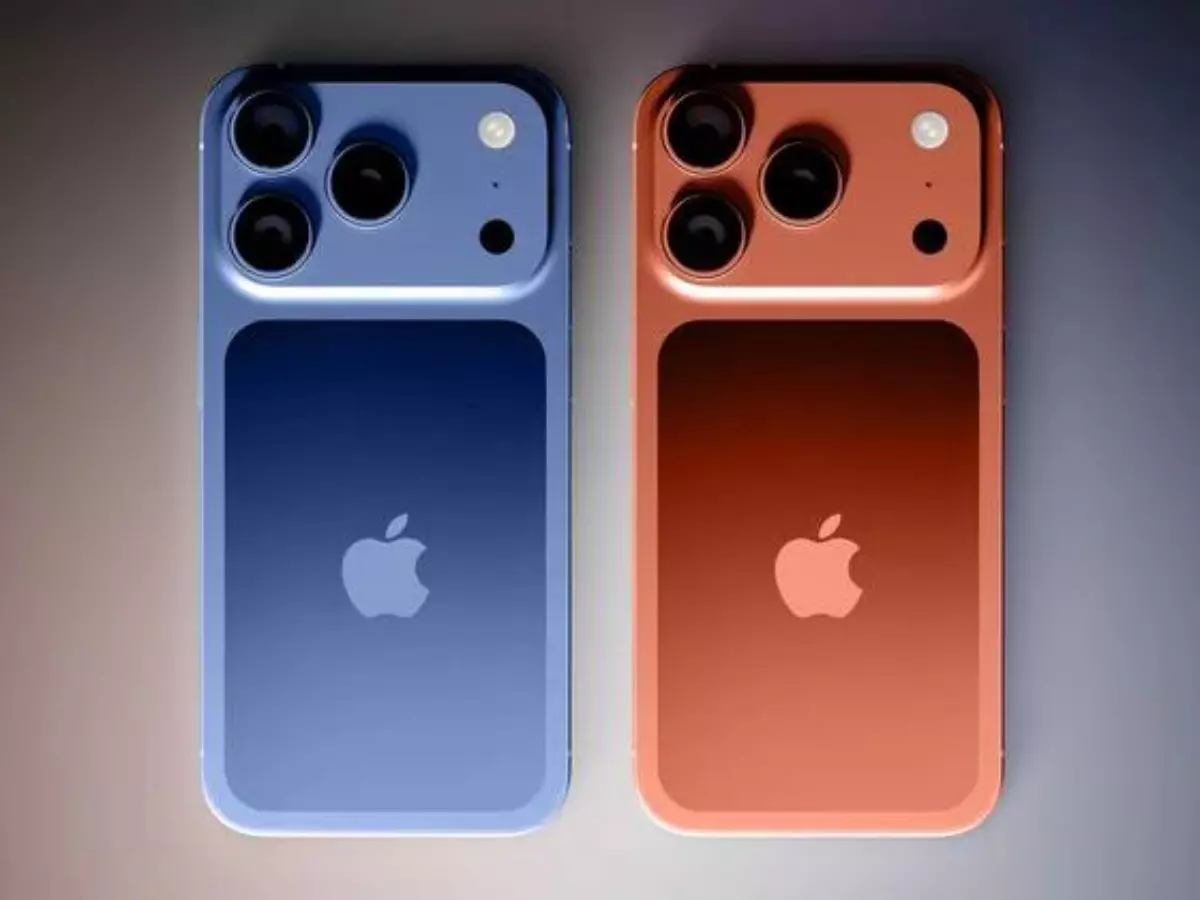
Among those queuing, 35-year-old Shuke Wang picked up the iPhone 17 Pro Max, which starts at 9,999 yuan ($1,406) and is expected by analysts to be the top-selling model of the series. Wang praised the redesign but noted the orange version looked “too flashy.” Apple highlights the Pro Max’s extended battery life as a key feature.

The base iPhone 17 offers a brighter, more scratch-resistant screen and an upgraded front-facing camera optimized for horizontal selfies. Meanwhile, the iPhone Air model introduces support for eSIM in China—pending regulatory approval from the country’s telecom giants—though Apple has not opened pre-sales for it. Analysts view the Air as a testing ground for slim designs that may eventually feed into foldable iPhones, though compromises in battery, camera, and audio quality could dampen its appeal among Chinese consumers.

Apple’s shipments in China fell 6% year-on-year in Q3, according to Counterpoint Research, but analysts predict a rebound. Omdia expects iPhone shipments in China to climb 11% in the second half of 2025, helping Apple to a 5% global full-year growth. The Pro Max model, driven by its major redesign, is projected to outperform last year’s 16 Pro Max and dominate Apple’s sales in China by 2026.

Foreign Phone Sales in China Drop Nearly 10% in May Amid Rising Local Competition

Sales of foreign-branded smartphones in China, including those from Apple Inc., fell 9.7% year-on-year in May, according to data released on Friday by the China Academy of Information and Communications Technology (CAICT).

Total shipments of non-Chinese brands dropped to 4.54 million units in May, compared to the same month in 2023. Although CAICT did not provide a breakdown by company, Apple’s dominant share among foreign players means its performance heavily influenced the overall decline.

The data highlights the intensifying competition foreign manufacturers face from domestic brands like Huawei, Xiaomi, and Honor. Apple has been particularly impacted, prompting the tech giant to implement aggressive pricing strategies, including discounts of up to 2,530 yuan ($351) on iPhone 16 models through Chinese e-commerce platforms.

Meanwhile, the broader Chinese phone market also saw a significant contraction. Total smartphone shipments in the country fell 21.8% year-on-year, with 23.72 million units sold in May.

Analysts say the data reflect both weak consumer demand and a growing shift toward homegrown technology, amid rising geopolitical and market pressures.