Yazılar

ASML Reports Export Curbs Impacted Customer Spending in 2024

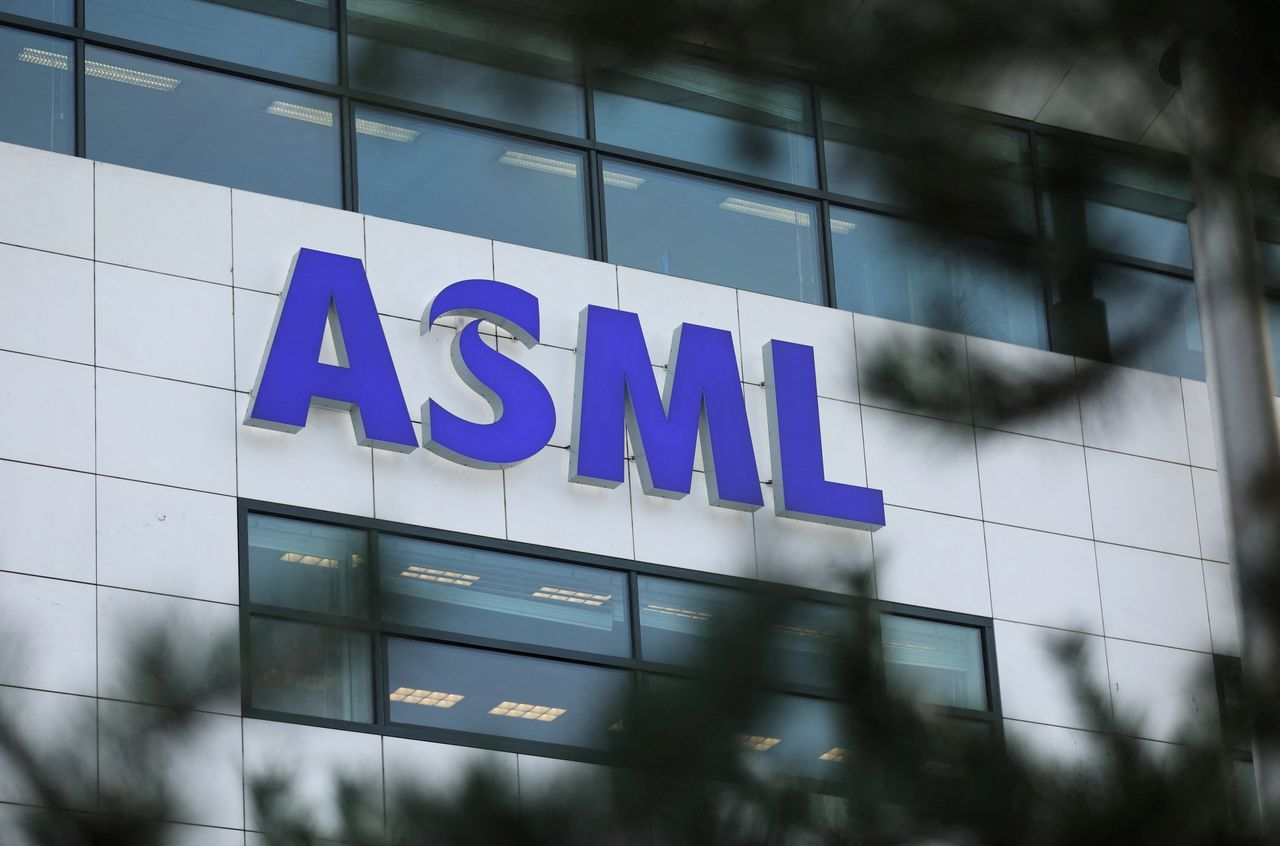
ASML, the Dutch semiconductor equipment manufacturer, stated in its annual report that uncertainties surrounding export controls weakened customer demand in 2024. The company, which has faced multiple waves of U.S.-led restrictions on exports to China, cited concerns over technological sovereignty and geopolitical factors affecting capital expenditures.

Major clients, including TSMC, Samsung, SK Hynix, SMIC, and Intel, have exercised caution in their spending due to these uncertainties. China, which accounted for 36% of ASML’s sales in 2024, is expected to see its share decline to around 20% in 2025 as more entities face restrictions.

Despite these challenges, ASML reaffirmed its sales forecast of €30-35 billion for 2025, up from €28.3 billion in 2024, driven by strong demand for extreme ultraviolet (EUV) lithography systems, essential for advanced chip manufacturing.

In a move to strengthen its global strategy, ASML announced the appointment of former Dutch Social Affairs Minister Karien van Gennip to its supervisory board. The company has also brought on political figures such as former French Finance Minister Bruno Le Maire and ex-Deputy Economy Minister Frank Heemskerk to enhance its international positioning.

China to Ease M&A Loan Restrictions for Tech Firms

China’s financial regulator announced a pilot program to ease restrictions on merger and acquisition (M&A) loans for technology enterprises. The initiative, launched by the National Financial Regulatory Administration, aims to support industry growth by providing greater financial flexibility.

Under the new program, M&A loans will be allowed to cover up to 80% of a firm’s total transaction value, an increase from the current 60% limit. Additionally, loan terms will be extended to a maximum of 10 years, up from the previous seven-year cap.

The pilot program will be implemented in 18 cities, including key financial hubs such as Shanghai and Beijing. The policy shift aligns with China’s broader efforts to bolster its technology sector and enhance corporate financing options amid global economic uncertainties.

China’s Chipmaking Equipment Purchases Expected to Decline in 2025

China’s spending on chipmaking equipment is projected to decline this year after three consecutive years of growth, driven by overcapacity and U.S. sanctions, according to a report released by Canadian semiconductor research firm TechInsights on Wednesday.

China has led global purchases of wafer fabrication equipment for the past two years, buying $41 billion worth of tools in 2024 and accounting for 40% of global sales. However, spending is expected to fall to $38 billion in 2025, a 6% year-over-year decline, with China’s share of global purchases dropping to 20%, marking the first decrease since 2021, according to Boris Metodiev, a senior semiconductor manufacturing analyst at TechInsights.

“We can see some slowdown in Chinese spending due to export controls and overcapacity,” Metodiev stated during an online seminar.

China had been a key growth driver in the global wafer fabrication equipment sector in 2023 and 2024, even as demand for consumer electronics declined globally. Much of the country’s recent equipment purchases were spurred by stockpiling in response to U.S. sanctions aimed at limiting China’s access to advanced chip technology, particularly those with potential military applications.

Despite these sanctions, Chinese companies such as Semiconductor Manufacturing International Corporation (SMIC) and Huawei have made advancements. Last year, they produced an advanced chip using more labor-intensive and costly methods. Chinese firms have also expanded significantly in the mature-node chip segment, boosting production capacity and gaining market share from Taiwanese competitors.

However, SMIC warned on Wednesday of potential oversupply risks in the mature-node chip market.

Leading Chinese equipment manufacturers like Naura Technology Group and AMEC have also expanded globally, with Naura now ranking as the world’s seventh-largest equipment maker by sales. Despite these efforts to bolster self-sufficiency, China still faces significant challenges in producing lithography systems and testing and assembly tools.

Dutch company ASML, the largest manufacturer of lithography machines, continues to dominate this sector. In 2023, Chinese companies provided only 17% of the testing tools and 10% of the assembly equipment used within the country, Metodiev added.