Yazılar

China-EU Tariff Dispute Unlikely to Escalate Further, Analysts Say

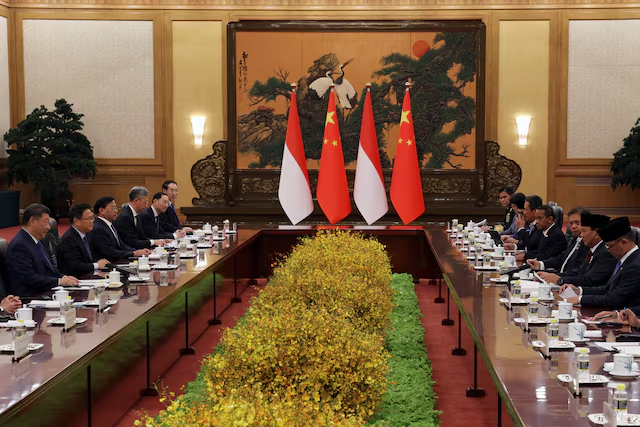
As China seeks resolution to its tariff dispute with the European Union (EU) regarding electric vehicles (EVs), analysts predict that Beijing will approach the situation with caution. Following China’s recent appeal to the World Trade Organization (WTO) to address the EU’s tariffs on its EVs, industry experts believe that both parties will avoid escalating the conflict significantly.

On Monday, China’s commerce ministry announced it had filed another complaint with the WTO, emphasizing that bilateral talks have not yielded satisfactory results. According to Shaun Rein, managing director of China Market Research, this latest action serves as a “warning shot” to Europe, indicating China’s strength while signaling a desire for cooperation. He anticipates a “measured” response from China as it navigates its economic relationship with Europe, particularly amid rising tensions with the U.S.

Since the implementation of the EU’s tariffs last Wednesday, discussions have surfaced regarding establishing minimum price commitments from Chinese car manufacturers as an alternative to the tariffs. The EU accounted for over 40% of China’s EV exports in 2023, making the economic stakes significant for both parties.

Sam Radwan, CEO of Enhance International, stated that the likelihood of the China-EU dispute escalating to the level of the U.S.-China trade tensions is low, primarily due to the EU’s dependence on China in its EV supply chain. The EU has increased tariffs on Chinese EVs to as high as 45.3% following a year-long investigation, prompting China to respond by targeting European exports like pork, dairy, and brandy.

European trade officials continue to engage in talks with their Chinese counterparts. Maros Sefcovic, the European Commission’s vice president, referred to China as the EU’s “most challenging trading partner” and expressed the bloc’s intent to be more assertive in addressing what it perceives as structural imbalances and unfair trade practices. Sefcovic emphasized that the EU does not seek trade wars but aims to rebalance its trade relationship with China.

Eugene Hsiao, head of China Autos at Macquarie Capital, noted that China will explore various avenues to pressure the EU into lowering tariffs. He suggested that a successful negotiation for lower tariffs could influence the level of investment Chinese EV manufacturers might consider for local production within the EU.

Reports indicate that China has advised its automakers to pause significant investment plans in European nations that support the tariffs, urging them instead to focus on countries that opposed the tariff measures. Notably, while countries like France, Poland, and Italy supported the tariffs in a recent vote, Germany, the EU’s largest economy and a significant car producer, opposed them.

In a meeting on Sunday, Chinese Commerce Minister Wang Wentao encouraged France to play a proactive role in fostering a solution that would benefit both the European and Chinese electric vehicle sectors. French junior trade minister Sophie Primas reaffirmed that while the EU aims to maintain trade relations with China, it would not compromise on critical issues.


Key Countries Watching U.S. Presidential Election Outcomes

As the U.S. presidential election approaches, several countries are keenly observing the vote, recognizing the potential implications for global stability, economic health, and security. The outcomes could significantly influence geopolitical dynamics, especially for nations like Ukraine, China, Russia, Israel, and Iran.

China
China, the U.S.’s primary economic competitor, is closely monitoring the election results. Former President Donald Trump has indicated a desire to revive the trade war initiated during his previous administration, suggesting substantial tariff increases on Chinese imports. He has proposed raising tariffs by 60-100%, which could significantly impact American households by raising consumer costs. Although Vice President Kamala Harris’s campaign has criticized such sweeping tariffs, a Democratic administration may still maintain existing tariffs imposed during President Biden’s tenure. As China faces economic challenges, including sluggish consumer confidence and a housing slump, the election’s outcome may dictate the size of its forthcoming stimulus measures.

Ukraine
For Ukraine, the stakes are exceptionally high. The country remains reliant on U.S. military aid amid its ongoing conflict with Russia. Analysts suggest that a Trump presidency could lead to reduced support for Ukraine, potentially jeopardizing its territorial integrity. Trump has claimed he could resolve the conflict quickly but would likely press Ukraine into negotiations that could cost it significant territory currently under Russian control. Conversely, while Harris has promised continued support for Ukraine, her ability to secure additional funding may depend on Congress’s composition. The outcome of the election may force Ukraine to reconsider its reliance on U.S. support.

Israel and Iran
The Middle East also watches closely as both candidates pledge strong support for Israel. Trump has cultivated a reputation as a protector of Israel, highlighting past decisions that favor Israeli interests, such as recognizing Jerusalem as its capital. Polling indicates that many Israelis favor Trump for their national interests over Harris. In contrast, Harris has faced scrutiny for her criticism of Israeli military actions but has reaffirmed her commitment to Israel’s right to defense.

As for Iran, experts predict that a Trump administration could escalate tensions, possibly allowing for more aggressive actions against Iran’s nuclear facilities. Harris, on the other hand, is likely to maintain a diplomatic approach, continuing Biden’s policy of de-escalation in the region.

In summary, the U.S. election carries profound implications not only for American politics but also for global affairs, with countries like China, Ukraine, Israel, and Iran poised to react to the new administration’s policies.

China’s Efforts to Boost Birth Rates Face Criticism, Struggle to Gain Traction

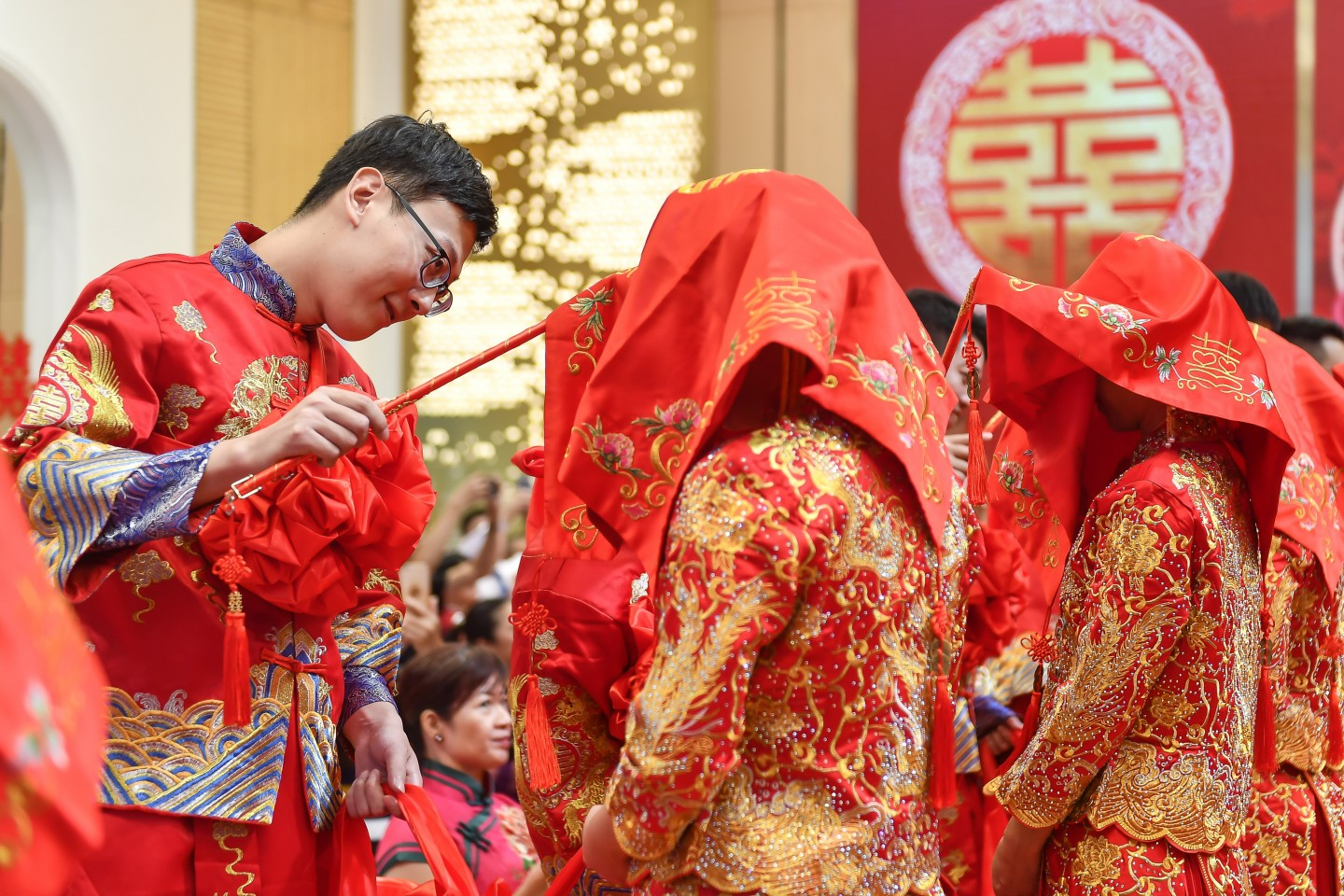
At a recent wedding expo in Changsha, China, bright pink neon signs with phrases like “Having three children is the best” reflected the government’s growing urgency to boost marriage and birth rates amid an aging population and declining births. However, the low turnout and backlash on social media suggest that the government’s traditionalist messaging may be missing the mark with modern audiences, especially women.

The expo featured hands-on activities for couples, such as experiencing simulated childbirth pain and practicing parenting skills, as part of the government’s broader attempt to promote family life. Yet, slogans reinforcing gender roles — “Housework is the best” and “Best at raising kids” — have drawn widespread criticism online. Many saw the language as outdated and sexist. “All the slogans seem directed at women. Isn’t sharing housework the right thing to do?” commented one Weibo user. Another on Xiaohongshu claimed the expo “probably persuaded a lot of hesitant people to give up marriage.”

Government figures show that marriage registrations dropped 16.6% in the first three quarters of 2024 compared to the previous year, indicating that young people are increasingly delaying or forgoing marriage altogether. This trend has alarmed officials, prompting Beijing to urge local governments to promote marriage and childbirth with policies like improved maternity leave, childcare support, and housing incentives for larger families. However, these policies lack detailed funding plans, and many experts doubt their effectiveness without significant changes in work culture and gender equality.

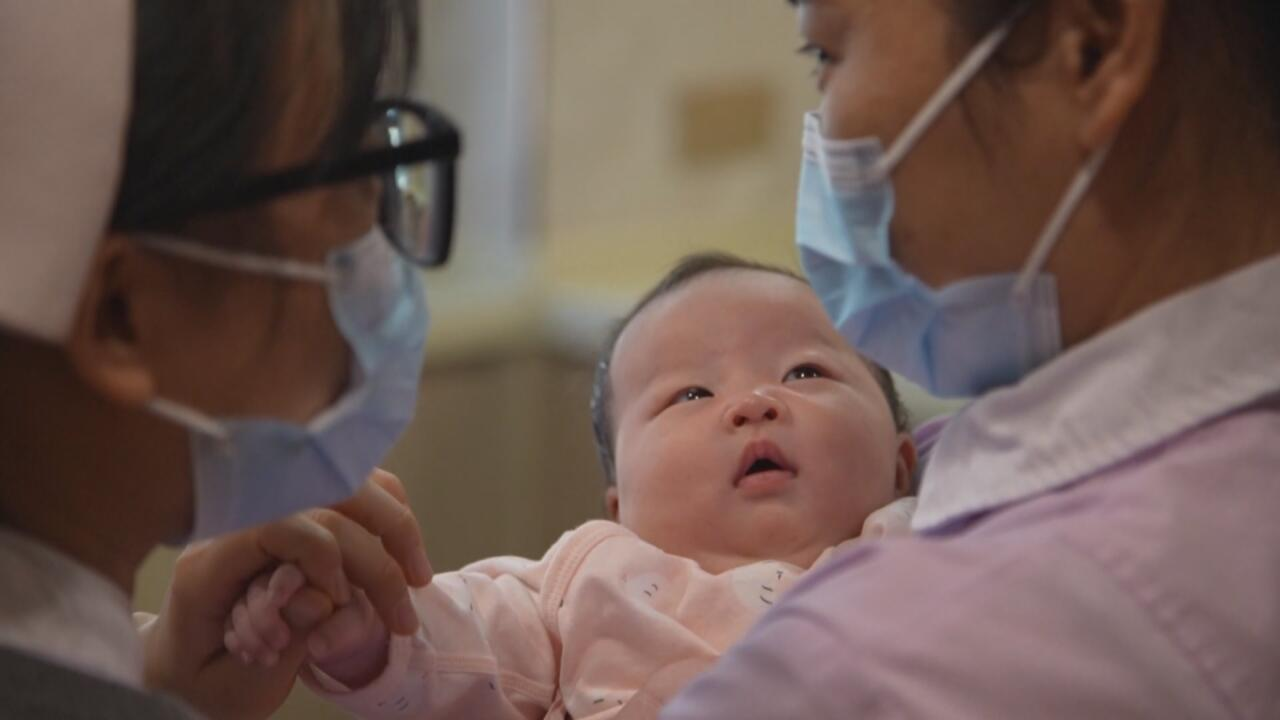
The government’s recent actions reflect a growing anxiety over demographic decline. In 2015, China ended its one-child policy, yet birth rates have continued to fall, reaching record lows last year. Some local governments have resorted to tactics like cold-calling women to promote pregnancy and offering free vitamins, which have done little to sway public opinion. Shanghai resident Aiqi, 32, dismissed the latest measures as inadequate, citing high costs and systemic pressures. “We need to change the competitive education system, the high-intensity work environment, and the high cost of housing,” she noted.

Experts believe that economic constraints may hinder the effectiveness of Beijing’s policies. According to demographer Yi Fuxian, the long-term costs of raising a child mean that debt-burdened local governments have little incentive to encourage childbirth. Research from the Yuwa Population Research Center suggests that stabilizing China’s population would require an investment of 10% of the country’s GDP. While similar policies have had success in Western countries like France and Sweden, they’ve struggled in East Asia, largely due to persistent gender inequality. China’s ranking of 107th in the World Economic Forum’s gender gap index places it far behind nations like South Korea and Japan, both of which have also struggled to raise birth rates despite policy interventions.

Sociologists like Yun Zhou of the University of Michigan argue that top-down policies rarely shift individual choices on family planning. “Measures that tell people to have more children are rarely effective,” she said. This sentiment was echoed by Weibo user Yuxiao, who criticized the festival’s focus on gendered expectations. “Treat girls as human beings and respect them,” Yuxiao wrote. “Many don’t want to marry in the first place, and now there’s added pressure on them and their families to have children.”

The marriage expo in Changsha will continue to run every weekend through November, but the mixed reactions highlight a widening gap between policy goals and public sentiment. For many, China’s approach seems disconnected from the lived realities of modern Chinese families, raising questions about the future effectiveness of government efforts to reverse the demographic decline.