Yazılar

China’s Chery Assembles Cars in Russian Plants Vacated by Western Firms

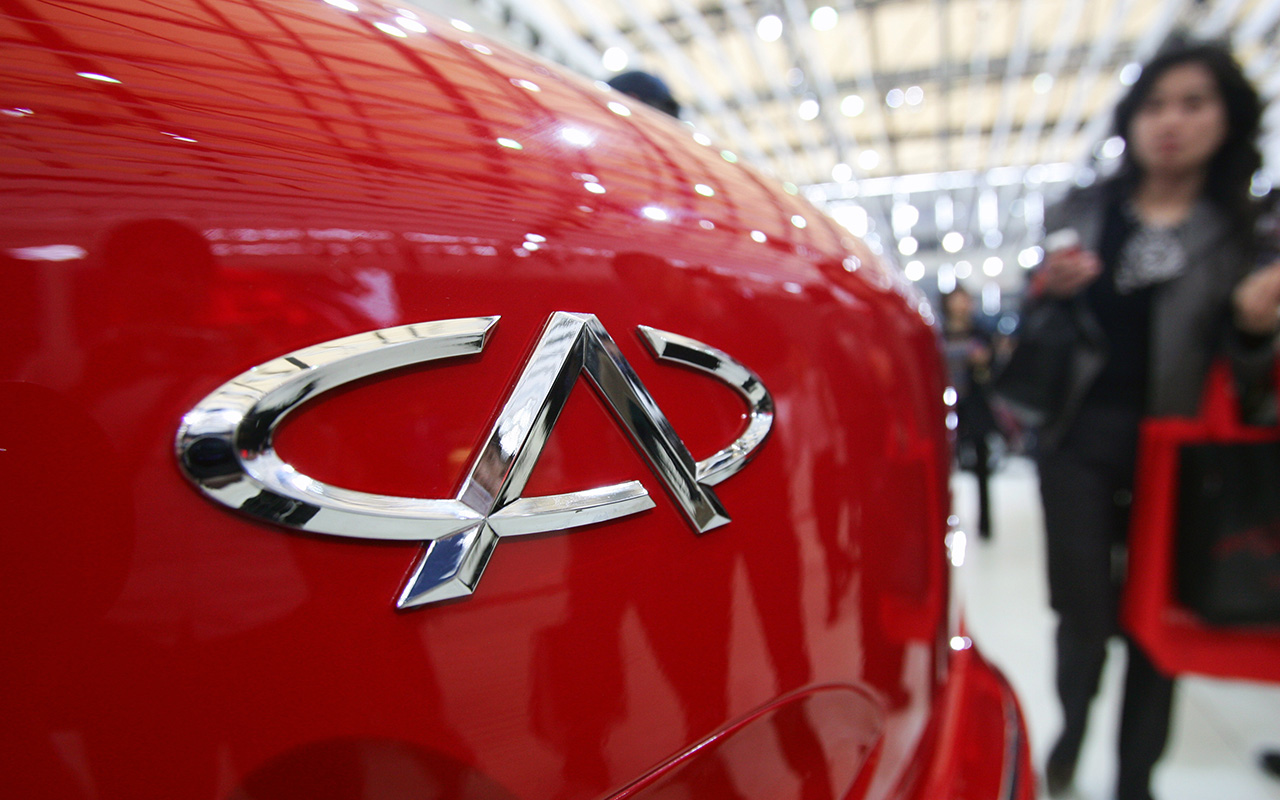
Chinese automaker Chery has begun assembling cars in Russia at three factories vacated by Western companies, such as Volkswagen and Mercedes, following Russia’s invasion of Ukraine. As Chinese brands now dominate more than half of Russia’s car sales, Chery is expanding its role in the country’s manufacturing sector by importing nearly finished cars and completing assembly domestically. This development underscores China’s growing influence in Russia’s economy and industrial landscape.

Chery has taken over production lines once owned by Western firms, including Nissan, Volkswagen, and Mercedes-Benz. In St. Petersburg, the Nissan plant is now producing rebranded Chery models, like the Tiggo 7 SUV, which is being sold as the Xcite X-Cross 7 in Russia. In Kaluga, Tiggo crossovers are being assembled in a factory previously operated by Volkswagen. In the Moscow region, a plant formerly owned by Mercedes-Benz is producing Chery’s Exeed VX model, a luxury mid-size crossover.

Chery’s “semi knocked down” (SKD) strategy involves importing nearly complete vehicles to Russia, where the final assembly takes place at these facilities. Chery has already witnessed significant sales growth in Russia, nearly quadrupling its car sales to over 200,000 vehicles in 2023. With plans to enter more than 60 new markets in the coming years, the company is also poised to expand further, despite new tariffs imposed by the European Union on Chinese electric vehicles.

Russia, on the other hand, has been raising tariffs on car imports, making local assembly an attractive option for foreign manufacturers. This trend is part of a broader shift in Russia’s automotive industry as Chinese firms fill the gap left by Western brands. Although Chery has yet to confirm any plans to build or acquire its own factories in Russia, its expanding production in the country reflects growing collaboration between China and Russia amid ongoing geopolitical tensions.
 

Taiwan’s President Asserts China Cannot Be Its Motherland, Sparking Controversy

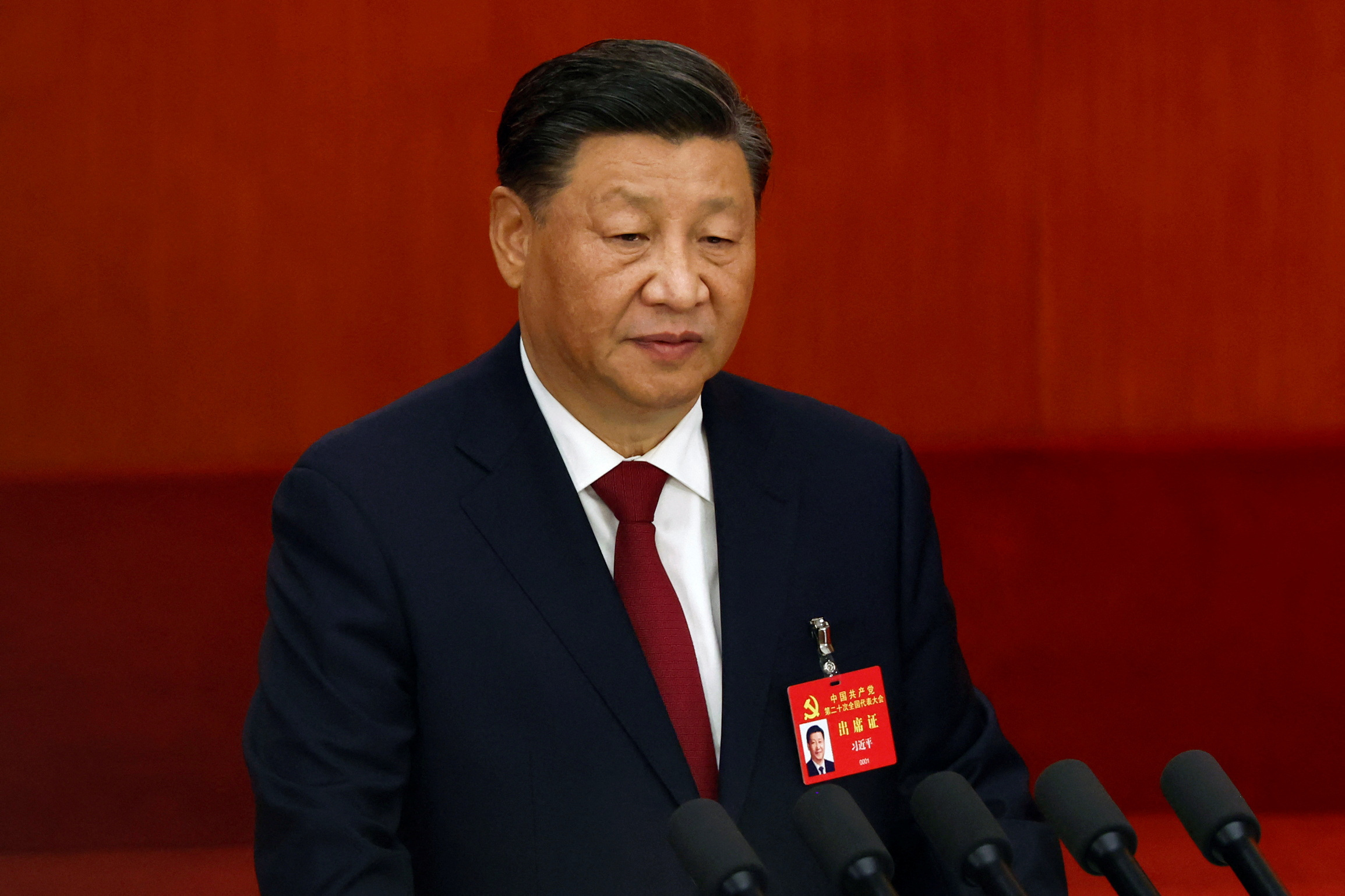
Taiwan’s President, Lai Ching-te, has declared that it is “absolutely impossible” for Communist China to be considered Taiwan’s motherland, citing Taiwan’s longer-established government in a move that reinforces the historical rivalry between the two entities. His comments, delivered during a concert ahead of Taiwan’s national day, highlighted Taiwan’s distinct identity and the ongoing rejection of Beijing’s claims over the island.

Lai, who has consistently supported Taiwan’s sovereignty, pointed out that Taiwan, officially the Republic of China (ROC), predates the People’s Republic of China (PRC) by several decades. The ROC, founded in 1912 after a revolution that overthrew China’s Qing dynasty, relocated its government to Taiwan in 1949 following the Chinese Civil War and the rise of the Communist Party under Mao Zedong. In contrast, the PRC, established in Beijing in 1949, has never controlled Taiwan but continues to claim it as a breakaway province.

During his speech, Lai underscored Taiwan’s unique status: “Our neighbor, the People’s Republic of China, just celebrated its 75th birthday on October 1. In a few days, the Republic of China will celebrate its 113th birthday.” This comparison was met with applause from the audience in Taipei, reinforcing Lai’s stance that the PRC cannot be Taiwan’s motherland. He even humorously suggested that the ROC could be the motherland of Chinese citizens over 75 years old.

Beijing has yet to respond to Lai’s remarks, which come at a time of heightened tensions. China’s leaders, particularly under President Xi Jinping, have intensified efforts to bring Taiwan under Chinese control, even threatening military action if necessary. Xi has reiterated his determination to achieve reunification, viewing it as an “irreversible trend” and a “common aspiration of the people.”

Lai’s comments have drawn criticism domestically, particularly from the Kuomintang (KMT), Taiwan’s main opposition party. The KMT has accused Lai’s Democratic Progressive Party (DPP) of unnecessarily provoking China. KMT city councillor Ling Tao remarked on social media that Lai’s references to the PRC and his “motherland theory” were intended to stoke political confrontation between Taipei and Beijing.

The KMT, once intent on reclaiming mainland China, has since evolved to support closer ties with Beijing, favoring a more pragmatic approach toward cross-strait relations. Meanwhile, Lai’s DPP maintains a more assertive stance on Taiwan’s sovereignty, further intensifying the political divide within Taiwan.

Beijing’s aggressive posture toward Taiwan, paired with Lai’s defiant rhetoric, has raised concerns of a potential military conflict in the region. Lai’s upcoming national day address is expected to further clarify Taiwan’s position as tensions with China continue to simmer.

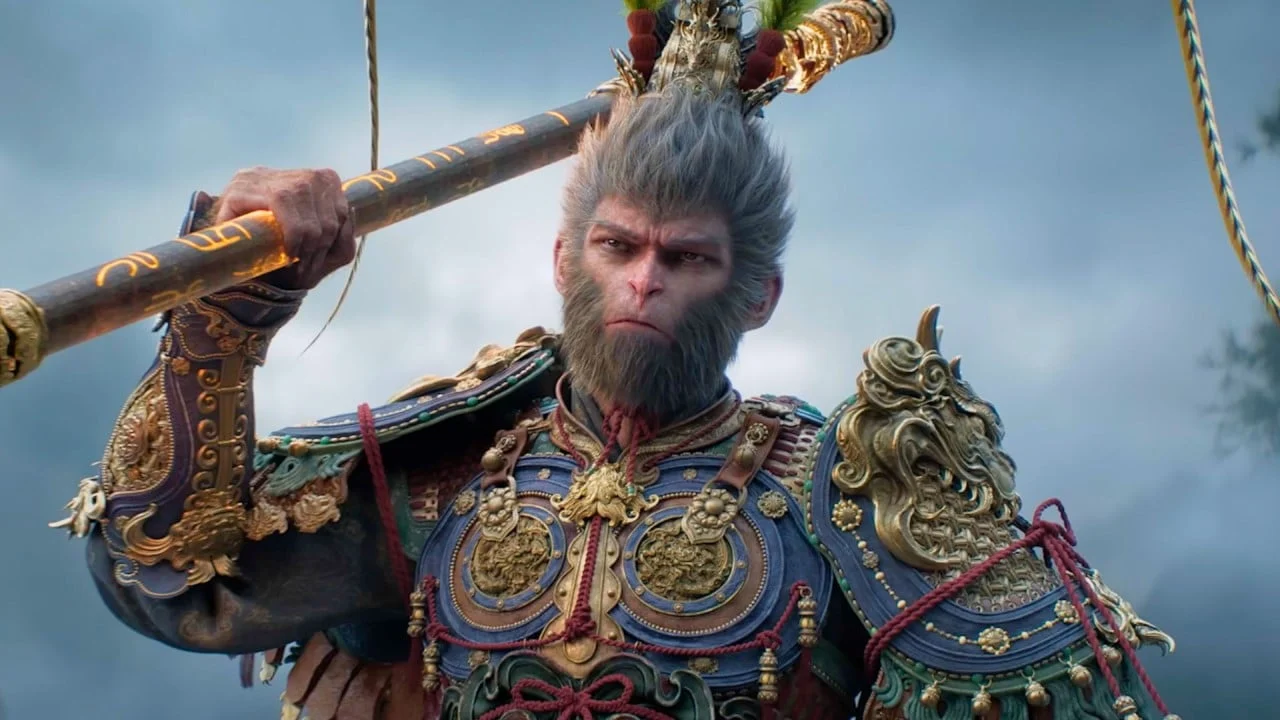
Black Myth: Wukong Set to Receive Exciting DLC Release in Early 2025

Black Myth: Wukong Achieves Remarkable Sales Milestone, Surpassing 10 Million Copies in Just Three Days Devamını Oku