Yazılar

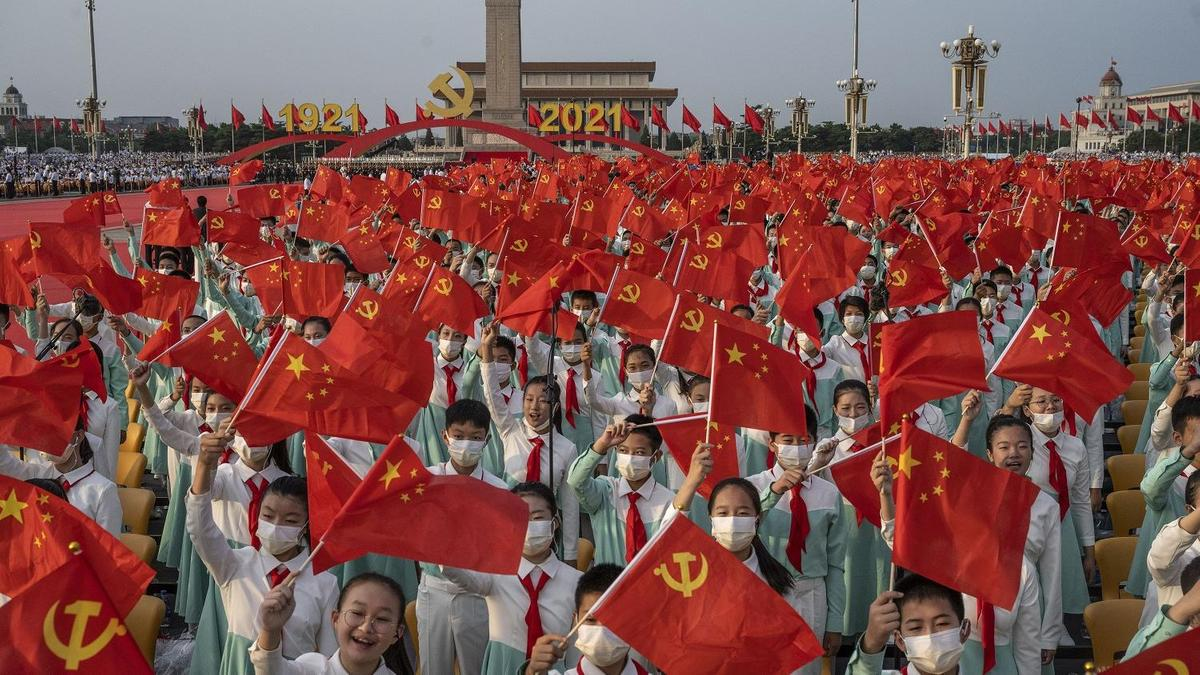
Communist China Celebrates 75th Anniversary Amid Economic Struggles

As China celebrates its 75th anniversary, the mood across the country remains somber despite a sudden stock market surge. Over the past year, China’s economy has faced persistent challenges: rising unemployment among youth, salary cuts, a shrinking middle-class, and a collapsing housing market. Many fear the country may be entering its own “garbage time of history,” a reference to a basketball game’s unwinnable final moments. This pessimism starkly contrasts with the optimism from just five years ago, when many expected China to soon surpass the U.S. as the world’s largest economy.

In an effort to regain momentum, Chinese leader Xi Jinping has recently approved stimulus measures aimed at reviving the economy. The government announced cash handouts, employment subsidies, and measures to encourage lending, resulting in a stock market surge. Yet, experts caution that these short-term measures are insufficient to address the country’s deeper structural problems, including its reliance on an investment-led growth model, an oversaturated housing market, and a shrinking workforce.

The housing market, which accounts for 70% of household wealth, has been particularly devastating. Despite easing restrictions on home purchases, property prices continue to fall, leaving many households with significant losses. Adding to the challenges, China’s population has been shrinking for two years, further dampening demand in the real estate sector.

China’s youth are especially disillusioned, with buzzwords like “lying flat” and “letting it rot” reflecting growing resistance to societal pressures. Youth unemployment hit a record 18.8%, and many young people see limited prospects for upward mobility. This presents a challenge for the Communist Party, which has long relied on economic growth for its legitimacy.

Despite these hurdles, China’s stock market is experiencing a sudden rebound. However, analysts warn that the real economy remains fragile. Stimulating the stock market may temporarily boost sentiment, but fundamental reforms, including more robust social welfare and efforts to shift toward a consumption-led economy, are necessary to sustain long-term growth.
 

China to Cut Existing Mortgage Rates by End of October to Boost Property Market

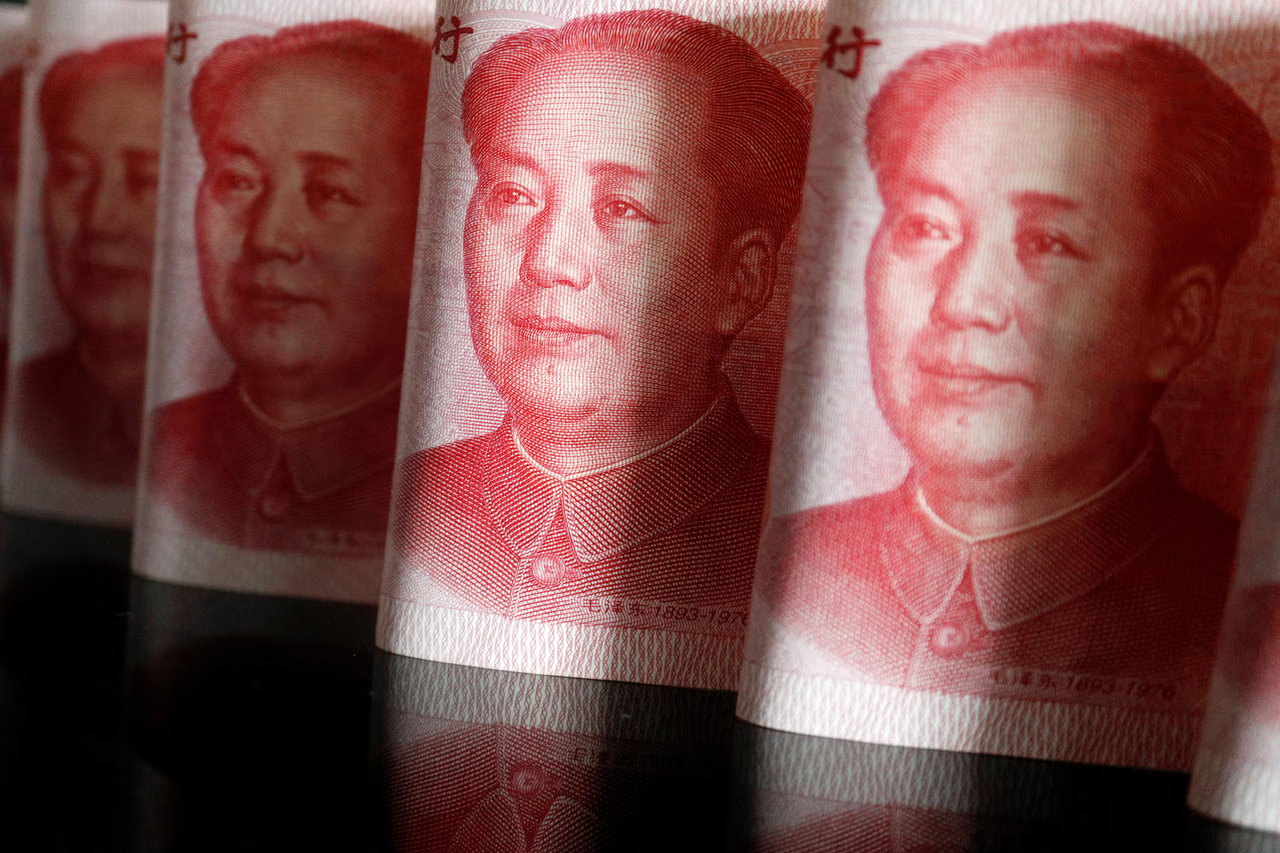
China’s central bank, the People’s Bank of China (PBOC), announced on Sunday that it would instruct commercial banks to lower mortgage rates on existing home loans by October 31. This move is part of broader policies aimed at supporting the country’s struggling property market amidst an economic slowdown.

The PBOC’s statement detailed that commercial banks should reduce existing mortgage rates in stages, with rates to be set at least 30 basis points below the Loan Prime Rate (LPR), China’s benchmark mortgage rate. On average, this adjustment is expected to lower rates by approximately 50 basis points.

Throughout 2023, China has introduced various policies, including lowering down-payment requirements and mortgage rates, in an attempt to revitalize its property sector. However, these measures have had limited success in boosting sales or improving liquidity in a market that remains cautious, contributing to a drag on broader economic growth.

Adding to these nationwide efforts, cities like Guangzhou announced the removal of all home purchase restrictions, while major urban centers such as Shanghai and Shenzhen revealed plans to relax housing rules for non-local buyers. In addition, the minimum down-payment ratio for first-time homebuyers in these cities will be reduced to 15%.

These policy adjustments come shortly after China launched its largest economic stimulus package since the COVID-19 pandemic, seeking to pull the economy out of a deflationary trend.

The need for urgent adjustments was highlighted earlier this month when new home prices fell at their fastest pace in over nine years, and property sales plunged by 18% during the first eight months of the year. By cutting mortgage rates, the central bank hopes to ease the financial burden on homeowners, stimulate the property market, and revive weak domestic consumption.

“As market-oriented reforms on interest rates deepen, and the relationship between supply and demand in the real estate market undergoes significant changes, the current mortgage rate pricing mechanism has exposed its shortcomings,” the PBOC said. “The public response has been strong, indicating that the mechanism requires urgent adjustments and optimization.”

China’s largest state-owned banks, including Industrial and Commercial Bank of China and China Construction Bank, have indicated their commitment to implementing these changes. The aim is to adjust mortgage interest rates in an orderly fashion, offering relief to homeowners.

While previous rate cuts primarily benefited new homebuyers, existing homeowners have continued to carry higher-rate loans. This has resulted in many households rushing to pay off their mortgages early, which in turn has constrained spending and consumption.

According to official data, the total value of individual mortgages in China stood at 37.79 billion yuan ($5.39 billion) as of June, marking a 2.1% decline year-on-year.

Additionally, the PBOC announced an extension of supportive measures for real estate developers, allowing access to loans and trust funds until the end of 2026 to help meet financing needs and stabilize the sector.

India’s Path to Becoming a Semiconductor Powerhouse Faces Challenges, but Collaboration is Key

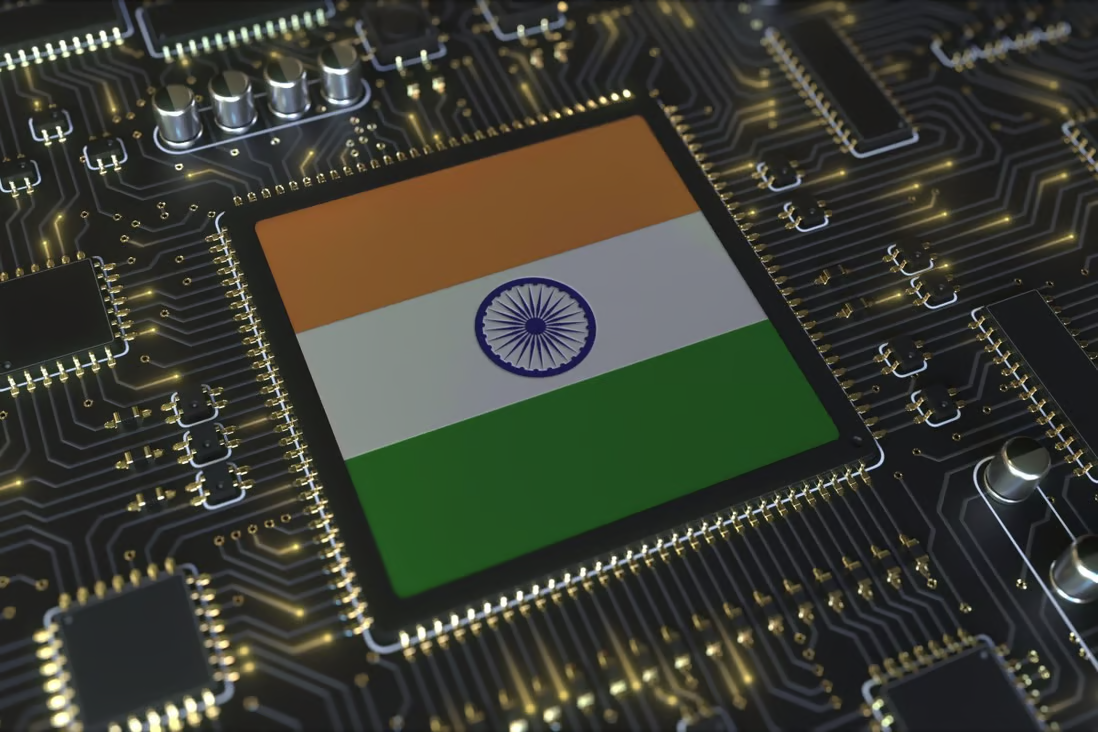
India is making bold strides toward establishing itself as a global semiconductor powerhouse, aiming for self-reliance in manufacturing. Prime Minister Narendra Modi has set ambitious goals, targeting a leap in the country’s electronics sector from $155 billion today to $500 billion by 2030. However, experts are divided on whether this target is feasible, with a consensus that India cannot achieve it on its own.

Eri Ikeda, assistant professor at IIT Delhi, highlights that India’s semiconductor journey is still in its early stages. Taiwan leads global semiconductor production with 44% market share, followed by China (28%) and other key players like South Korea and the U.S. Collaborative efforts are already in motion, such as Taiwan’s Powerchip Semiconductor partnering with Tata Electronics to build India’s first wafer fab in Gujarat, and American chipmaker Micron Technology planning to produce semiconductors in India by 2025.

India’s drive for semiconductor self-reliance is partly fueled by its growing role as a viable alternative to China for global supply chains. However, analysts caution that India must first learn the nuances of the semiconductor industry. Rishi Bhatnagar of the Institution of Engineering and Technology suggests that India should focus on collaboration rather than direct competition with China, which continues to invest heavily in semiconductor equipment from the U.S. and Japan.

India is strengthening ties with the U.S. to diversify its semiconductor sources. The U.S. Department of State has partnered with India’s Semiconductor Mission to bolster global semiconductor value chains, further fueled by geopolitical tensions with China. As a democratic nation with a growing English-speaking workforce, India is positioned as an attractive investment destination for tech giants like Apple and Google.

While infrastructure and investment challenges remain, India has advantages such as a low labor cost and a young workforce. The country is also making significant improvements in its infrastructure, with plans to modernize highways, railways, and airports. These developments are crucial as India positions itself to cater to the increasing global demand for semiconductors.

Despite the hurdles, optimism persists. Analysts see India’s potential to meet global chip demands while maintaining lower production costs, offering a competitive edge over China. Samir Kapadia, CEO of India Index, emphasizes India’s unique combination of economic stability, workforce potential, and infrastructure development, making it a strong contender in the global semiconductor race.