Yazılar

Trump Announces Proposed 100% Tariff on Imported Semiconductors, With Exemptions for U.S.-Based Manufacturers

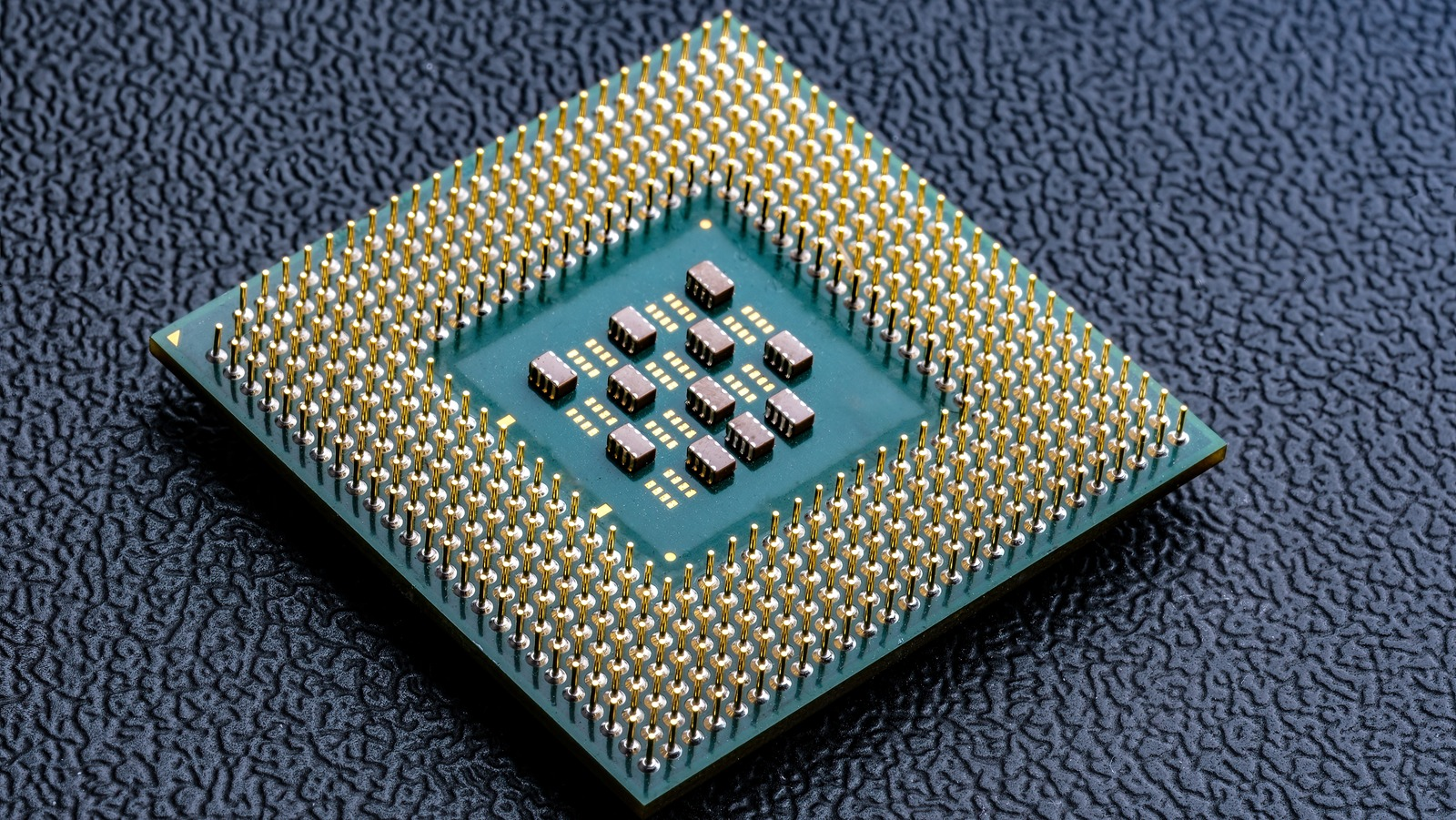
President Donald Trump announced plans to impose a roughly 100% tariff on imported semiconductor chips, aiming to incentivize companies to manufacture in the United States. However, firms that have committed to or are already producing chips on U.S. soil—such as Apple, which pledged an additional $100 billion investment in America—would be exempt from the tariff.

Trump warned that companies making false commitments to build U.S. factories would face retroactive charges if they fail to deliver. His remarks were informal and details on implementation remain unclear, with a formal national security investigation on tariffs expected to conclude by mid-August.

Reactions from the global semiconductor industry and governments varied. South Korea’s trade envoy confirmed that major chipmakers Samsung Electronics and SK Hynix will be exempt under a U.S.-South Korea trade deal. In contrast, officials from the Philippines and Malaysia expressed concern that tariffs would severely harm their industries, risking competitiveness in the U.S. market.

Taiwanese companies, notably TSMC, which have established U.S. manufacturing facilities or partnerships, are expected to avoid significant impact. This benefits key U.S. customers like Nvidia, which plans major investments in American chip production.

Experts note that the tariffs favor large, financially strong firms able to build factories domestically, emphasizing a “survival of the biggest” dynamic. The U.S. government has supported this shift with a $52.7 billion semiconductor subsidy program to boost domestic chip production, which currently accounts for about 12% of global output, down from 40% in 1990.

The European Union has agreed to a 15% tariff on most U.S. exports, including chips, and Japan secured assurances against worse tariffs than other nations on semiconductor products.

Following the announcement, shares of Asian chipmakers with U.S. manufacturing plans rose significantly, reflecting market optimism over tariff exemptions.
Intel Hires Chip Industry Veterans to Drive CEO Tan’s Turnaround Strategy

Intel has announced the hiring of three prominent chip industry veterans on Wednesday, as part of CEO Lip-Bu Tan’s broader plan to restructure leadership and revive the company’s competitiveness. The move aligns with Tan’s push to streamline operations, elevate engineering focus, and boost customer satisfaction in a difficult market environment.

The newly appointed executives — Srinivasan Iyengar, Jean-Didier Allegrucci, and Shailendra Desai — will take on major engineering and technical roles within the company. These hires reflect Tan’s determination to prioritize technical leadership and innovation as Intel seeks to rebuild market confidence and strengthen its foundry ambitions.

  • Iyengar, formerly of Cadence Design Systems, will lead a newly created customer engineering center and report directly to Tan.

  • Allegrucci, previously with Rain AI, will oversee the development of AI System-on-Chip (SoC) engineering.

  • Desai, who joins from Google, will spearhead new AI chip architecture initiatives. Both Allegrucci and Desai will report to Sachin Katti, Intel’s Chief Technology and AI Officer.

Tan, who took the helm in March 2025, has been making bold changes to Intel’s organizational structure, including reducing bureaucracy by flattening leadership layers. He has also restructured the sales team by promoting Greg Ernst, a longtime Intel executive, to Chief Revenue Officer, placing him in charge of global revenue operations.

“Greg, Srini, J-D and Shailendra are highly accomplished leaders… and they will each play important roles as we position our business for the future,” Tan stated.

In addition to executive hires, Intel also reshuffled its board, aiming to bring in more semiconductor-specific expertise. Three existing board members stepped down at the company’s 2025 annual meeting, clearing space for more industry-aligned oversight.

These changes come amid ongoing financial and competitive pressures for Intel, which has struggled to regain its edge against rivals like AMD, NVIDIA, and TSMC. With a renewed emphasis on AI innovation and foundry success, Tan’s leadership marks a decisive shift toward engineering-led transformation.

Taiwan Adds Huawei and SMIC to Strategic Export Control List Amid Security Concerns

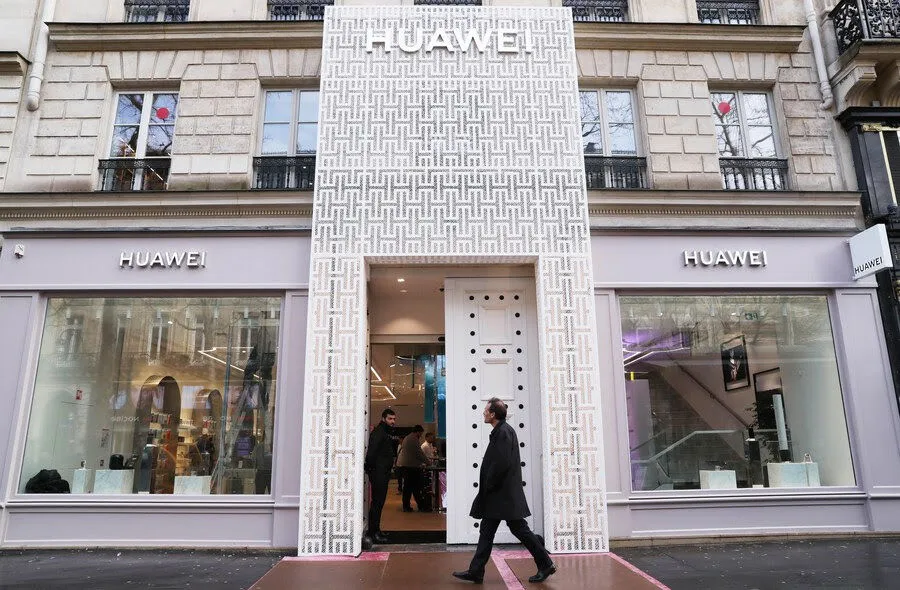
Taiwan has placed China’s tech giants Huawei Technologies and Semiconductor Manufacturing International Corp (SMIC) on its export control list, requiring Taiwanese firms to obtain government approval before exporting any products to these companies.

The additions were part of a recent update to the Ministry of Economic Affairs’ trade administration strategic high-tech commodities entity list, announced on June 10. Alongside Huawei and SMIC, the update included 601 entities from countries such as Russia, Pakistan, Iran, Myanmar, and China, including groups like the Taliban and al Qaeda.

Taiwan’s trade administration stated the review and update were driven by “prevention of arms proliferation and other national security considerations.” It urged manufacturers to comply with export control regulations, fulfill verification obligations, and carefully assess transaction risks.

Taiwan is home to TSMC, the world’s largest contract chipmaker and a key supplier to AI leader Nvidia. Both Huawei and SMIC are pivotal to China’s ambitions in chips and artificial intelligence and have been striving to close the technology gap.

Taiwan already enforces strict chip export controls on Taiwanese companies that manufacture domestically or supply Chinese firms, reflecting ongoing tensions between Taipei and Beijing, which claims Taiwan as its territory.

Huawei is also subject to U.S. export restrictions barring access to American and foreign-made goods involving U.S. technology, including chips manufactured by TSMC. Last year, TSMC was ordered by the U.S. Commerce Department to halt shipments of certain chips to Chinese customers, including Huawei and Sophgo, a Chinese chip designer linked to Huawei’s AI processor.

Taiwan’s government has repeatedly pledged to combat Chinese efforts to steal technology and attract Taiwanese chip talent, emphasizing the strategic importance of the semiconductor sector.

SMIC, China’s largest chipmaker, continues to invest heavily to expand capacity amid U.S. export curbs, aiming to boost China’s domestic semiconductor capabilities.