Yazılar

U.S. Finalizes Up to $6.75 Billion in Semiconductor Awards for Samsung, Texas Instruments, and Amkor

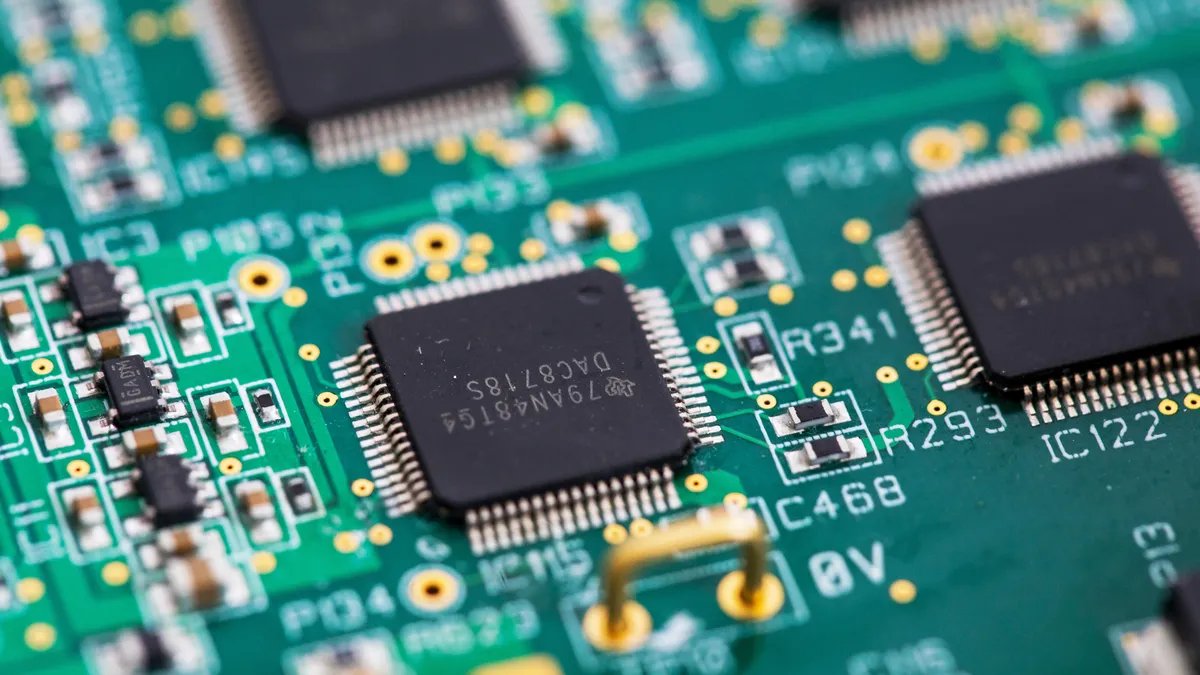
The U.S. Commerce Department announced finalized awards totaling up to $6.75 billion to Samsung Electronics, Texas Instruments, and Amkor Technology, supporting efforts to boost domestic semiconductor production and packaging capabilities. These awards are part of a broader $39 billion subsidy program aimed at strengthening U.S. semiconductor manufacturing.

Samsung Electronics will receive up to $4.745 billion—$1.7 billion less than the initial April estimate of $6.4 billion—reflecting adjusted investment plans. Samsung now plans to invest $37 billion, down from the originally stated $45 billion, in building two chip production facilities, a research center, and a packaging facility by 2030. The Commerce Department stated that the changes were made to align the award with revised market conditions and the company’s updated investment scope.

A Samsung spokesperson noted that the company’s “mid-to-long-term investment plan has been partially revised to optimize overall investment efficiency” without disclosing further details.

Texas Instruments is set to receive up to $1.61 billion, with $900 million allocated to its Texas facilities and $700 million for its operations in Utah. The company has committed over $18 billion through 2029 to construct two factories in Texas and one in Utah, collectively expected to create 2,000 manufacturing jobs.

Amkor Technology will receive up to $407 million to support its $2 billion advanced semiconductor packaging facility in Arizona, which will be the largest of its kind in the United States. The facility will focus on packaging and testing chips for applications such as autonomous vehicles, 5G/6G, and data centers. Apple has been named its first and largest customer, with chips sourced from a nearby Taiwanese Semiconductor Manufacturing Company (TSMC) plant.

Amkor CEO Giel Rutten highlighted the strategic importance of the Arizona plant, calling it a “critical cornerstone” in establishing a robust U.S. semiconductor supply chain.

This announcement follows Congress’s approval in August 2022 of a $39 billion subsidy program, alongside $75 billion in government lending authority, to bolster the semiconductor industry. The Commerce Department has now finalized over $33 billion of the $36 billion in proposed incentive funding.

Earlier this week, the Commerce Department also finalized $458 million for SK Hynix’s Indiana facility and previously confirmed up to $7.86 billion for Intel, down slightly from an initial $8.5 billion estimate due to separate Pentagon funding for Intel projects.

Commerce Secretary Gina Raimondo underscored the significance of these investments, noting that “the U.S. is now officially the only country on the planet that is home to all five leading-edge semiconductor manufacturers.”
 

U.S. Finalizes $406 Million Chips Subsidy for Taiwan’s GlobalWafers

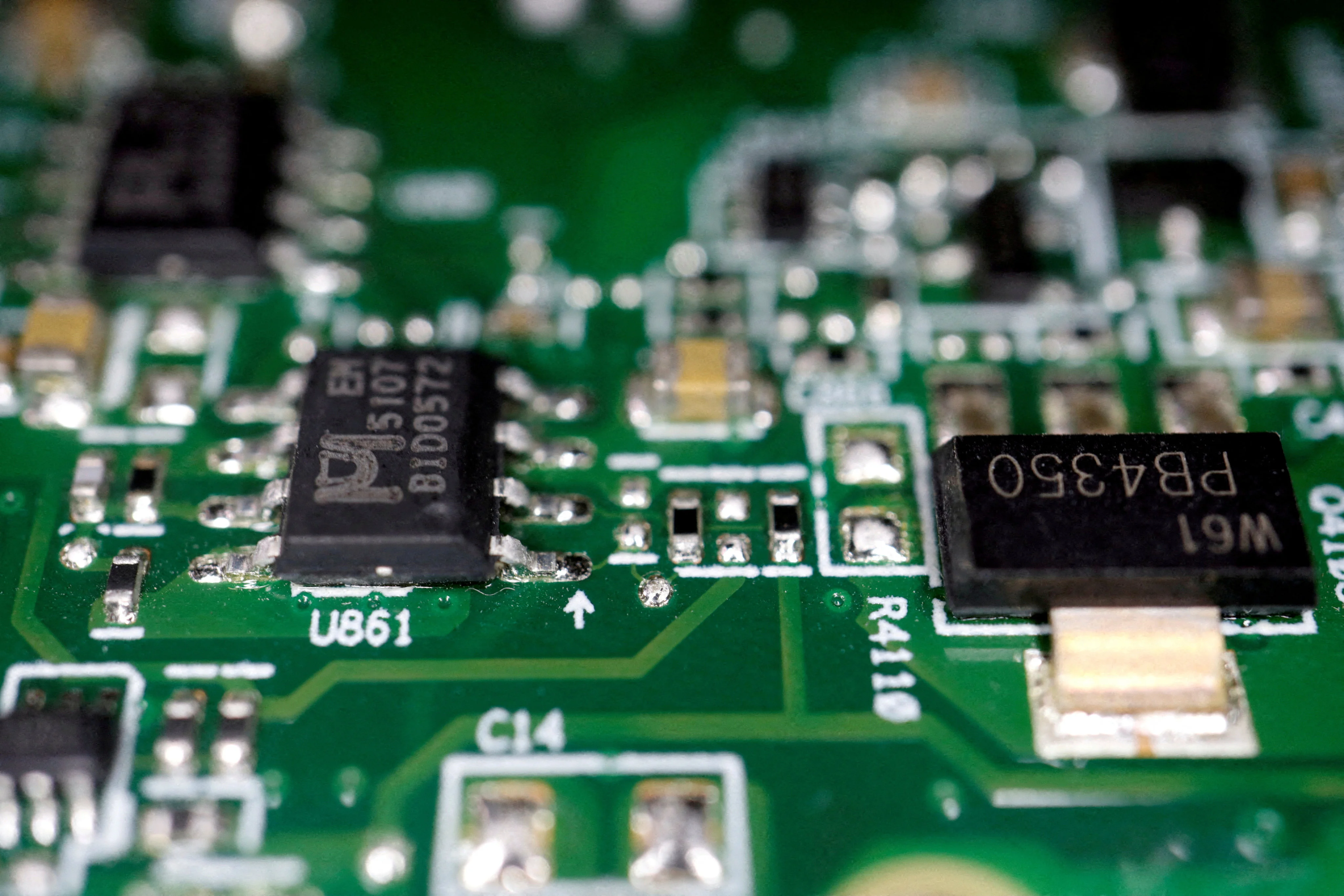
The U.S. Commerce Department announced on Tuesday that it has finalized a $406 million government grant to Taiwan’s GlobalWafers to boost silicon wafer production in the United States. This investment is part of the U.S. government’s broader efforts to strengthen the domestic semiconductor supply chain.

Expansion of U.S. Production

The grant will fund projects in Texas and Missouri, aimed at establishing the first high-volume U.S. production of 300-mm silicon wafers, a critical component for advanced semiconductors. Additionally, the funds will support the expansion of silicon-on-insulator wafers production. These wafers are essential for the manufacture of cutting-edge chips, aligning with the Biden administration’s initiative to enhance the U.S. semiconductor industry.

GlobalWafers plans to invest nearly $4 billion to build new wafer manufacturing facilities in both states. This expansion is expected to create 1,700 construction jobs and 880 manufacturing jobs. The company’s move comes at a time when the U.S. is looking to reduce its dependence on foreign-made chips and strengthen its domestic production capabilities.

Strategic Localization Amid Global Supply Chain Challenges

CEO Doris Hsu of GlobalWafers expressed the strategic importance of localizing production, especially given the current global semiconductor supply chain challenges. She highlighted that local supply in high-demand regions, like the U.S., will be prioritized, as it is more likely to be supported by local customers.

Hsu also acknowledged the potential uncertainties regarding the U.S. CHIPS Act with the incoming Trump administration, which will take office next month. However, she expressed confidence in the continuation of the initiative, noting that the CHIPS Act had its origins during Trump’s first term. While the company is legally protected by contracts, Hsu pointed out that tariffs and potential new policies could still affect the company’s operations and supply chain.

Global Wafer Production and U.S. Investment

GlobalWafers’ decision to invest in the U.S. aligns with its broader strategy to address the growing demand for semiconductors. In 2022, the company announced plans to build a $5 billion plant in Texas to produce 300-mm silicon wafers, a shift from its original plan to invest in Germany.

Currently, five major companies, including GlobalWafers, control over 80% of the global market for 300-mm silicon wafers, with the majority of production still concentrated in East Asia. The company is expanding its presence in the U.S. with a new plant in Sherman, Texas, to manufacture wafers for advanced, mature-node, and memory chips, as well as a new facility in St. Peters, Missouri, to produce wafers for defense and aerospace applications.

Urgency to Finalize CHIPS Act Awards

The U.S. Commerce Department is working swiftly to finalize grants under the CHIPS and Science Act, a semiconductor manufacturing and research subsidy program that was approved in 2022 with a budget of $52.7 billion. The department aims to complete these awards before Trump’s inauguration on January 20.


Harris Emphasizes Manufacturing in Michigan to Counter Trump’s Economic Advantage

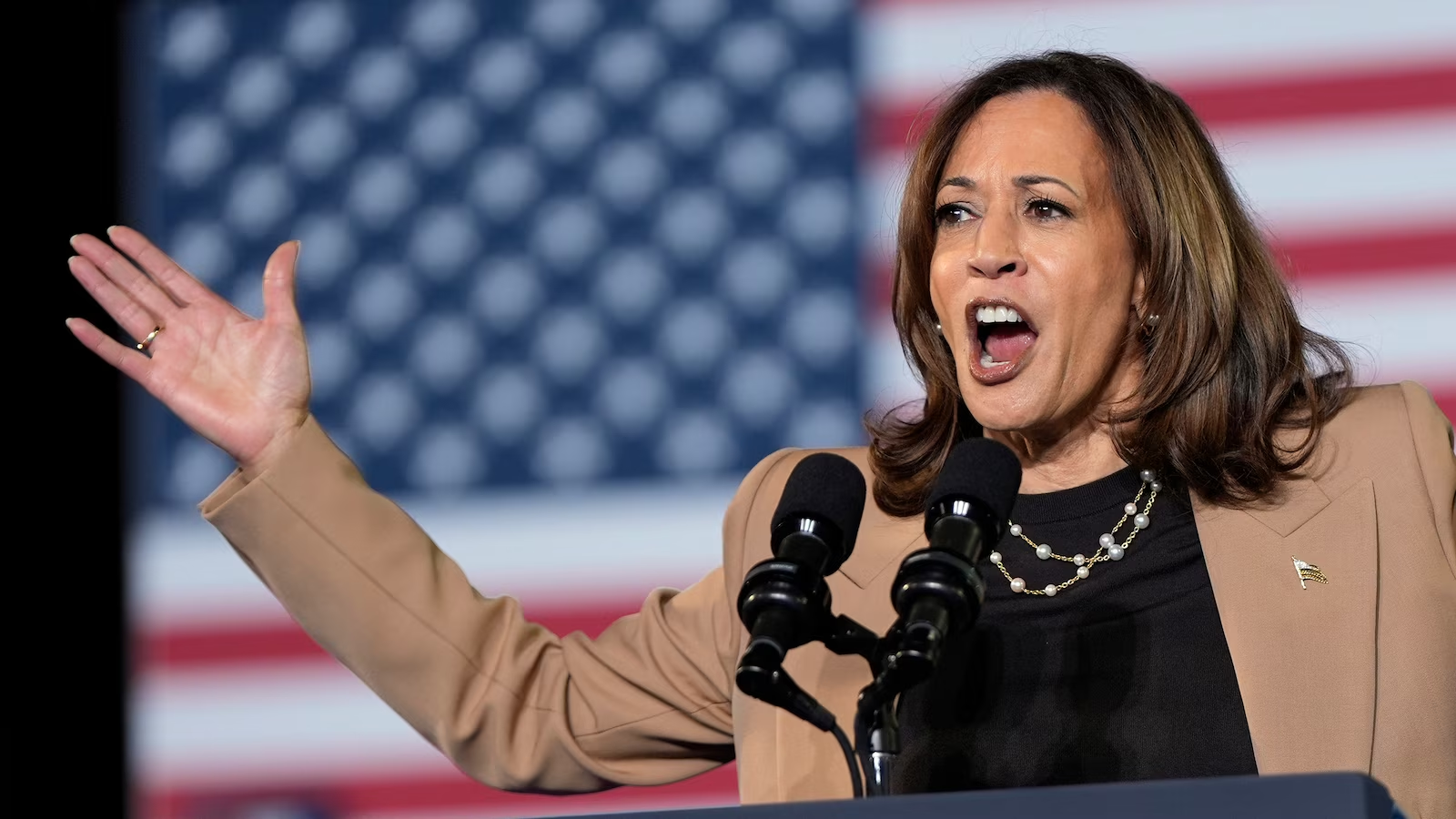
In a bid to strengthen her position ahead of the upcoming election, Vice President Kamala Harris focused on manufacturing during her visit to Michigan on Monday. Speaking at the Hemlock Semiconductor manufacturing center, she aimed to challenge former President Donald Trump’s lead in economic polling.

Key Highlights:

  • Criticism of Trump’s Record: Harris accused Trump of compromising U.S. security by selling advanced chips to China during his presidency. She emphasized that prioritizing America’s security and economic prosperity should be central to any presidential agenda.
  • CHIPS Act Advocacy: Highlighting the Biden administration’s investment in domestic semiconductor production, Harris pointed out that the Hemlock facility benefited from a $325 million investment under the CHIPS and Science Act. She praised the act for creating tax credits that incentivize private sector investments in U.S. manufacturing.
  • Polling Context: Recent polling from CNBC indicated that 46% of respondents believed Trump would be better for the economy, compared to 38% for Harris. In battleground states, Trump held an 8-point lead, reflecting the challenges Harris faces in changing public perception.
  • Campaign Strategy: Harris’s Michigan visit is part of a broader campaign strategy targeting battleground states. She has a packed schedule, including stops in Pennsylvania, North Carolina, Wisconsin, Arizona, and Nevada.

Differing Manufacturing Visions:

  • Trump’s Approach: Trump has proposed repealing the Inflation Reduction Act and criticized the CHIPS Act. He suggested implementing a universal tariff policy on imports to boost domestic manufacturing, which he refers to as a primary strategy.
  • Harris’s Strategy: In contrast, Harris promotes increasing manufacturing through tax credits and government subsidies across sectors such as artificial intelligence, clean energy, and automotive manufacturing. She criticized Trump’s tariff proposal, labeling it a “Trump sales tax” due to concerns over rising consumer prices.

Upcoming Engagements:

Following her speech, Harris plans to visit a labor union training facility and attend a rally with her running mate, Minnesota Governor Tim Walz, in Ann Arbor, as she continues her campaign push in key states leading up to the Nov. 5 election.