Yazılar

Trump Accuses Taiwan of Undermining U.S. Chip Industry: Election Impacts on Semiconductor Sector

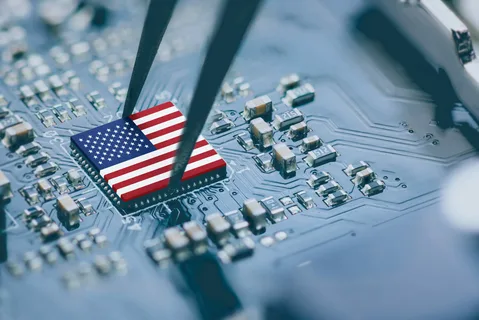
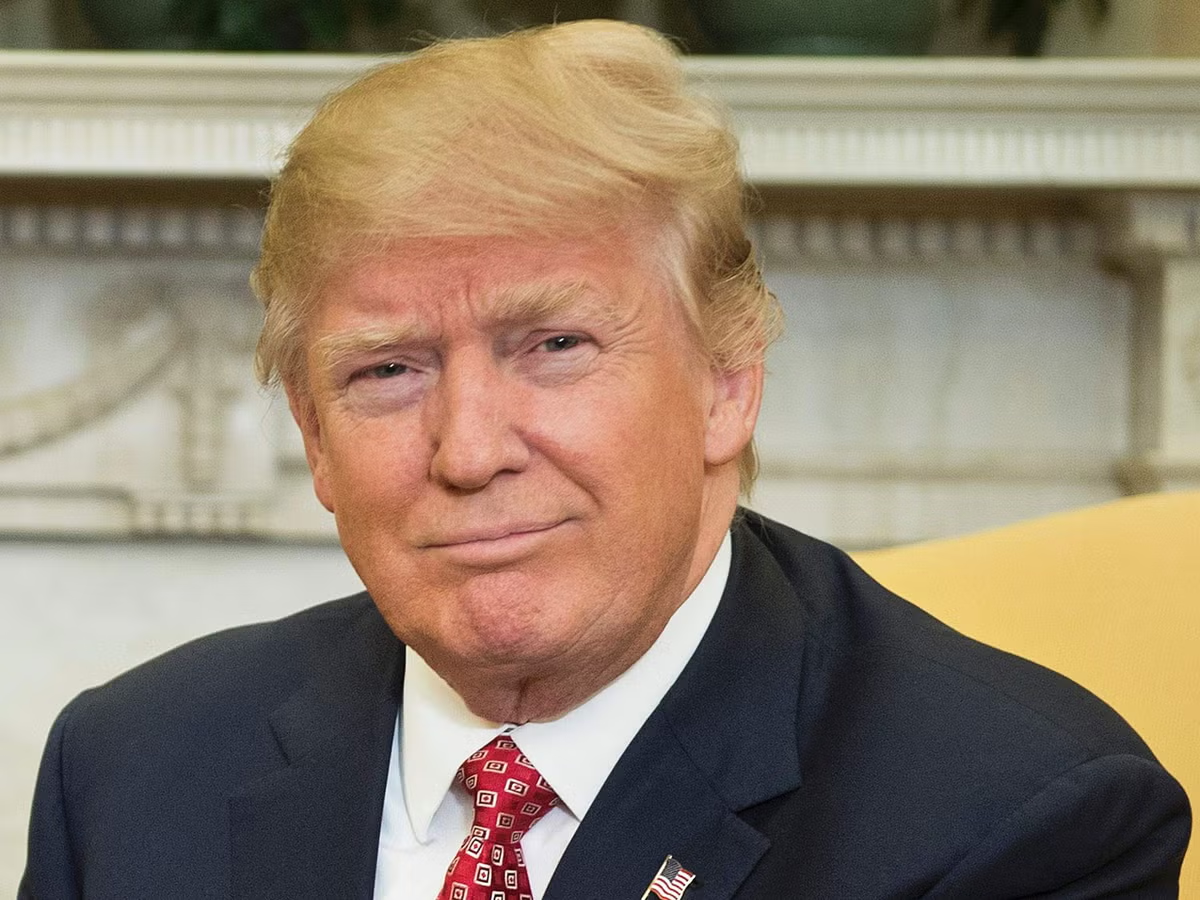
In a recent appearance on the Joe Rogan Experience podcast, former President Donald Trump criticized Taiwan, accusing it of “stealing” the U.S. semiconductor business. Trump argued that Taiwan has leveraged its chip production dominance unfairly, targeting Taiwan Semiconductor Manufacturing Company (TSMC), the world’s leading chipmaker and a crucial supplier for companies like Nvidia and Apple. Trump’s remarks come amid heightened geopolitical tensions with China, which regards Taiwan as part of its territory and has increased military activities around the island.

Shares of TSMC dropped by 4.3% following Trump’s comments and renewed his stance on imposing tariffs on Taiwanese chip imports if elected. Analysts warn that tariffs could significantly impact TSMC and the U.S. tech industry’s reliance on Taiwanese chip production.

Impact on the Semiconductor Supply Chain

Taiwan manufactures over 90% of advanced semiconductors, with tech giants like Amazon, Google, and Microsoft sourcing chips from TSMC. Despite U.S. efforts to bolster its own semiconductor infrastructure through the CHIPS Act, which allocates funding to domestic production, alternatives to TSMC’s advanced production capacity remain limited. U.S.-based Intel has faced delays and competition challenges, although its new U.S. foundries are expected to benefit from CHIPS Act funding.

The Biden administration has directed nearly $7 billion from the U.S. Commerce Department toward TSMC’s Arizona facility, expected to start volume production by 2025. However, Trump’s comments on foreign companies potentially misusing U.S. funds reflect concerns over U.S. reliance on Taiwan’s chip output.

Tariff and Trade War Implications

Trump’s proposal for tariffs on Taiwanese chips could create cost increases across the chip supply chain. Citi analysts estimate that implementing tariffs would require complex audits, given the variety of chips across thousands of devices. Historically, similar tariffs led to increased costs and broader trade tensions, which, according to Moor Insights & Strategy CEO Patrick Moorhead, could elicit retaliatory tariffs from China. A new trade war might strain U.S.-China relations and further restrict companies like Micron, which already face barriers in the Chinese market.

Despite Trump’s stance, experts warn that even a victory by Vice President Kamala Harris would not exempt the industry from trade restrictions. Under the Biden administration, stringent export controls on semiconductor sales to China were implemented, particularly affecting Nvidia, whose revenue from China plummeted after controls reduced its China sales share from 25% to under 10%.

Outlook for U.S. Semiconductor Strategy

Trump’s criticisms reflect broader calls for self-reliance within the semiconductor sector, mirroring concerns over U.S. vulnerability due to Taiwan’s dominance in chip manufacturing. Proposals to further support domestic companies like Intel, Texas Instruments, and Global Foundries align with Trump’s America-first trade strategy, which could prioritize U.S. fabs and incentivize domestic chip production if he is re-elected.

U.S. tech markets remain volatile amid these policy uncertainties. Following Trump’s comments, semiconductor stocks reacted, with TSMC declining and U.S.-based chipmakers showing gains on the prospect of potential government backing. However, tariffs and trade restrictions could have sweeping consequences, potentially leading to higher costs and supply chain disruptions for the global tech sector.
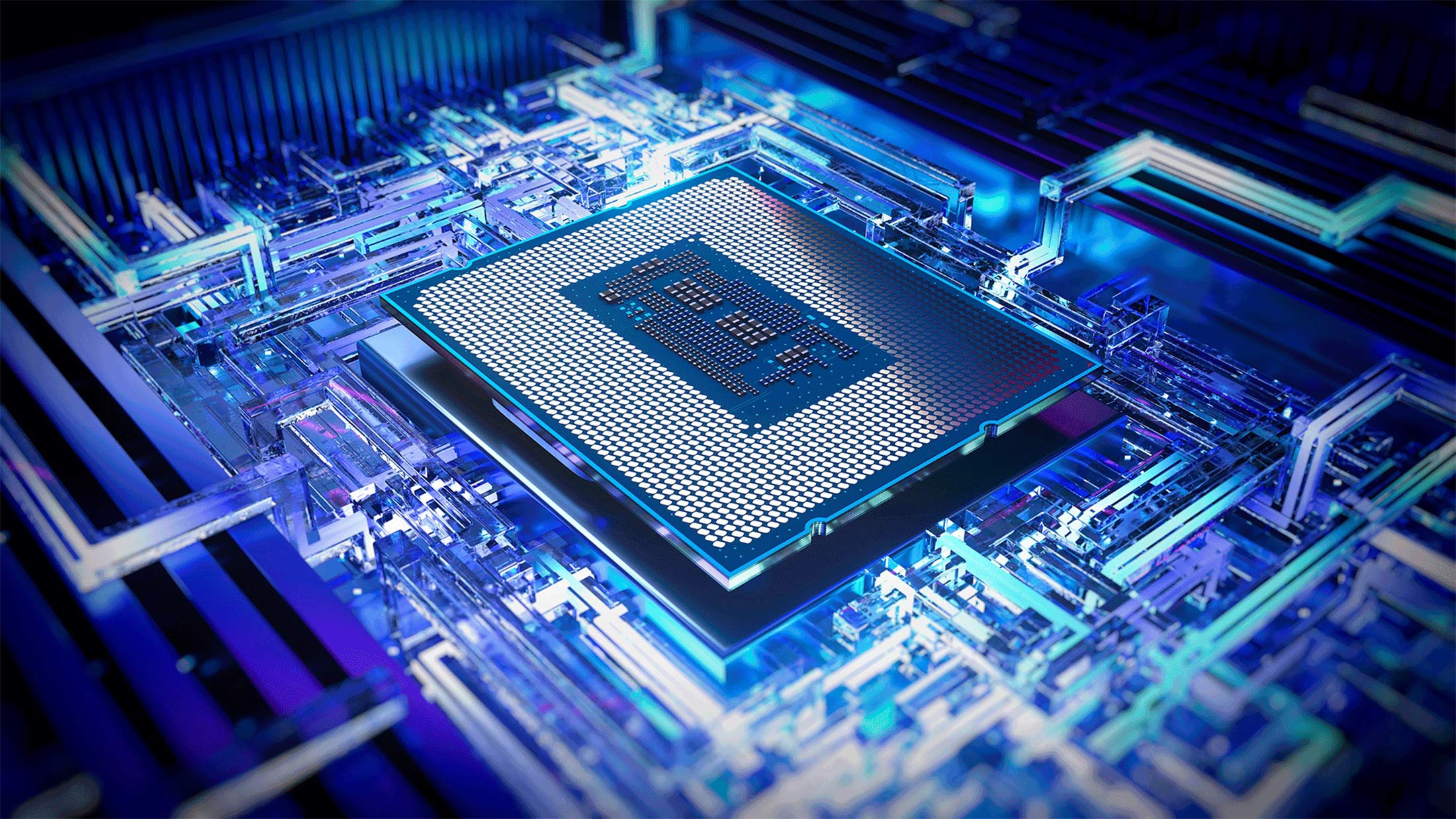
Intel Faces Uncertainty Amid Major Changes and Potential Takeover Talks

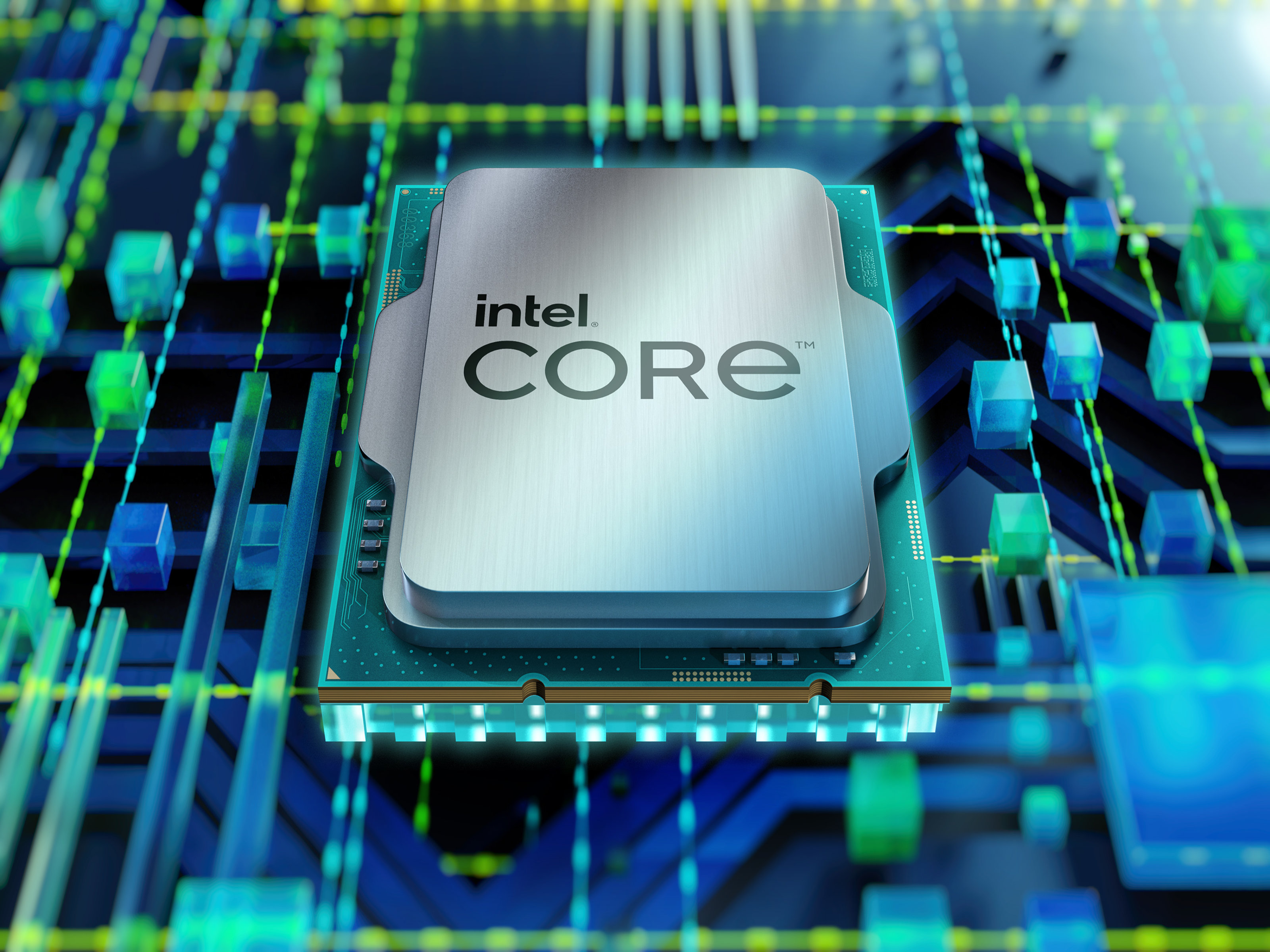
Intel had a tumultuous week, stirring both excitement and concern on Wall Street about the company’s future. The chipmaker, which has lost over half its value in the last two years, saw its stock rise 11%, its best week since November. The surge followed major announcements, including the separation of its manufacturing division from its core business of designing and selling processors.

The week culminated with reports that Qualcomm had approached Intel about a potential takeover, which could become one of the largest deals in tech history. While it remains unclear if Intel has engaged in any formal discussions with Qualcomm, both companies have declined to comment.

Intel’s CEO Pat Gelsinger, who has faced numerous challenges since taking over in 2021, has expressed his intention to maintain Intel’s independence. He insists that the company’s manufacturing and design divisions are “better together” but revealed a new governance structure for the foundry business. This move is aimed at attracting outside capital and reassuring investors of Intel’s commitment to serious changes as it embarks on a complex revival plan.

Intel is tasked with addressing two significant hurdles: investing over $100 billion through 2029 to build chip factories in four U.S. states, while also making inroads into the booming AI market, currently dominated by competitors like Nvidia. Gelsinger has made a bold bet on Intel’s foundry business, hoping that increased domestic manufacturing will appeal to U.S. chipmakers concerned about reliance on Taiwan Semiconductor Manufacturing Company (TSMC) and Samsung.

Despite these efforts, Intel’s core business of producing processors for PCs, laptops, and servers continues to struggle, losing market share to competitors like Advanced Micro Devices (AMD) and facing steep revenue declines. Intel’s client computing and data center divisions have both seen significant drops in revenue, while its AI initiatives have yet to make a substantial impact.

Picture background

The separation of the foundry business is seen as a way to attract more external customers, as many companies are hesitant to partner with Intel due to concerns about intellectual property. Despite landing Amazon as a customer for a networking chip, meaningful sales from external clients are not expected until 2027. Intel’s foundry efforts face stiff competition from TSMC, which currently manufactures chips for companies like Nvidia, Apple, and Qualcomm.

The U.S. government has emerged as Intel’s most significant supporter. The Biden administration awarded the company $8.5 billion under the CHIPS Act to bolster domestic chip production, with the possibility of an additional $11 billion in loans. This financial backing aims to reduce U.S. dependence on foreign semiconductor manufacturers. Intel has also secured $3 billion in funding to build chips for military and intelligence agencies in a classified program.

Even as Intel navigates these challenges, analysts remain skeptical about its long-term prospects. Gelsinger’s decision to maintain Intel as a unified entity could lead to a future spin-off of the foundry division, according to some market experts. JPMorgan Chase analysts have suggested that separating the two businesses could ultimately lead to a more favorable outcome for Intel in the coming years.

Despite this week’s developments, Intel still faces a steep road ahead. Its PC and server chip divisions continue to experience declining revenues, and the company is struggling to compete in the AI chip market, which Nvidia currently dominates. With Intel’s main businesses under pressure and its foundry ambitions years away from delivering results, investors are left wondering if the chipmaker can regain its former dominance or if more drastic measures are needed.


Trump Accuses Taiwan of Stealing U.S. Chip Industry; Experts Say Taiwan’s Growth is Organic

Former President Donald Trump recently claimed that Taiwan had effectively stolen America’s semiconductor industry, asserting that the island democracy had taken “almost 100%” of the market from the U.S. Trump suggested that this loss was a grave error and that Taiwan should pay for American defense support.

However, industry experts dispute this assertion. Taiwan’s semiconductor success is attributed to its strategic vision and innovative business model, not theft. Morris Chang, the founder of Taiwan Semiconductor Manufacturing Company (TSMC), established the company in 1987 after a distinguished career in the U.S. semiconductor industry. Chang’s vision was revolutionary—creating a “pure-play foundry” model focused solely on manufacturing chips designed by other companies.

This approach transformed the global chip sector. Today, Taiwan produces over 90% of the world’s advanced semiconductors, according to the Semiconductor Industry Association. TSMC’s success is built on its ability to scale production, invest heavily in R&D, and maintain efficiency. The company’s recent opening of a global R&D center in Hsinchu further underscores its commitment to advancing chip technologies.

Experts highlight that Taiwan’s achievements are rooted in its effective contract manufacturing model, skilled engineers, and a supportive tech ecosystem. While Intel and Samsung are attempting to replicate TSMC’s success, Taiwan’s advantages remain challenging to duplicate.

In response to Trump’s remarks, Taiwanese Premier Cho Jung-tai emphasized that Taiwan remains committed to maintaining its R&D capabilities domestically. This stance underscores the strategic importance of Taiwan’s semiconductor industry amid growing geopolitical tensions, including the risk of Chinese aggression.

The ongoing U.S.-China rivalry and chip shortages during the pandemic have prompted the U.S. to seek greater domestic chip production through initiatives like the CHIPS and Science Act. As TSMC expands its operations with new factories in Arizona, it faces challenges integrating its operations into different cultural and regulatory environments.

Experts advise that fostering a cooperative relationship between Taiwan and the U.S. could benefit both sides, ensuring stability and progress in the global semiconductor industry.