Yazılar

Elon Musk’s Contradictory Stance: Supporting Trump While Lobbying for EV Subsidies

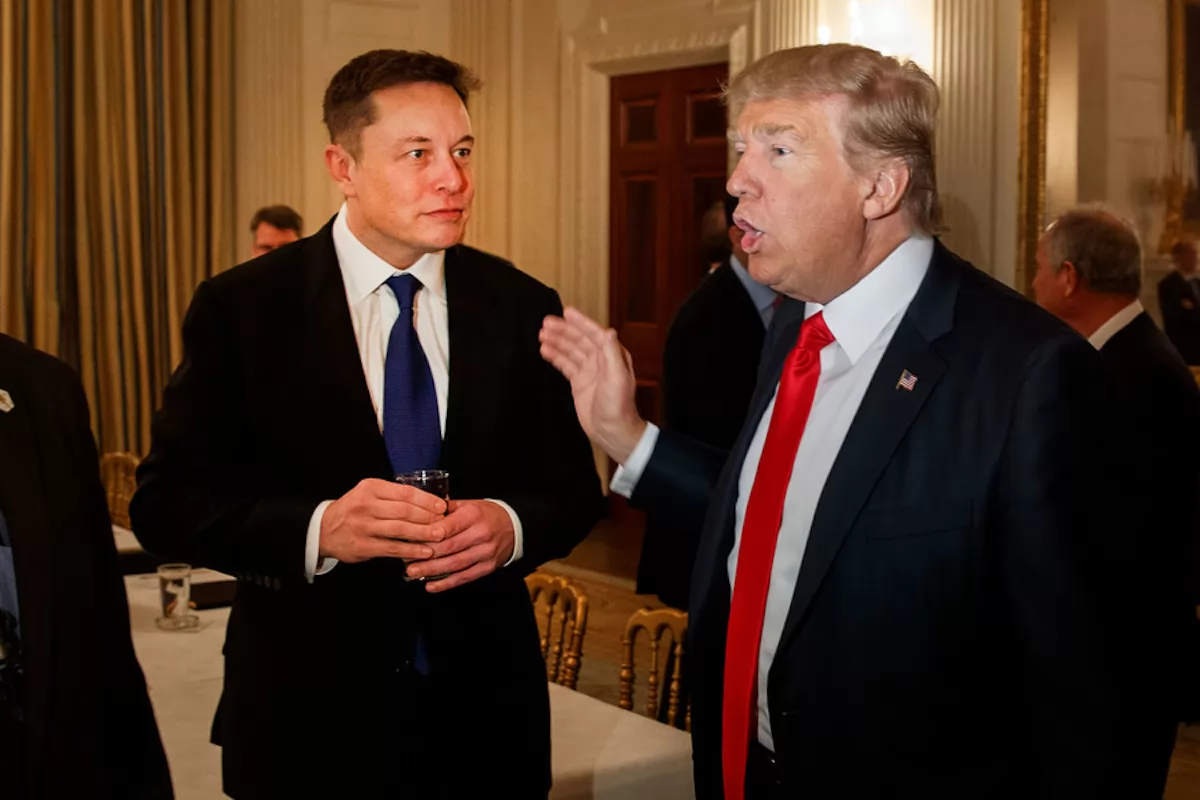
Elon Musk, the CEO of Tesla, has increasingly aligned himself with former President Donald Trump, endorsing his candidacy and embracing some of his political rhetoric. However, this alignment contrasts sharply with the ongoing efforts by Tesla to secure government benefits, particularly those associated with the Democratic Party’s environmental policies. Despite Musk’s public endorsement of Trump, who has vowed to “end the electric vehicle mandate” and reduce subsidies, Tesla continues to lobby for regulations and benefits that have been instrumental in its success as a leading electric vehicle manufacturer.

Tesla’s reliance on government support has been crucial to its rapid growth. From a $465 million loan from the U.S. Department of Energy that helped establish its first major manufacturing facility to the nearly $9 billion earned since 2018 through the sale of regulatory credits, Tesla’s financial success is deeply intertwined with government policies designed to promote cleaner energy. These credits, awarded for surpassing emissions standards, have been a significant revenue stream for Tesla, as they can be sold to other automakers that fail to meet these standards.
Musk’s support for Trump raises questions about his motivations, especially given that the former president’s policies often contradict the interests of the electric vehicle industry. Critics argue that Musk’s stance is a pragmatic one, driven by a willingness to accept public money if available, even if it conflicts with his broader ideological beliefs. This approach is evident in Tesla’s continued lobbying efforts, which have included advocating for stricter emissions regulations and the phaseout of gasoline-powered vehicles—policies that are at odds with Trump’s views.

The dissonance between Musk’s public statements and Tesla’s lobbying activities has drawn scrutiny. While Musk has criticized subsidies and expressed support for free markets, Tesla has continued to benefit from government incentives. This contradiction extends to other areas as well, including Musk’s shifting views on climate change and identity politics, where he has distanced himself from progressive platforms while Tesla maintains a corporate stance that aligns with those values.

Ultimately, Musk’s actions suggest a complex balancing act between his personal beliefs, business interests, and long-term ambitions. As Tesla continues to shape public policy in favor of electric vehicles and clean energy, Musk’s relationship with Trump and the Republican Party remains a point of tension, highlighting the challenges of navigating the intersection of business and politics in a rapidly changing world.


 

The Hidden Risks of Mold: A Coverage Gap That Surprises Homeowners

When Brandi Schmitt’s Maryland home was battered by a nor’easter in 2018, the aftermath turned her life upside down. The storm led to significant wind and water damage, which eventually morphed into a more insidious problem: mold. Despite having insurance and even paying for extra coverage, Schmitt found herself in a protracted battle with her insurer, USAA, over the mold damage. The ordeal left her home uninhabitable and her family struggling with health issues.

Schmitt’s experience highlights a significant coverage gap that continues to surprise homeowners: mold damage is often not fully covered, or is excluded entirely, from standard homeowners insurance policies. This gap stems from a shift in the insurance industry that began decades ago, prompted by high-profile lawsuits and the costly nature of mold remediation.

A Shift in the Insurance Landscape

In the early 2000s, several high-profile lawsuits, most notably the Ballard v. Farmers Insurance Group case in Texas, sent shockwaves through the insurance industry. A jury initially awarded $32 million to the homeowner in a mold-related case, later reduced to $4 million. The size of the verdicts, coupled with the uncertainty around health risks associated with mold and the high cost of remediation, led insurers to swiftly cap or exclude mold coverage from policies.

“We called it at the time a mold stampede,” said Amy Bach, executive director of United Policyholders, reflecting on how insurers reacted by pulling back on mold coverage.

Limited Coverage and Surprises for Homeowners

Today, most standard homeowners insurance policies exclude mold damage unless it is the result of a covered peril, such as a sudden pipe burst. However, if mold develops over time due to ongoing leaks or poor maintenance, it typically won’t be covered. Some insurers offer limited mold coverage as an add-on, but these caps often fall far short of the actual cost of remediation, which can run into tens of thousands of dollars.

For instance, USAA offers up to $15,000 in mold coverage under certain conditions, while Nationwide caps its coverage at $10,000 for mold damage caused by covered incidents. However, these limits can be insufficient, as mold remediation can easily exceed these amounts, especially in severe cases.

The policy language around mold coverage can be convoluted and difficult for homeowners to understand. Insurance experts recommend that homeowners carefully review their policies and consider consulting a professional to fully understand what is and isn’t covered.

The Impact of Climate Change

The increasing frequency and severity of storms, driven by climate change, are likely to exacerbate the problem. Water damage, including mold, accounted for 27.6% of homeowners insurance losses in 2022, according to the Insurance Services Office. As severe weather events become more common, the risk of mold damage is expected to rise, putting more homeowners at risk of discovering too late that their insurance doesn’t fully cover mold-related costs.

Insurance companies are closely monitoring the broader impact of climate change on the industry, but specific coverage for mold remains limited. Insurers have the right to not renew policies based on prior claims, including those for mold, which adds another layer of risk for homeowners who make such claims.

The Aftermath for Homeowners

Six years after the storm, Schmitt’s home remains uninhabitable. Despite her efforts to secure coverage, her family has been left to deal with the aftermath, including health issues and ongoing legal battles with their insurer. Schmitt’s case is a stark reminder of the importance of understanding insurance coverage and the potential pitfalls that homeowners may face when dealing with mold damage.

For many homeowners, the discovery that their policy doesn’t fully cover mold can be a costly surprise. As weather patterns continue to shift, the need for clear and comprehensive insurance coverage becomes increasingly important, especially in areas prone to severe weather.


Lyme Disease: Rising Incidence and Diagnostic Challenges

Overview:
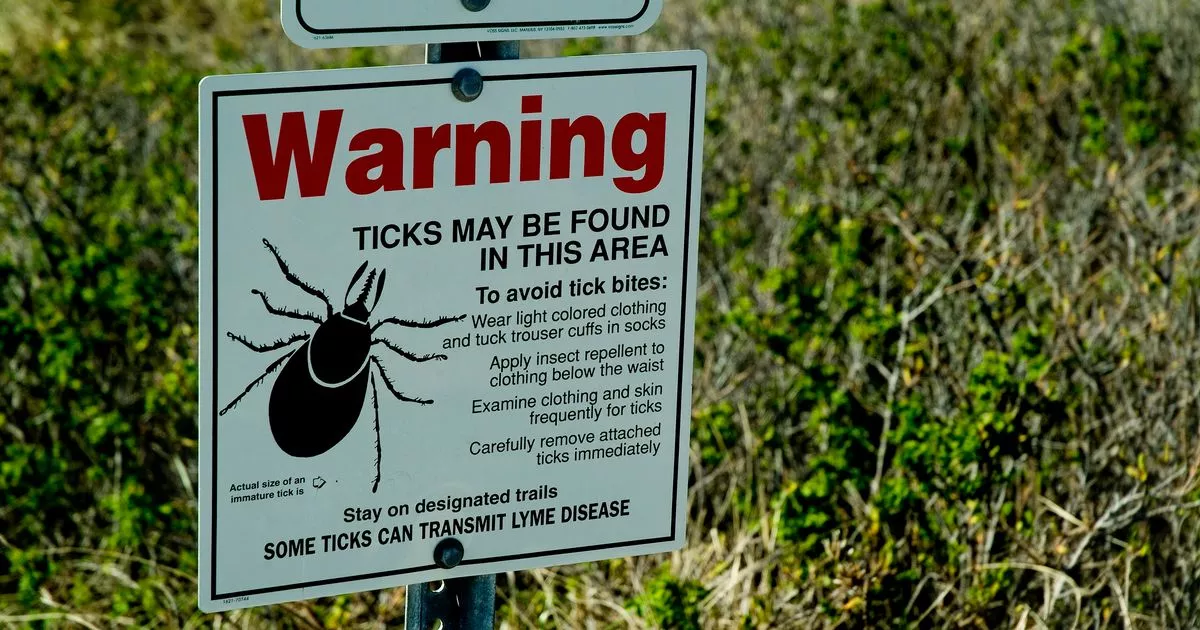
Lyme disease, caused by the bacterium Borrelia burgdorferi, is increasingly common due to climate change. Transmitted by tick bites, it can present a wide range of symptoms that often complicate diagnosis and treatment.

Transmission:
Ticks, tiny arachnids, transmit Lyme disease by injecting the bacteria into the bloodstream through a bite, often unnoticed due to their secretion of an anti-inflammatory substance.

Symptoms:

Early Symptoms:
• Erythema migrans (an expanding rash that often resembles a bullseye but can vary in appearance)
• Flu-like symptoms (fever, chills, headache, fatigue)
• Advanced Symptoms:
• Joint pain and swelling
• Neurological issues (facial paralysis, meningitis, peripheral neuropathy)
• Heart problems
• Severe fatigue
• Pins and needles in extremities

Diagnostic Challenges:
Physicians often struggle with diagnosing Lyme disease due to:

1. Variable Rash Presentation: The characteristic bullseye rash can appear differently, especially on dark skin, and is sometimes mistaken for other conditions like ringworm.
2. Symptom Diversity: Lyme disease affects multiple body systems, leading to symptoms that mimic other conditions, making diagnosis complex.
3. Early Misdiagnosis: Many patients, like Welsh rapper Ren, experience misdiagnoses such as bipolar disorder or chronic fatigue syndrome before being correctly identified as having Lyme disease.

Case Example:
A personal account describes an expanding rash that was misdiagnosed multiple times by medical professionals due to its non-bullseye appearance, delaying appropriate treatment.

Treatment:
When diagnosed early, Lyme disease is typically treated with antibiotics, leading to full recovery. However, delays in treatment can result in chronic symptoms requiring ongoing management.

Awareness and Education:
Improving awareness and education among medical practitioners about the varied presentations of Lyme disease is crucial for timely and accurate diagnosis and treatment.

Conclusion:
As Lyme disease becomes more prevalent, understanding its diverse symptoms and improving diagnostic approaches are essential to prevent long-term health issues and ensure effective treatment.