Yazılar

Silicon Valley’s Wish-List for Kamala Harris: Abortion Rights, Tech-Savvy Policies, and AI Leadership

Silicon Valley venture capitalists have outlined their policy priorities as they rally behind Kamala Harris in her presidential bid. A survey of 225 venture capitalists, who signed a letter of support for Harris, revealed a shared focus on key issues like abortion rights, climate change, and tech-friendly regulations. Nearly all participants opposed the Supreme Court’s decision to overturn Roe v. Wade, viewing the ruling not just as a social issue but as a business concern affecting women’s workplace equity.

Harris, with deep ties to California and the tech sector, is seen as a pro-technology candidate, fostering optimism among industry leaders who are eager to see the U.S. adopt more progressive AI regulations. Participants in the survey overwhelmingly supported the need for leaders well-versed in emerging technologies like AI and cryptocurrency, with nearly 97% emphasizing the importance of having knowledgeable regulators. Additionally, a substantial 94% advocated for expanding H-1B visas to attract more high-skilled international talent to the tech industry.

The venture capitalists’ support for Harris reflects nostalgia for the Obama administration, which fostered a positive relationship with Silicon Valley. In contrast, the Biden administration has taken a tougher stance, exemplified by the Federal Trade Commission’s efforts to curb alleged monopolistic practices by companies like Amazon and Microsoft. Some venture capitalists hope that Harris, if elected, will take a more pro-business approach, potentially replacing FTC Chair Lina Khan.

Picture background

Notably, Harris’ stance on artificial intelligence has attracted significant attention. Her campaign has positioned the U.S. as a leader in AI innovation, and Harris has secured voluntary commitments from tech companies regarding AI development. The tech industry is eager for the U.S. to adopt comprehensive AI legislation, similar to Europe, while avoiding overly prescriptive regulations that could stifle innovation.

Harris has also received substantial financial backing from the tech community. A recent fundraiser in San Francisco raised over $12 million for her campaign. Prominent figures like LinkedIn co-founder Reid Hoffman and Kieran Snyder, who helped lead the “VCs for Kamala” initiative, have actively supported her bid, signaling confidence in her ability to drive pro-innovation policies.

However, Harris is not the only candidate with tech industry support. Former President Donald Trump has garnered backing from figures like Tesla CEO Elon Musk and venture capitalists Marc Andreessen and Ben Horowitz. Trump’s running mate, venture capitalist J.D. Vance, has built a network of tech donors aiming to push the U.S. to the right, promoting free speech and rolling back Biden’s AI executive order.

As the race continues, Silicon Valley remains divided, but Harris’ tech-focused policies and her history of engagement with the industry have positioned her as a favored candidate among many venture capitalists who are eager to see a more business-friendly administration.
Climate Change Behind Mass Disappearance of Alaskan Snow Crabs, Scientists Reveal

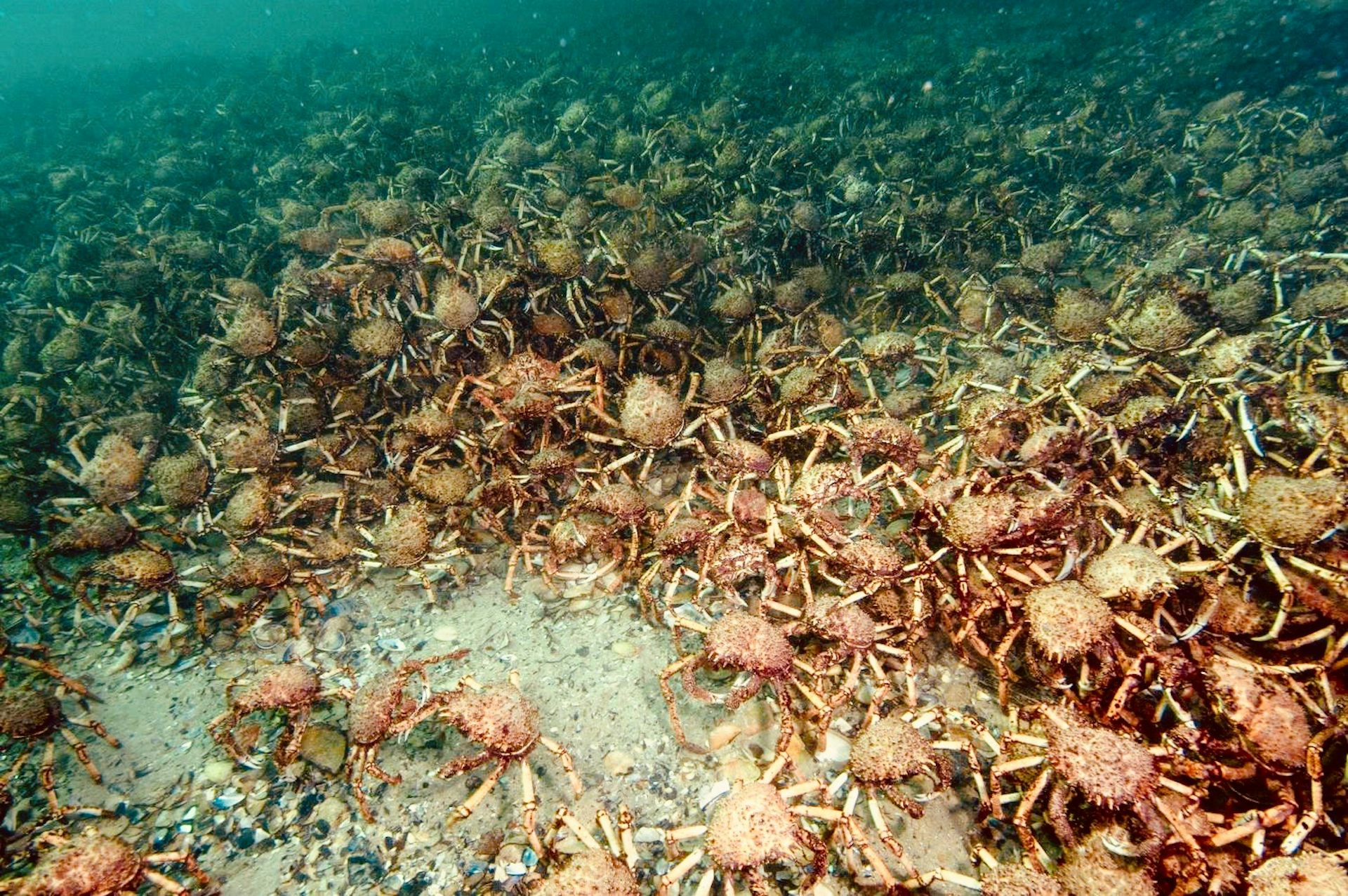
Scientists have uncovered more evidence explaining the mysterious disappearance of billions of snow crabs from the Bering Sea in 2022. According to new research from the National Oceanic and Atmospheric Administration (NOAA), the sudden collapse of the population wasn’t due to overfishing, but to the region’s rapidly warming waters. These temperature shifts pushed the crabs’ metabolism into overdrive, leading to mass starvation.

A new study highlights that parts of the Bering Sea are transforming from Arctic to sub-Arctic conditions, an event now 200 times more likely due to human-induced climate change. This marks a drastic shift for the ecosystem, which has long been dependent on the frigid temperatures and icy waters that species like the snow crab require to thrive.

Snow crabs are an Arctic species that prefer waters below 2°C but can tolerate up to 12°C. However, a marine heat wave in 2018-2019 raised temperatures significantly, accelerating the crabs’ metabolism without providing enough food to sustain them. This caused the devastating population collapse, a blow to Alaska’s snow crab fishery, which once generated up to $227 million annually.

Beyond the crabs, the study signals a broader transformation of the region’s ecosystem. Warming waters and receding sea ice have begun to push traditional Arctic species out, while enabling new, warmer-water species like Pacific cod to move in, exacerbating the decline of snow crabs by preying on them.

This drastic change reflects the Arctic’s rapid warming, which scientists note is happening four times faster than the global average. Fisheries, once dependent on cold-water species, now face new challenges. NOAA’s researchers stress that the industry must quickly adapt to these ongoing environmental changes, incorporating new technologies such as drones and artificial intelligence to monitor shifting ecosystems.

The collapse of the snow crab population serves as a bellwether for what’s to come, underscoring the profound and wide-ranging impacts of climate change on both the environment and livelihoods in the region.

Startup Revolutionizes Methane Mitigation with Microbes, Partners with Whole Foods for Climate-Friendly Products

In the ongoing battle against global warming, the focus has often been on reducing carbon emissions. However, methane, while less prevalent, is significantly more harmful due to its high efficiency in trapping heat. Addressing methane emissions is crucial for achieving global climate goals. Enter Windfall Bio, a California-based startup pioneering a novel approach to methane reduction that could have a substantial impact on the environment.

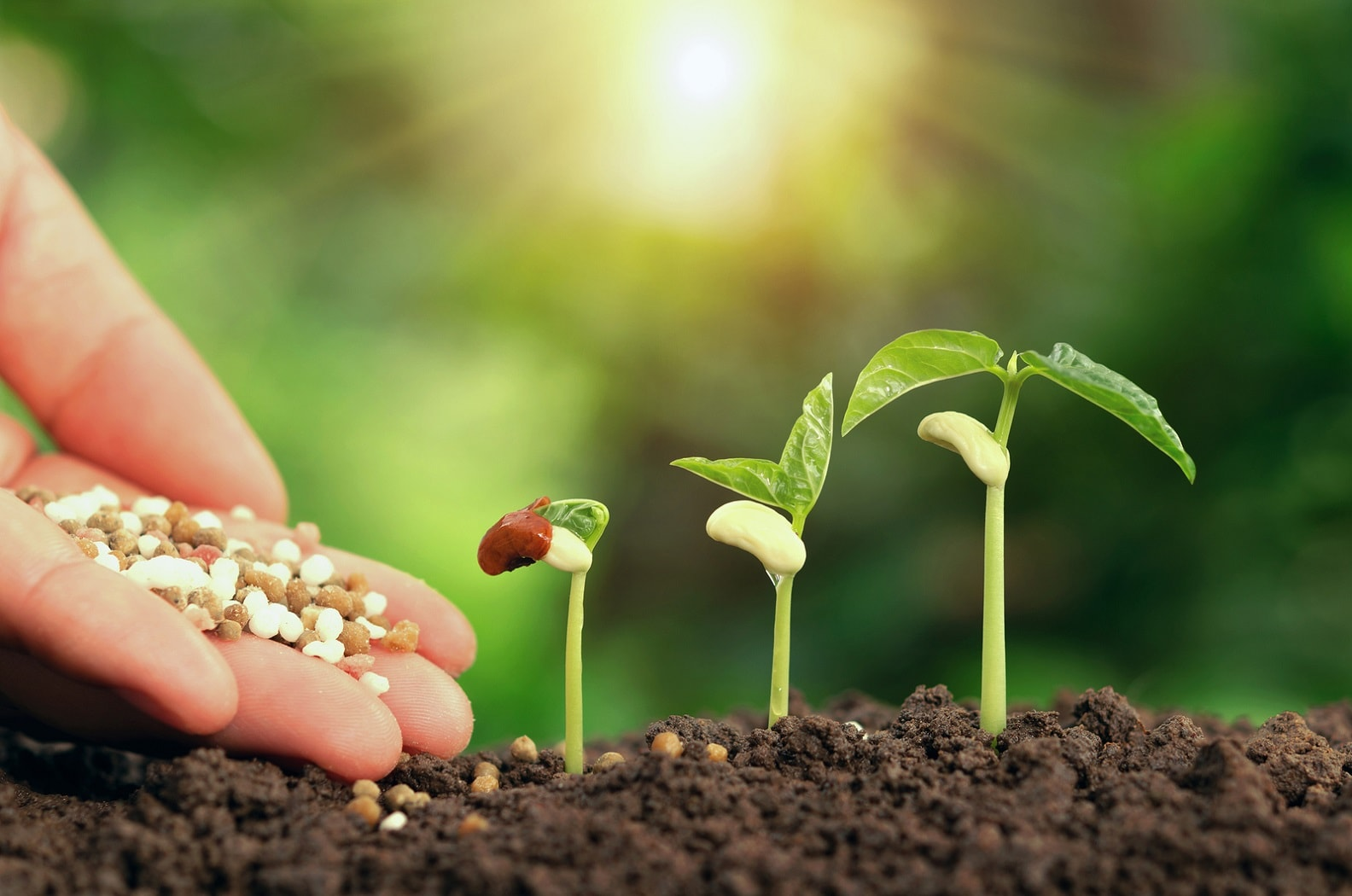
Windfall Bio has developed a method utilizing “mems” — methane-eating microbes that naturally occur in soils and wetlands. These microbes consume methane as their primary food source, converting it into fertilizer. This innovative approach not only reduces harmful methane emissions but also produces a valuable byproduct. According to Josh Silverman, CEO of Windfall Bio, the company’s mission is to provide these microbes to various industries that generate methane, such as agriculture, landfills, and oil production.

The application of mems is versatile. For instance, farmers can use these microbes to capture methane emissions from livestock, particularly cows, and convert it into fertilizer for their crops. Similarly, oil producers and landfills can deploy mems to mitigate methane emissions from their operations. Windfall Bio offers an additional incentive by buying back the fertilizer produced, providing a revenue stream for these industries while contributing to environmental sustainability.

Traditional fertilizer production is energy-intensive and generates significant carbon emissions, especially in the production of ammonia-based fertilizers. Windfall Bio’s microbial method presents a cleaner, more sustainable alternative that aligns with the growing demand for environmentally friendly solutions.

Since launching their product to clients two years ago, Windfall Bio has seen a surge in demand that has far exceeded expectations. The company now serves customers across multiple continents and continues to attract interest from various industries. Despite being an early-stage company, investors like Brett Morris, managing director at Cavallo Ventures, are confident in Windfall Bio’s potential to scale and meet the growing global demand for methane mitigation.

One of Windfall Bio’s most promising ventures is a pilot program with Whole Foods Market dairy suppliers. This partnership aims to reduce methane emissions in dairy farming and enable Whole Foods to market its products as climate-friendly, appealing to environmentally conscious consumers.

Backed by notable investors including Cavallo Ventures, Prelude Ventures, Amazon Climate Pledge Fund, Breakthrough Energy Ventures, and Mayfield, Windfall Bio has raised $37 million in funding to date. With this support, the company is well-positioned to expand its operations and continue making significant strides in methane reduction and sustainable agriculture.