Yazılar

Nvidia Criticizes Biden Administration’s Reported AI Chip Export Restrictions

Nvidia has expressed concern over a reported plan by the Joe Biden administration to impose new restrictions on AI chip exports, with the company urging the outgoing president not to enact a policy that could harm the U.S. economy and benefit adversaries. Nvidia’s Vice President, Ned Finkle, criticized the potential move, arguing that it could set the U.S. back and play into the hands of international competitors.

The Commerce Department and the White House have not responded to Reuters’ inquiries about the policy. According to exclusive reports, the Commerce Department is planning to approve global AI chip exports while preventing bad actors, particularly China, from accessing these advanced technologies. A Bloomberg News report suggests that new export regulations could be announced soon, with limits on the computing power that can be sent to certain countries, including China.

Finkle warned that the policy, though presented as an anti-China measure, would have broader global consequences, including limiting computing systems for other countries and driving the market toward alternative technologies. The Information Technology Industry Council, representing major tech companies like Amazon, Microsoft, and Meta, also voiced concerns, claiming that the restrictions would impede U.S. companies’ ability to compete globally.

Nvidia’s criticism comes as U.S. President-elect Donald Trump prepares to take office on January 20. Trump previously imposed restrictions on U.S. technology sales to China during his first term, citing national security concerns. Nvidia’s stock saw a decline of more than 1% following the Bloomberg report.

 

U.S. Tightens Semiconductor Restrictions to Prevent China’s Access to Advanced Chips

The U.S. Department of Commerce has implemented stronger restrictions on the export of advanced computing semiconductors, aimed at curbing the diversion of high-end chips to China. The new regulations impose broader licensing requirements on chip manufacturers and packaging companies seeking to export specific advanced chips. These measures are designed to limit China’s access to crucial chips used in military applications and advanced technology sectors.

The restrictions build on previous efforts by the U.S. to prevent China from acquiring semiconductors critical to maintaining a military advantage. By controlling the flow of these high-end chips, the U.S. seeks to mitigate potential security risks posed by China’s growing technological and military capabilities.


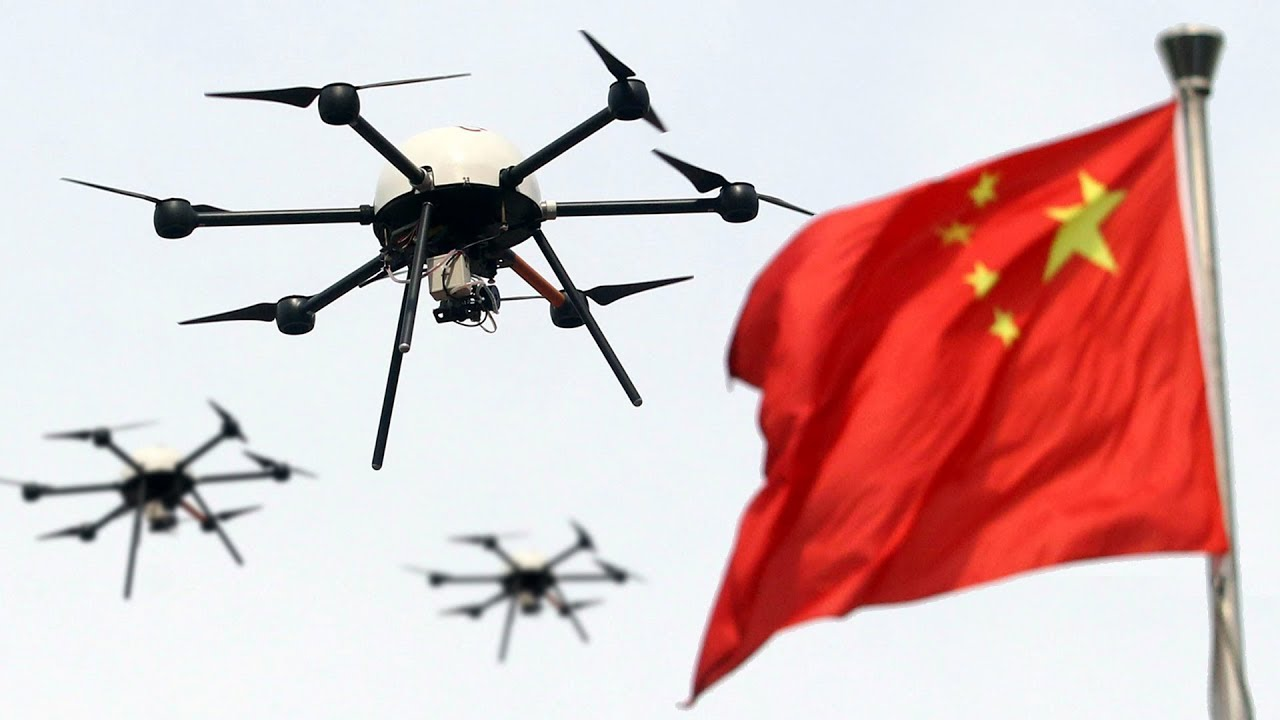
US Considers Potential Rules to Restrict or Bar Chinese Drones

The U.S. Commerce Department is exploring new rules that could restrict or ban Chinese-made drones in the United States, citing national security concerns. The department announced on Thursday that it is considering measures to safeguard the U.S. drone supply chain, emphasizing that threats from China and Russia could allow adversaries to remotely access and manipulate these devices, thereby compromising sensitive U.S. data.

China dominates the U.S. commercial drone market, accounting for the majority of sales. In response to these national security concerns, the Commerce Department is seeking public comments on potential rules, with a deadline set for March 4. The proposed regulations could mirror those applied to Chinese vehicles, which may face similar restrictions or bans due to concerns over foreign-made equipment, chips, and software embedded in drones.

Commerce Secretary Gina Raimondo previously indicated that the department could impose restrictions akin to those that would effectively bar Chinese vehicles from U.S. markets. The focus would primarily be on drones containing Chinese or Russian-made components. Raimondo hopes to finalize the regulations on Chinese vehicles by January 20, coinciding with the inauguration of President-elect Donald Trump.

This move follows a series of actions taken by the U.S. government over the past year to address concerns about Chinese drones. Last month, President Joe Biden signed a law that could result in a ban on new models from China-based DJI and Autel Robotics, two of the largest drone manufacturers. Under this law, a U.S. agency must assess whether drones from these companies pose national security risks within a year. If no decision is made, DJI and Autel could be prevented from launching new products in the U.S.

DJI, the world’s largest drone maker, which accounts for more than half of all commercial drones sold in the U.S., has responded by warning that an inability to launch new products would hurt its business. The company has also taken legal action, suing the U.S. Department of Defense for designating it as a company with ties to China’s military. DJI denies these claims and has asserted that its products do not involve forced labor, despite Customs and Border Protection halting some of its drone imports under the Uyghur Forced Labor Prevention Act.

U.S. lawmakers have repeatedly expressed concerns about the potential risks posed by Chinese-made drones, citing data transmission vulnerabilities and surveillance issues. In 2019, Congress passed a law banning the Pentagon from using drones or components manufactured in China.