
Yazılar

Nexperia to Adhere to U.S. Restrictions on Parent Company Wingtech

INTRODUCTION:
Dutch semiconductor manufacturer Nexperia has announced its commitment to comply with U.S. restrictions following the addition of its Chinese parent company, Wingtech, to the U.S. Department of Commerce’s “entity list.” The move aims to curb Wingtech’s access to critical U.S. technology amid concerns over its acquisition activities tied to chip manufacturing.

KEY DETAILS

  1. U.S. Restrictions and Wingtech’s Entity List Status:
    • Wingtech has been placed on the entity list, imposing strict licensing requirements for accessing U.S. technology.
    • The restrictions are designed to prevent technology transfers that could bolster defense capabilities for nations viewed as strategic adversaries.
  2. Nexperia’s Compliance:
    • A spokesperson for Nexperia clarified that the restrictions apply to Wingtech and do not directly affect Nexperia or its subsidiaries.
    • However, Nexperia will ensure full compliance with the restrictions, particularly concerning interactions with Wingtech.
  3. Nexperia’s Industry Role:
    • The company is a leading global producer of simple computer chips, including diodes and transistors.
    • Earlier this year, Nexperia expanded its operations in Hamburg, Germany, reflecting its strategic growth in Europe.
  4. Context of the Restrictions:
    • The U.S. Department of Commerce cited Wingtech’s attempts to acquire chip manufacturing technology crucial to the defense industries of the U.S. and its allies as the rationale for its decision.
    • This action aligns with broader efforts by the U.S. to limit China’s access to advanced technologies deemed essential for national security.

IMPLICATIONS

  1. For Nexperia:
    • While not directly impacted, Nexperia’s operational flexibility might face challenges due to heightened scrutiny of its parent company’s activities.
    • Continued compliance will be crucial for maintaining business relations in markets sensitive to U.S. regulations.
  2. For the Global Semiconductor Industry:
    • The restrictions underscore geopolitical tensions influencing semiconductor trade and technology flows.
    • Similar measures could impact other Chinese-linked entities, further fragmenting global supply chains.
  3. For U.S.-China Relations:
    • This move intensifies the ongoing technology war between the two nations, with semiconductors at the heart of the strategic rivalry.

CONCLUSION

Nexperia’s adherence to U.S. restrictions reflects the growing complexity of operating within a globally interconnected but geopolitically divided semiconductor industry. As regulatory pressures mount, the company’s ability to navigate these challenges will be critical to its sustained growth and market stability.
U.S. Orders TSMC to Halt AI Chip Shipments to China Amid Escalating Tech Export Controls

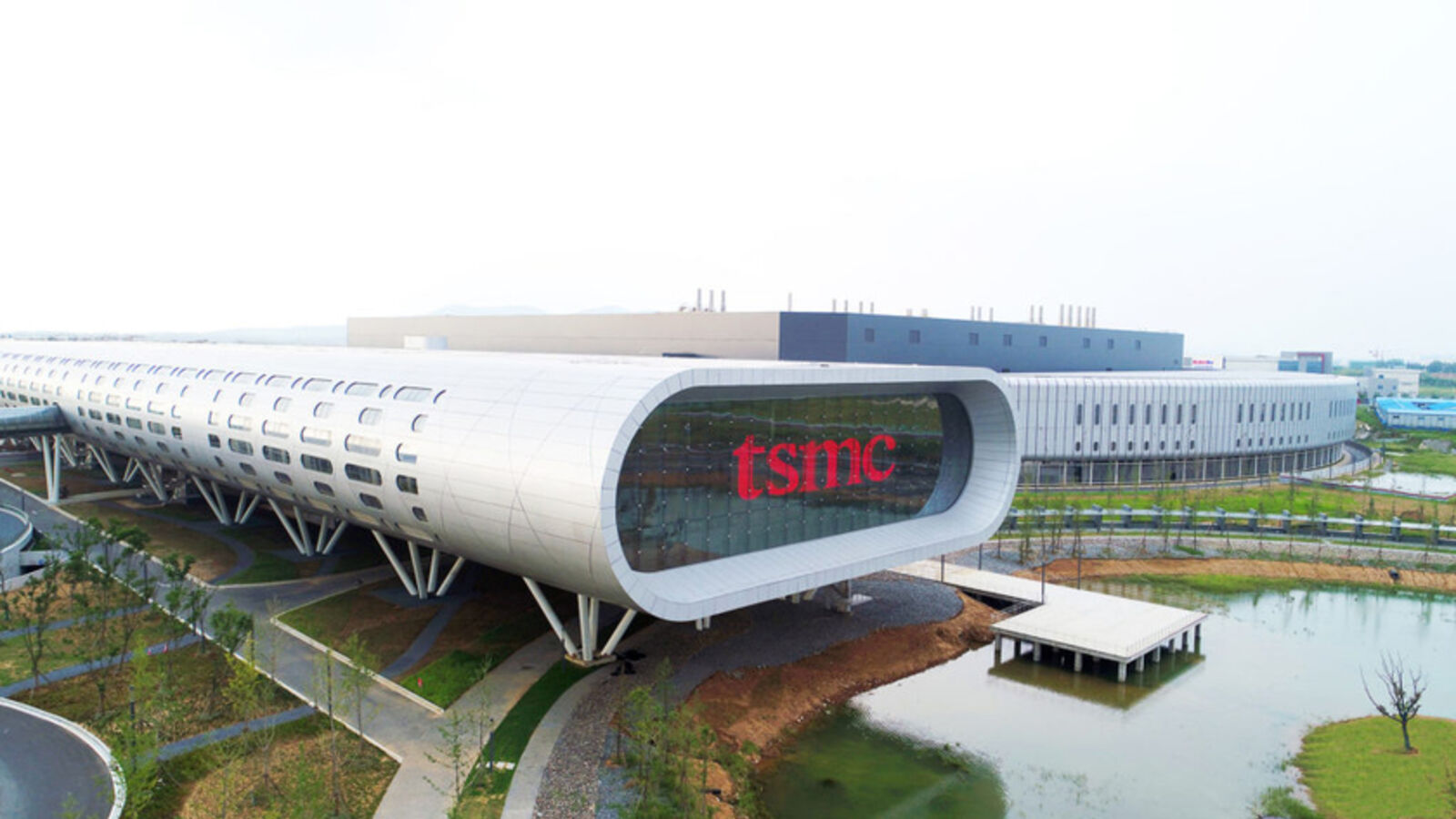
The U.S. government has directed Taiwan Semiconductor Manufacturing Co. (TSMC) to cease shipments of advanced chips used in artificial intelligence (AI) applications to Chinese customers as of Monday. According to a source familiar with the order, the U.S. Department of Commerce issued a notice to TSMC restricting the export of specific advanced chips, including 7-nanometer designs and below, often deployed in AI accelerators and GPUs, to Chinese entities.

This new export restriction follows recent revelations by TSMC regarding one of its chips found within a Huawei AI processor. Tech Insights, a technology research firm, had disassembled the Huawei processor and discovered TSMC’s involvement, potentially indicating an export control breach. Huawei, which is on the U.S. restricted trade list, is required to secure special licensing for any U.S.-derived technology imports. Such licenses are unlikely to be granted if they would benefit Huawei’s AI capabilities.

In response to the U.S. directive, TSMC has begun notifying Chinese clients affected by the suspension of AI and GPU chip shipments, including Sophgo, a China-based chip designer that used similar TSMC technology in a Huawei product. It remains unclear how the chip ended up in Huawei’s Ascend 910B AI processor, one of China’s most advanced AI chips.

The latest U.S. clampdown comes as lawmakers on both sides of the aisle have voiced concerns about the efficacy and enforcement of export controls on China. In recent years, the Commerce Department has issued similar restrictions to companies like Nvidia, AMD, and several chip equipment manufacturers to limit AI-related technology exports to China. Restrictions initially introduced via “is-informed” letters, like those now sent to TSMC, were later formalized into broader regulatory rules affecting additional companies.

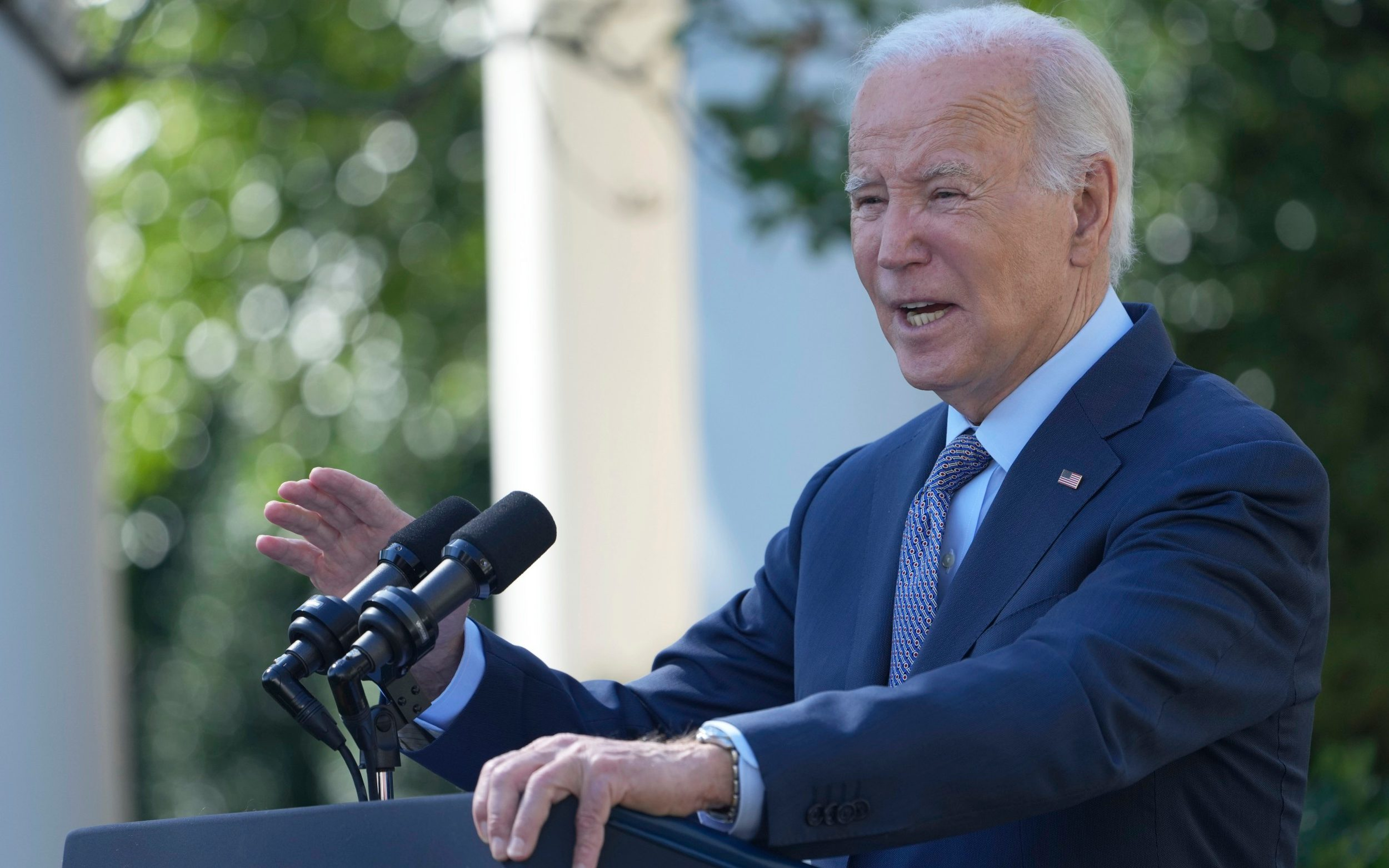
This move reflects Washington’s continuing strategy to limit China’s access to advanced AI and chipmaking technologies. The Biden administration has drafted new export control rules targeting Chinese chipmaking and related companies and aimed to update the Commerce Department’s entity list, which would include over 120 Chinese companies. However, despite these plans, the proposed rules remain delayed, missing anticipated release dates earlier this year.


Biden Proposes Ban on Chinese Vehicles Over Software and National Security Concerns

The Biden administration has proposed new regulations that would effectively ban Chinese vehicles from U.S. roads due to concerns over data privacy and national security. Announced by the U.S. Commerce Department, the proposed rules would prevent key Chinese software and hardware from being integrated into connected vehicles, citing risks of surveillance, remote control, and potential foreign manipulation. The regulations would apply to both Chinese-made cars and components from other adversarial countries like Russia.

This move, reported first by Reuters, extends ongoing U.S. restrictions on Chinese imports and comes amid escalating fears about the collection of data by Chinese companies. The administration’s concern is centered around connected vehicles, which are equipped with network hardware enabling internet access, allowing data sharing with external devices. Officials fear that this capability could be exploited for surveillance or even control of vehicles on American roads.

Commerce Secretary Gina Raimondo emphasized the potential risks posed by foreign adversaries having the ability to remotely control vehicles, which could lead to widespread disruptions and safety hazards. “In an extreme situation, a foreign adversary could shut down or take control of all their vehicles operating in the United States all at the same time, causing crashes, blocking roads,” Raimondo said during a briefing.

The proposed regulation would go into effect for software in the 2027 model year and for hardware by 2029. While the rules would apply to all vehicles on U.S. public roads, they would not affect agricultural or mining vehicles used off-road. Chinese automakers could apply for exemptions under “specific authorizations” but would face steep challenges entering or remaining in the U.S. market.

The Commerce Department’s proposal builds on earlier measures, including a 100% tariff on Chinese electric vehicles (EVs) and new restrictions on critical components like EV batteries. The Biden administration has ramped up efforts to curtail Chinese influence in the U.S. automotive industry, despite the limited number of Chinese cars currently imported. Raimondo noted that the administration is taking action early, before Chinese components become more common in U.S. vehicles.

White House National Security Adviser Jake Sullivan underscored the urgency of the issue, stating that the presence of potentially millions of connected vehicles with long lifespans increases the risk of sabotage and disruption. Sullivan also pointed to evidence of Chinese malware being embedded in U.S. infrastructure as a justification for the proposal.

The Chinese Embassy in Washington has pushed back against the plan, urging the U.S. to adhere to international trade rules and warning that China will “firmly defend its lawful rights and interests.” Meanwhile, the Alliance for Automotive Innovation, representing major automakers such as General Motors, Toyota, Volkswagen, and Hyundai, has expressed concern over the time and complexity involved in replacing software and hardware sourced globally, including from China.

The Commerce Department is seeking public input on the proposal over the next 30 days, aiming to finalize the regulation by January 20.