Yazılar

China Flags More Fiscal Stimulus for Economy, Leaves Out Key Details on Size

China announced plans to “significantly increase” debt to revive its economy, but withheld crucial information regarding the overall size of the stimulus package. This leaves investors uncertain about how long the recent stock market rally will last. At a press conference on Saturday, Finance Minister Lan Foan detailed measures aimed at alleviating local government debt, offering subsidies to low-income citizens, supporting the struggling property market, and replenishing state banks’ capital. However, no specific figures were provided.

Investors have been eagerly awaiting more aggressive action as the world’s second-largest economy faces mounting deflationary pressures, low consumer confidence, and a sharp property market downturn. The absence of a specific monetary figure for the stimulus prolongs market uncertainty. Economists and analysts are especially concerned as economic data in recent months has consistently underperformed, raising fears that China’s 2024 growth target of approximately 5% may be difficult to achieve.

Lack of Details Raises Investor Concerns

While Lan emphasized the government’s resolve to tackle the economy’s challenges, the lack of detailed numbers frustrated investors hoping for a comprehensive stimulus package to sustain the recent market rally. “The big bang fiscal stimulus that investors were hoping for… did not come through,” said Vasu Menon, managing director for investment strategy at OCBC in Singapore. The rally in Chinese stocks, which saw a 25% surge after the September Politburo meeting, has since slowed, and concerns about the absence of policy clarity are growing.

China’s property market remains a key issue, with falling demand and heavy debts hanging over local governments. In September, Reuters reported that China plans to issue special sovereign bonds worth around 2 trillion yuan ($284.43 billion), with half of the funds directed at local governments and the other half toward consumer subsidies and household benefits, such as an allowance of 800 yuan ($114) per child for families with two or more children. Meanwhile, Bloomberg reported China is considering injecting 1 trillion yuan of capital into state banks to stimulate lending, though demand for credit remains weak.

Central Bank Interventions and Structural Issues

The People’s Bank of China has already introduced its most aggressive monetary measures since the COVID-19 pandemic, including rate cuts and a liquidity injection of 1 trillion yuan. These measures have lifted market sentiment somewhat, but analysts argue that China needs more profound reforms to boost consumption and shift away from its reliance on debt-driven infrastructure investment.

Despite years of pledges to increase domestic consumption, household spending remains weak. Currently, consumption accounts for less than 40% of China’s annual GDP, significantly below the global average, while investment remains far higher than global norms. These imbalances highlight the need for structural reforms in policies and institutions if China is to achieve sustainable growth.

Lan’s press conference did little to quell concerns, with analysts warning that without targeted measures to boost demand and investment, China may struggle to ease deflationary pressures. “There is still relatively big room for China to issue debt and increase the fiscal deficit,” Lan said, noting that local governments have 2.3 trillion yuan left to spend in the final quarter of the year. However, deeper reforms are expected to be announced gradually.

Uncertain Path Forward

As markets await more concrete details, global investors are left speculating on China’s next moves. The upcoming meeting of China’s National People’s Congress, which is expected to approve additional debt issuance, may finally provide clarity. Until then, volatility in Chinese markets and global commodity prices is likely to continue, as investors try to gauge the impact of China’s fiscal policies.
Goodbye Louis Vuitton: China’s Gen Z Embraces ‘Dupe Economy’ as Growth Slows

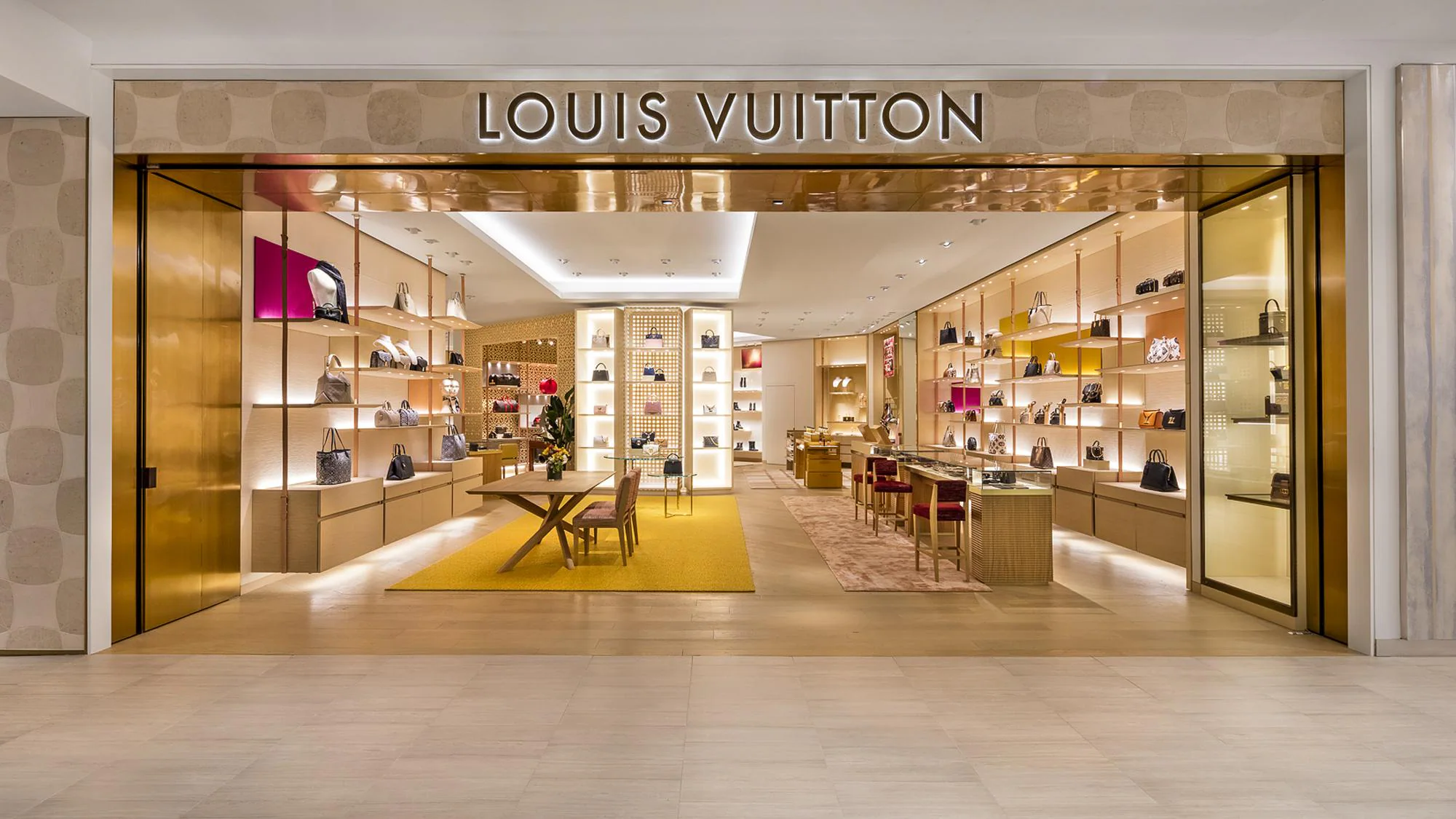
As China’s economic slowdown takes hold, a growing number of young consumers are opting for affordable dupes over high-end luxury items. This shift is particularly apparent among Gen Z, like Zheng Jiewen, a 23-year-old print model in Guangzhou, whose salary was slashed by half earlier this year. Once a regular buyer of Louis Vuitton and Chanel, Zheng now turns to high-quality replicas, also known as pingti, as the economic downturn has forced her to cut back on luxury spending.

The rising popularity of pingti products is part of a broader trend, with searches for these dupes tripling between 2022 and 2024, according to market research firm Mintel. In an era when China’s economy is stagnating, consumer confidence is at historic lows, and high-quality replicas of branded goods have become more mainstream. Rather than splurging on brands like Louis Vuitton or Lululemon, Chinese consumers are increasingly drawn to dupes that cost a fraction of the price. A pair of Lululemon leggings, for example, costs 750 yuan ($106) on their official site, while nearly identical versions on Chinese e-commerce platforms go for as low as $5.

The consequences of this shift are significant. Luxury brands like Louis Vuitton are facing declining sales, with LVMH, the brand’s parent company, seeing a 10% drop in revenue from its Asia market in the first half of 2024. The impact of the pingti trend is felt not just in reduced consumption but also in broader economic growth. Retail sales in China rose by just 2.1% in recent months, far below expectations.

The lack of consumer confidence stems from multiple factors, including declining wages, rising unemployment, and a property market collapse. For instance, Xinxin, a math teacher in Chongqing, experienced a 20% pay cut due to fiscal issues in her district. Like Zheng, she turned to dupes—choosing a budget-friendly alternative to Estée Lauder’s Advanced Night Repair serum, which saved her hundreds of yuan.

Unemployment among China’s youth reached 18.8% in August 2024, the highest on record, as the country continues to grapple with a deepening economic crisis. The housing sector, once a major driver of economic activity, has cooled dramatically. Real estate prices have fallen by nearly 30% since 2021, with the total wealth lost from this downturn amounting to $18 trillion, according to Barclays economists. This wealth loss has hit Chinese households hard, stifling their spending and dampening hopes of a quick economic recovery.

Nicole Hal, a 33-year-old businesswoman in Guangzhou, shared her frustration with CNN. Despite expecting to earn four million yuan ($570,000) this year with her husband, she has drastically reduced her spending on luxury items, expensive skincare, and dining out. Like many others, her cautious approach reflects a wider trend of reduced consumption, leading to more pessimistic economic data and lower growth forecasts for China.

As Beijing struggles to boost domestic demand, its strategy has shifted toward promoting manufacturing, particularly in the electric vehicle sector. However, this emphasis on exports has triggered a backlash, especially in Europe, where Chinese electric vehicles face potential tariffs. Economists at Goldman Sachs predict that unless China shifts its focus to stimulating domestic consumption, it will continue to face global trade challenges.

Record Low Inflation Expectations Amidst Mixed Economic Signals

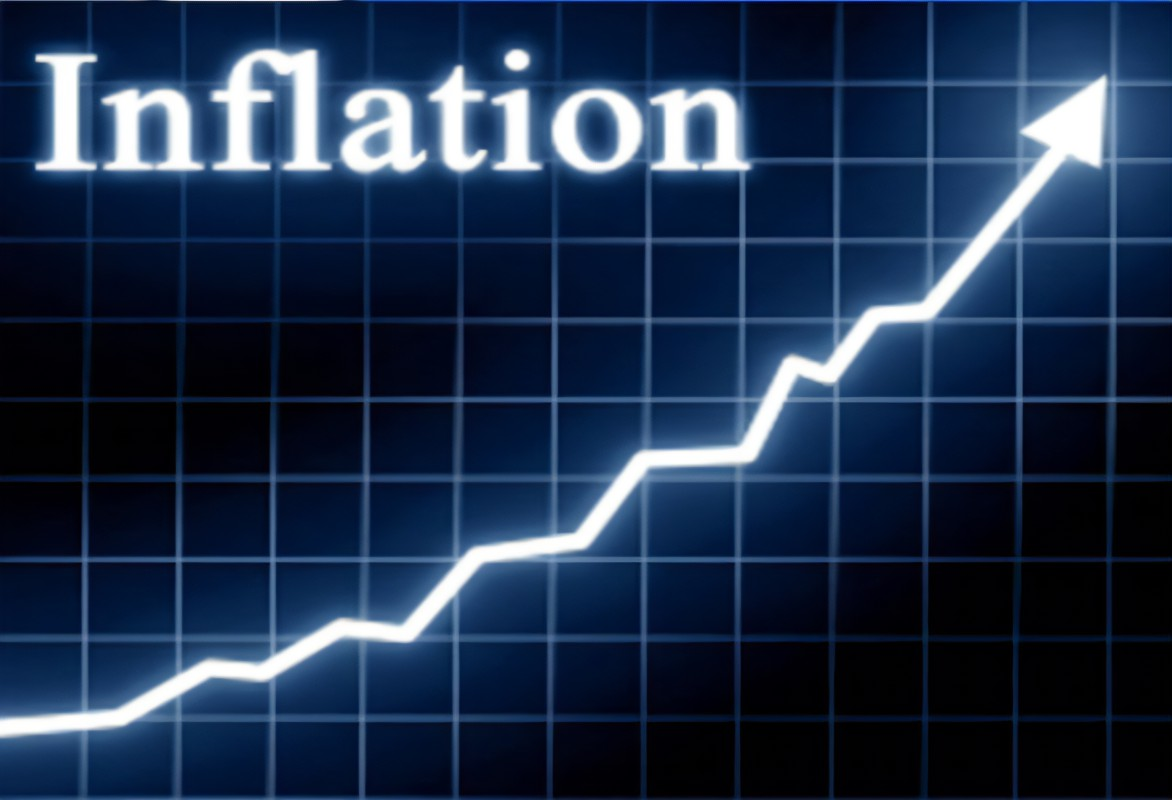
In July, consumer confidence regarding inflation showed a significant shift, as the New York Federal Reserve’s monthly Survey of Consumer Expectations reported a record low in the three-year inflation outlook. According to the survey, consumers now anticipate inflation to fall to 2.3% within the next three years, marking a substantial decrease of 0.6 percentage points from June and setting the lowest expectation since the survey’s inception in June 2013.

This dip in long-term inflation expectations comes despite consumers foreseeing continued elevated inflation in the short term. The survey’s results indicate that while inflation is expected to remain higher over the next year, it is projected to recede over the following years, easing concerns about persistent high inflation.

The improved three-year outlook is a critical factor for both policymakers and investors, who closely monitor inflation expectations to gauge future economic conditions. These expectations influence consumer and business behaviors, which in turn can affect actual inflation outcomes. The Federal Reserve, which has been aggressive in its rate-hiking cycle to combat inflation, may find these results encouraging as it considers its next steps. The market has already priced in the possibility of at least a quarter-point rate cut in September, with some anticipating a full percentage point reduction by year-end.

However, while the medium-term outlook is more optimistic, expectations for inflation over the next one and five years remain unchanged at 3% and 2.8%, respectively. This suggests that while consumers are hopeful for a decline in inflation, they are still cautious about the immediate future.

There was further positive news in the survey regarding specific consumer goods. Expectations for the increase in gas prices over the next year dropped to 3.5%, down 0.8 percentage points from June, while the expected rise in food prices also edged down slightly to 4.7%. Additionally, household spending growth expectations fell to 4.9%, the lowest level since April 2021, indicating a potential cooling of demand pressures that have contributed to inflation.

Conversely, the survey highlighted concerns in other areas. Expectations for cost increases in medical care, college education, and rent have all risen. Notably, the anticipated increase in college costs jumped by 1.9 percentage points to 7.2%, while rent, a key component of the inflation basket, is expected to rise by 7.1%, up 0.6 percentage points from June. These rising costs in essential sectors could complicate the overall inflation picture and pose challenges for the Federal Reserve’s efforts to bring inflation down to its 2% target.

Employment expectations also reflected a mixed economic sentiment. Despite a rise in the unemployment rate, consumers felt more secure in their jobs, with the perceived probability of losing one’s job falling to 14.3%, a slight improvement. Furthermore, the expectation of voluntarily leaving a job, often seen as a sign of confidence in the labor market, increased to 20.7%, the highest since February 2023.

Overall, while the record low in the three-year inflation outlook is a positive sign, the mixed signals from other economic indicators suggest that the path to stable, low inflation may still face significant hurdles.