Yazılar

UK’s FCA to Strengthen Payment Firms’ Safeguarding Rules from May 2026

Britain’s Financial Conduct Authority (FCA) announced stricter regulations for electronic payment firms, effective from May 2026, aiming to better protect customers’ money by ensuring it is kept separate from firms’ own funds. This move follows growing consumer exposure to risks associated with payment providers as their use has surged dramatically in recent years.

The FCA’s reforms will require larger payment firms to submit monthly reports and undergo annual audits, as well as conduct daily checks to confirm the correct safeguarding of customer funds. These rules will apply to payment institutions, e-money institutions (EMIs), and credit unions that issue e-money.

The regulator highlighted recent failures in the sector, such as foreign exchange broker Argentex, which entered special administration last month after liquidity problems caused by market volatility. Between 2018 and mid-2023, failed payment firms showed an average shortfall of 65% in safeguarding customers’ funds.

Matthew Long, FCA’s director of payments and digital assets, emphasized the importance of these reforms to protect consumers from losing money when firms fail, and noted the FCA will monitor firms’ compliance to decide if further rules tightening is needed.

UK Finance, representing the finance industry, welcomed effective safeguarding but urged careful assessment to avoid imposing unrealistic demands, especially on smaller firms, and to maintain international competitiveness.

U.S. Transportation Department Raises Concerns Over AI Use in Personalized Airline Ticket Pricing

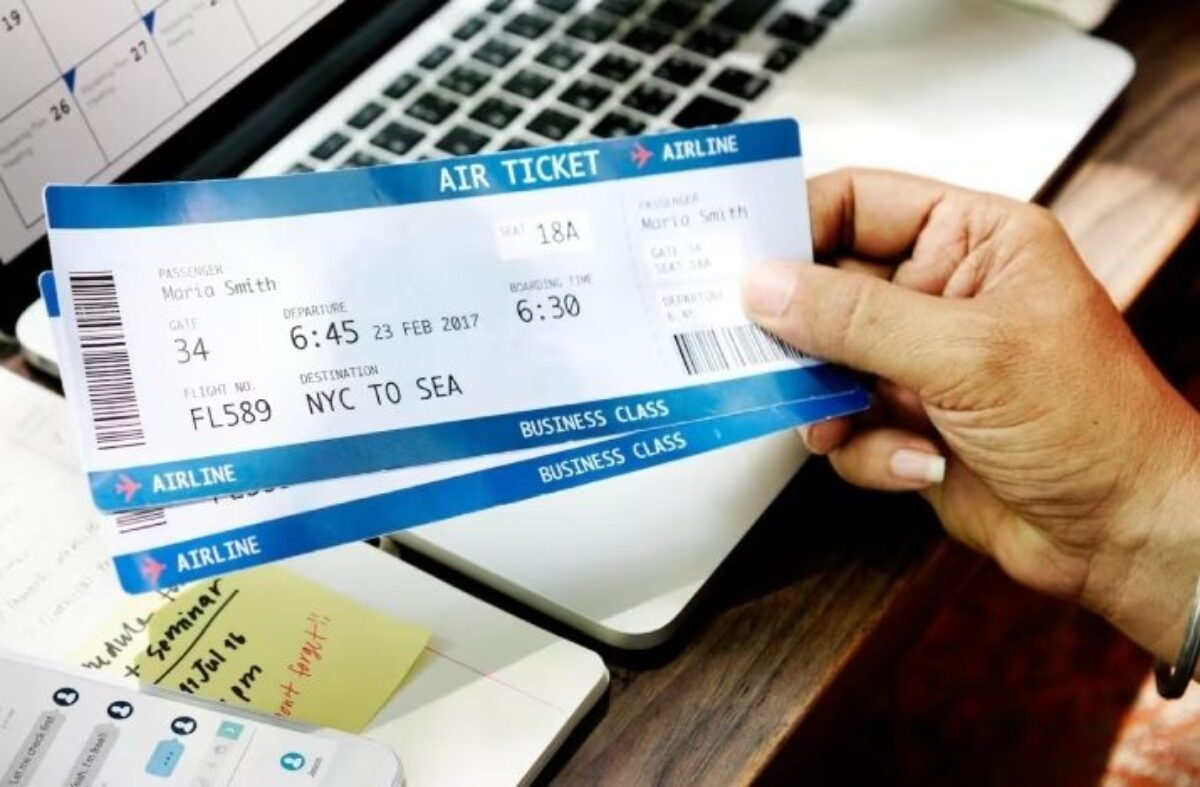
U.S. Transportation Secretary Sean Duffy expressed concerns on Tuesday regarding the use of artificial intelligence to set personalized airline ticket prices and announced plans to investigate any such practices. This follows recent claims that some airlines may be using AI to adjust fares based on individual consumer profiles.

Delta Air Lines (DAL.N) clarified last week before lawmakers that it has neither used nor plans to use AI to price tickets on an individual basis. “To try to individualize pricing on seats based on how much you make or don’t make or who you are, I can guarantee you that we will investigate if anyone does that,” Duffy said. “We would engage very strongly if any company tries to use AI to individually price their seating.” He added that he takes Delta’s assurances at face value.

Last month, Democratic Senators Ruben Gallego, Mark Warner, and Richard Blumenthal warned that AI-based pricing could lead to fare increases tailored to a consumer’s personal “pain point.” Delta plans to deploy AI-powered revenue management technology across 20% of its domestic network by the end of 2025, partnering with Fetcherr, a company specializing in AI pricing. Fetcherr lists several airlines, including Delta, Westjet, Virgin Atlantic, Viva, and Azul, as clients.

American Airlines (AAL.O) CEO Robert Isom also expressed concerns that AI-driven pricing could damage consumer trust. Democratic lawmakers Greg Casar and Rashida Tlaib have introduced legislation aimed at banning companies from using AI to set prices or wages based on personal data, including prohibiting airlines from raising prices after sensitive searches such as family obituaries.

Delta emphasized that dynamic pricing—where fares fluctuate based on factors like demand, fuel costs, and competition—has been standard for over 30 years but insisted it does not use personal consumer information to set prices.

Florida Attorney General Investigates Robinhood Crypto Over Low-Cost Trading Claims

Florida Attorney General James Uthmeier has initiated an investigation into Robinhood Crypto, scrutinizing whether the platform misled users by advertising itself as the cheapest option for buying cryptocurrencies. The AG’s office announced on Thursday that it has issued a subpoena to Robinhood Crypto, a division of Robinhood Markets, seeking internal documents related to potential breaches of Florida’s Deceptive and Unfair Trade Practices Act.

Uthmeier emphasized the need for transparency in cryptocurrency transactions, stating, “When consumers buy and sell crypto assets, they deserve transparency in their transactions.” He added that Robinhood’s longstanding claim of being the “best bargain” appears to be deceptive.

Robinhood allows customers to trade stocks and cryptocurrencies without charging direct commissions. Instead, the company earns revenue by routing orders to third-party firms that pay Robinhood, a practice known as payment for order flow (PFOF).

In response, Robinhood’s General Counsel Lucas Moskowitz said the company provides clear pricing information throughout the trading process, including details on spreads, fees, and Robinhood’s revenue from trades. He defended Robinhood’s position as a platform offering “crypto trading at the lowest cost on average.”