Yazılar

EU is Fully Enforcing Social Media Rules, Says Digital Chief

The European Commission has reaffirmed its commitment to fully enforcing the rules governing social media and other large online platforms, including the Digital Markets Act (DMA) and the Digital Services Act (DSA). Commission Vice President Henna Virkkunen emphasized on Wednesday that no investigations have been delayed, contrary to some reports suggesting otherwise.

Enforcement of Digital Markets Act and Digital Services Act

Virkkunen addressed concerns over potential delays in cases against major U.S. tech companies such as Apple, Meta, and Google, clarifying that these investigations are still in the technical phase. This phase involves ongoing exchanges with the companies involved, and decisions have not yet been made. She stated, “There haven’t been any delays,” and reassured that the EU is “fully enforcing the DMA and the DSA.”

These acts are designed to ensure a fair and safe online environment, applying antitrust obligations under the DMA and content moderation rules under the DSA. Virkkunen stressed that the acts were powerful tools that applied to all companies, including European firms, operating within the EU. She also highlighted that the DSA protects freedom of speech, contradicting claims that it limits it.

Meta’s Concerns on Censorship

Meta CEO Mark Zuckerberg recently criticized the increasing number of laws in Europe, describing them as institutionalizing censorship. In response to these concerns, Zuckerberg also called on U.S. President-elect Donald Trump to take action against the EU’s fines on U.S. tech companies, as Meta ended its U.S. fact-checking programs last week. Zuckerberg’s comments reflect ongoing tensions between European regulators and U.S. tech giants over content moderation and regulatory compliance.
 

Meta Appoints Joel Kaplan as Chief Global Affairs Officer, Replacing Nick Clegg

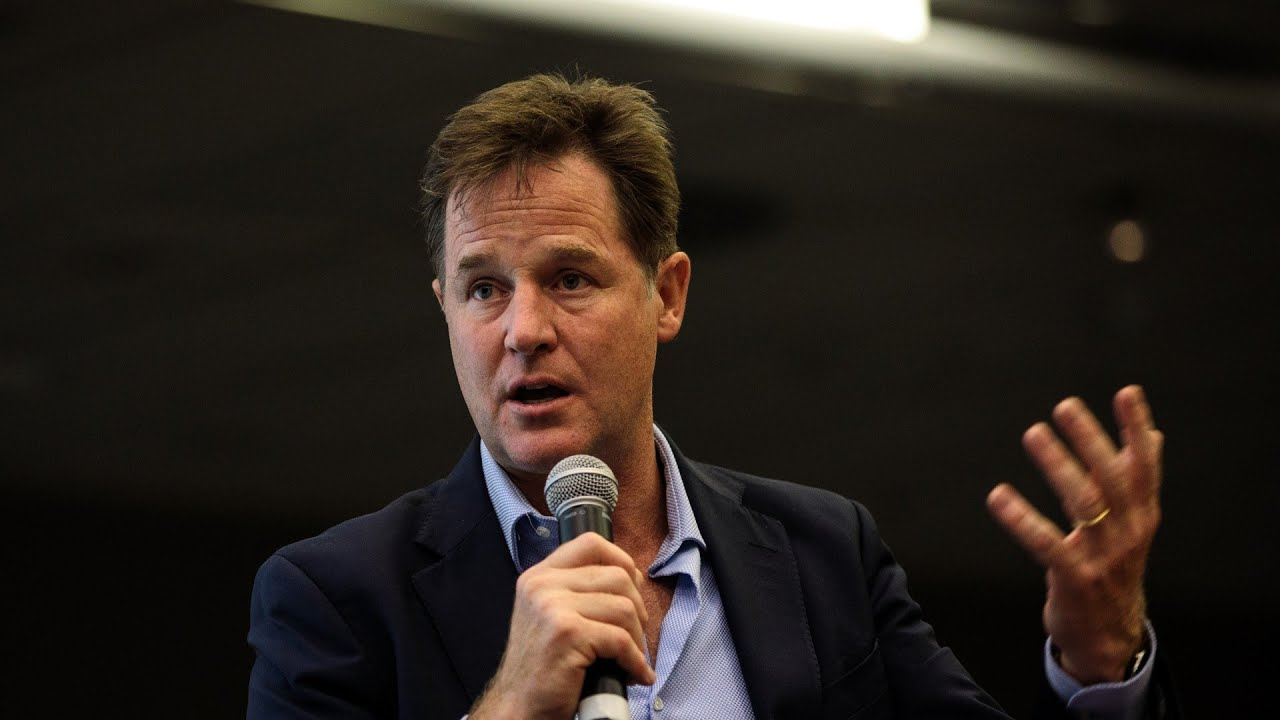
Meta Platforms has named Joel Kaplan, a prominent Republican and long-time executive at the company, as its new Chief Global Affairs Officer, replacing Nick Clegg. The leadership change comes as Meta navigates its relationship with President-elect Donald Trump, who has criticized the company’s handling of political content and threatened legal actions against its CEO, Mark Zuckerberg.

Nick Clegg, who joined Meta in 2018 after serving as the British deputy prime minister and leader of the Liberal Democrats, announced his decision to step down from his role on social media. Clegg stated, “Joel is quite clearly the right person for the right job at the right time—ideally placed to shape the company’s strategy as societal and political expectations around technology continue to evolve.”

Kaplan’s Background and Controversies

Kaplan, who has been with Meta since 2011, previously served as Deputy Chief of Staff for Policy under former Republican President George W. Bush. During his tenure at Meta, Kaplan has been a controversial figure. He has faced accusations of promoting a conservative agenda while advocating for political neutrality. Internal company documents leaked by a whistleblower in 2021 revealed claims that Kaplan had influenced Meta’s content moderation policies to favor Republican political figures, a charge the company has denied.

Kaplan’s attendance at a Senate hearing in 2018 supporting Brett Kavanaugh, a Supreme Court nominee accused of sexual assault, further fueled employee discontent. Meta later admitted to “mistakes handling the events” surrounding Kaplan’s public stance.

Despite these controversies, Kaplan is seen as a strategic choice to lead Meta’s global policy and communications teams as the company works to align its approach with evolving political expectations. Kevin Martin, another Meta executive with Republican ties, will succeed Kaplan as head of global policy.

Meta’s Relationship with the Incoming Trump Administration

The leadership transition coincides with Meta’s efforts to mend relations with President-elect Trump following years of strained interactions. Trump, who was banned from Meta’s platforms in 2021 after the Capitol riots, has accused the company of bias against conservatives and suppressing content critical of Joe Biden during the 2020 election.

Since Trump’s election victory in November, Meta has taken steps to improve its standing with the incoming administration. The company has donated $1 million to Trump’s inaugural fund, breaking from its previous practices, and CEO Mark Zuckerberg has publicly expressed regret over content moderation decisions that alienated conservative users.

Meta’s overtures appear to have softened tensions, with Trump no longer publicly targeting the company as aggressively as in the past. However, critics argue that these moves raise questions about Meta’s commitment to unbiased content moderation and its broader influence on political discourse.

The Road Ahead for Meta

Kaplan’s appointment signals a strategic pivot as Meta faces heightened scrutiny over its role in shaping public opinion and its policies surrounding political content. The company will likely face pressure to balance the expectations of conservative political leaders, internal employee concerns, and the broader public’s demand for transparent and equitable content governance.


Elon Musk to Interview Donald Trump on X: A New Twist in the U.S. Presidential Election

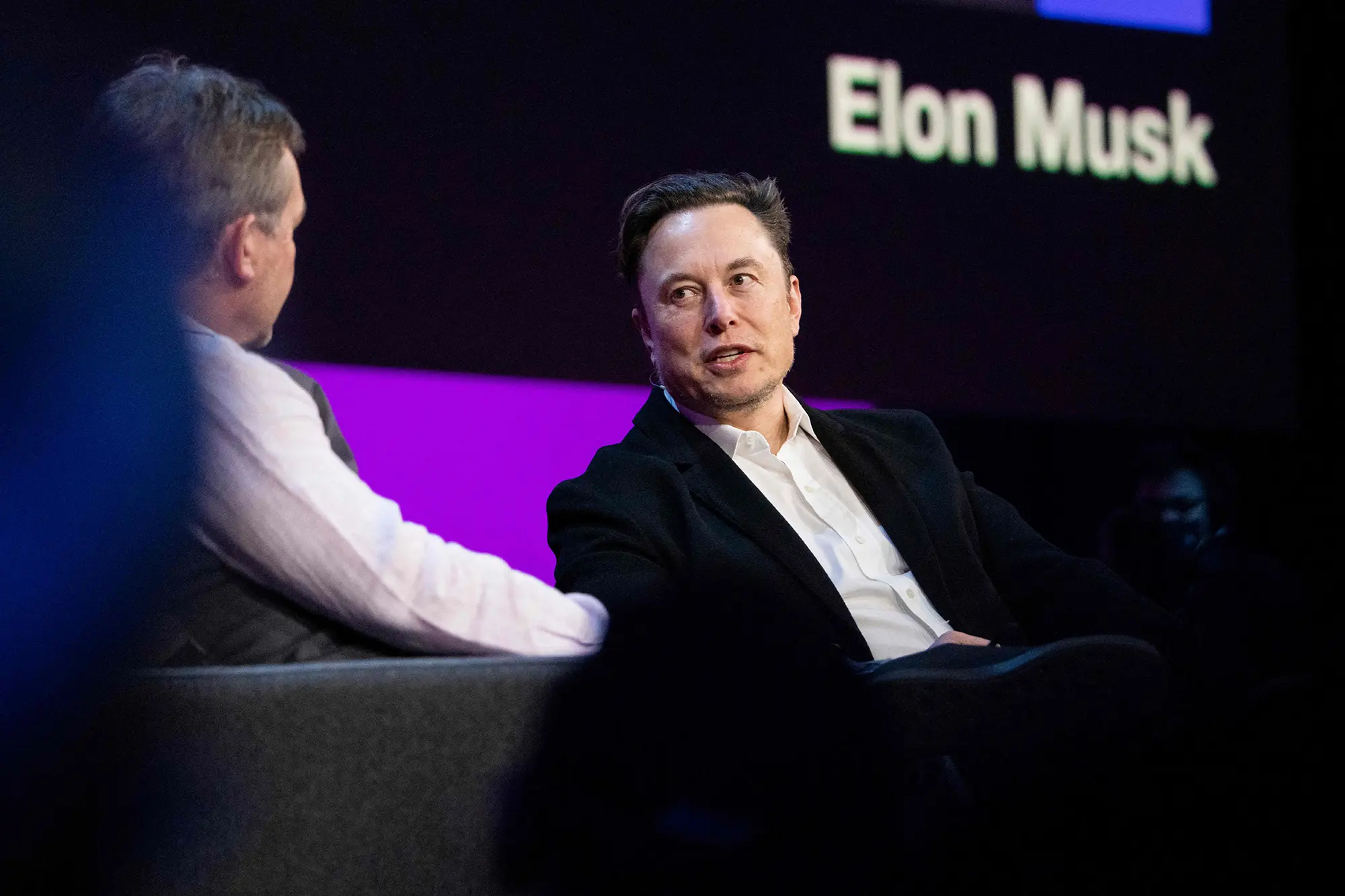
Elon Musk, the billionaire entrepreneur and owner of the social media platform X, is set to interview former President Donald Trump, the Republican candidate for the 2024 U.S. presidential election, in an event scheduled for Monday at 8 p.m. Eastern Time. This high-profile interview, which will be broadcast on X, is expected to draw significant attention as Trump seeks to rejuvenate his campaign amidst declining poll numbers.

The timing of this interview is crucial for Trump, whose campaign has struggled to maintain momentum against his Democratic opponent, Vice President Kamala Harris. Harris has recently closed the gap in the polls and has energized her base with a series of dynamic rallies. For Trump, this interview represents an opportunity to reach a broader audience beyond his usual conservative base, who typically tune in to his appearances on Fox News and attend his rallies. However, X has experienced technical issues in the past during similar high-traffic events, raising concerns about the platform’s ability to handle the anticipated viewership.

Musk’s involvement in the interview adds an intriguing dimension, given his evolving political stance. Although he supported President Joe Biden in the 2020 election, Musk has since shifted rightward and publicly endorsed Trump after an attempted assassination attempt against the former president. Musk, who also leads Tesla, has even established a political action committee to support Trump’s campaign, which is currently under investigation in Michigan for potential violations of voter information laws.

Trump, who has historically been critical of electric vehicles, has notably softened his stance following Musk’s endorsement. At a rally in early August, Trump stated, “I’m for electric cars. I have to be, because Elon endorsed me very strongly. So I have no choice.” This shift highlights the complex and sometimes contradictory alliances forming in the lead-up to the November 2024 election.

The interview will also mark Trump’s return to X, formerly known as Twitter, after his account was reinstated under Musk’s ownership. Trump’s access to the platform was previously suspended following the January 6, 2021, Capitol riot. On Monday morning, Trump posted on X for the first time in a year, sharing an advertisement that emphasized his belief that the criminal charges he faces are politically motivated.

Musk’s stewardship of X has been marked by controversy, particularly regarding content moderation. Since acquiring the platform in 2022, Musk has reduced moderation efforts, leading to a reported increase in hate speech and driving away advertisers. His endorsement of an antisemitic post and subsequent criticism of the Anti-Defamation League has further fueled these controversies.

As the interview approaches, both Trump and Musk are poised to draw considerable attention, not only for the content of their conversation but also for the broader implications it may have on the presidential race and the evolving media landscape.