Yazılar

Tesla’s $1 Trillion Musk Pay Package Faces Criticism but Likely to Win Shareholder Backing

Tesla’s board has approved a record-breaking $1 trillion compensation plan for CEO Elon Musk, designed to lock him into the company for the next decade as it pivots toward AI and robotics. Despite the staggering figure, analysts and pay experts say the plan will likely secure shareholder approval at November’s annual meeting, given Musk’s track record and Tesla’s reliance on him.

The package grants Musk 96 million restricted shares worth $31 billion upfront, vesting over two years, plus 12 additional tranches tied to ambitious earnings and market-cap milestones. If all targets are met, Musk’s stake could rise from 13% to 25%, positioning Tesla for a potential $8.5 trillion valuation—larger than Microsoft, Alphabet, and Meta combined today.

Tesla’s board defended the deal, saying Musk is “the only person on the planet” capable of unlocking the company’s potential. Negotiations reportedly involved 37 meetings with lawyers and 10 with Musk, during which Musk insisted on significant control, partial repayment for his voided $56 billion 2018 package, and assurances he wouldn’t be sidelined.

Supporters argue the plan gives Musk incentive to stay and aligns payouts with extraordinary growth. Critics call it excessive corporate governance failure, with unions and pension funds urging rejection. “This is investor money that could go into R&D or acquisitions,” said Kristin Hull of Nia Impact Capital, who signaled a possible shareholder challenge.

Large funds—Vanguard, BlackRock, and State Street—have yet to reveal their votes, though history suggests at least two may back Musk. Meanwhile, Tesla’s stock closed 3.6% higher at $350.84 Friday but remains down 13% in 2025, reflecting weak EV demand and rising competition.

The deal’s sheer scale, combining AI ambition, governance controversy, and Musk’s polarizing persona, ensures it will dominate investor debates well beyond November’s vote.
Tesla Board Floats Unprecedented $1 Trillion Pay Package for Elon Musk

Tesla’s board has proposed a record-breaking $1 trillion compensation package for CEO Elon Musk, an award that would dwarf any executive pay deal in history. The package hinges on Musk boosting Tesla’s valuation nearly eightfold to around $7.5 trillion over the next decade. If fully earned, it would significantly expand his voting power beyond his current 13% stake, further cementing his influence over the company.

The plan underscores Tesla’s reliance on Musk’s leadership as the company faces slowing electric vehicle demand, intensifying competition from China, and mounting pressure to deliver on its AI-driven ambitions in robotaxis and humanoid robots.

Reactions from analysts and investors have been sharply divided:

  • Supporters argue the structure ties Musk’s rewards to ambitious but potentially transformative growth targets. Some say shareholders stand to benefit if even part of the package is achieved.

  • Critics describe the scale as excessive and a sign of weak corporate governance, especially given Tesla’s recent challenges and Musk’s distractions outside the company. Concerns also loom over litigation risk, given that Musk’s prior $56 billion package was struck down by a Delaware court.

  • Others note the package reflects Tesla’s belief that Musk’s vision and presence are its most critical assets—even more than factories or technology.

The proposal has also raised alarms about precedent, with some observers warning it could normalize “adding extra zeros” to executive pay packages across corporate America. With shareholder approval and potential regulatory scrutiny ahead, the outcome could reshape both Tesla’s future and broader debates on CEO compensation.

Trump Meets with Intel CEO Tan After Resignation Demands

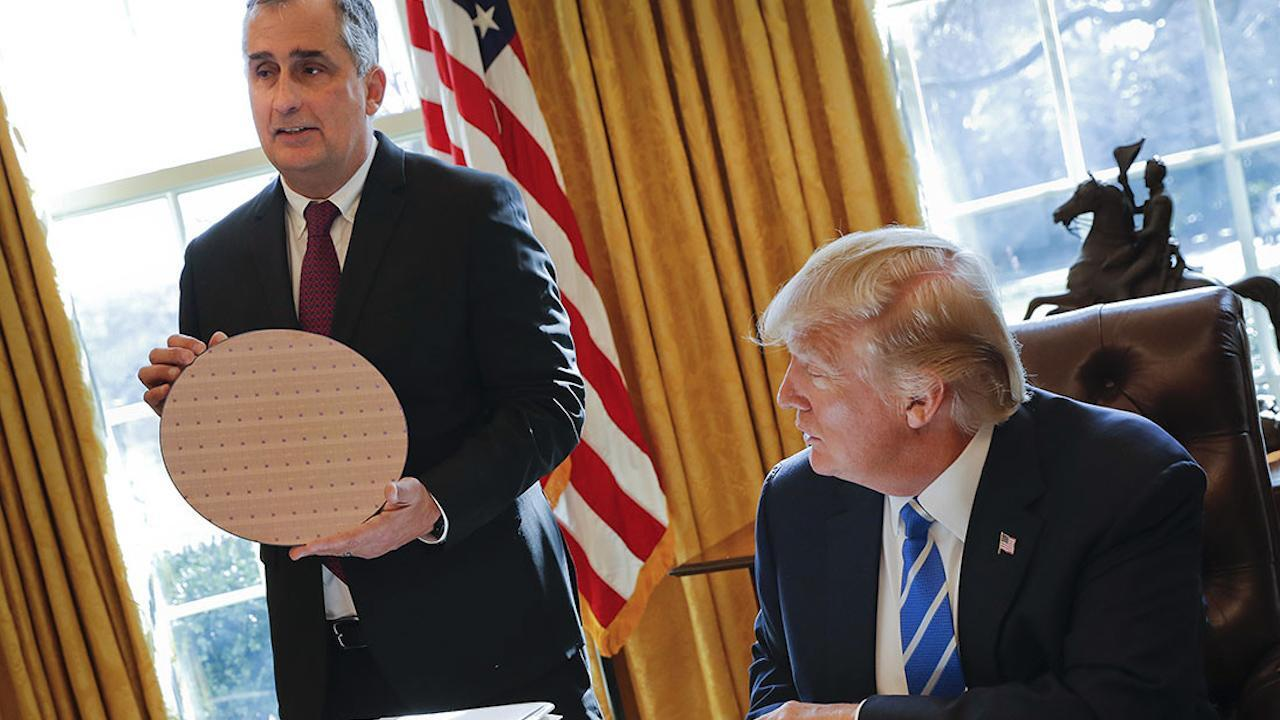
U.S. President Donald Trump met with Intel CEO Lip-Bu Tan on Monday, just days after publicly demanding his resignation over alleged conflicts of interest tied to investments in Chinese firms. Following the meeting, Trump praised Tan, calling the discussion “very interesting.” Intel’s stock rose 3% in extended trading.

Last week, Trump had accused Tan of being “highly conflicted” due to his extensive ties to Chinese companies, some of which were reportedly linked to China’s military. Though such investments are not illegal unless involving entities on the U.S. Treasury’s restricted list, the revelations created uncertainty around Intel’s ongoing turnaround effort.

During the White House meeting, Trump was joined by Commerce Secretary Howard Lutnick and Treasury Secretary Scott Bessent. Trump said the officials, along with Tan, would provide him with further recommendations next week. Despite earlier criticism, Trump acknowledged Tan’s career as “an amazing story.”

Tan, who has been Intel’s CEO for roughly six months, is leading efforts to reposition the company amid heavy losses and fierce competition from Nvidia in the AI chip market. His strategy has included major asset sales, layoffs, and resource reallocation. However, Trump’s intervention—demanding his resignation—has raised concerns among investors and industry insiders that political pressure could derail Intel’s recovery.

Intel released a statement emphasizing Tan’s constructive dialogue with Trump and reaffirming its commitment to U.S. technology and manufacturing leadership. The company pledged to work closely with the administration to “restore this great American company.”

Trump’s direct involvement highlights his unusual influence over corporate governance, following a recent deal requiring Nvidia and AMD to share 15% of their China sales revenue with the U.S. government.