Yazılar

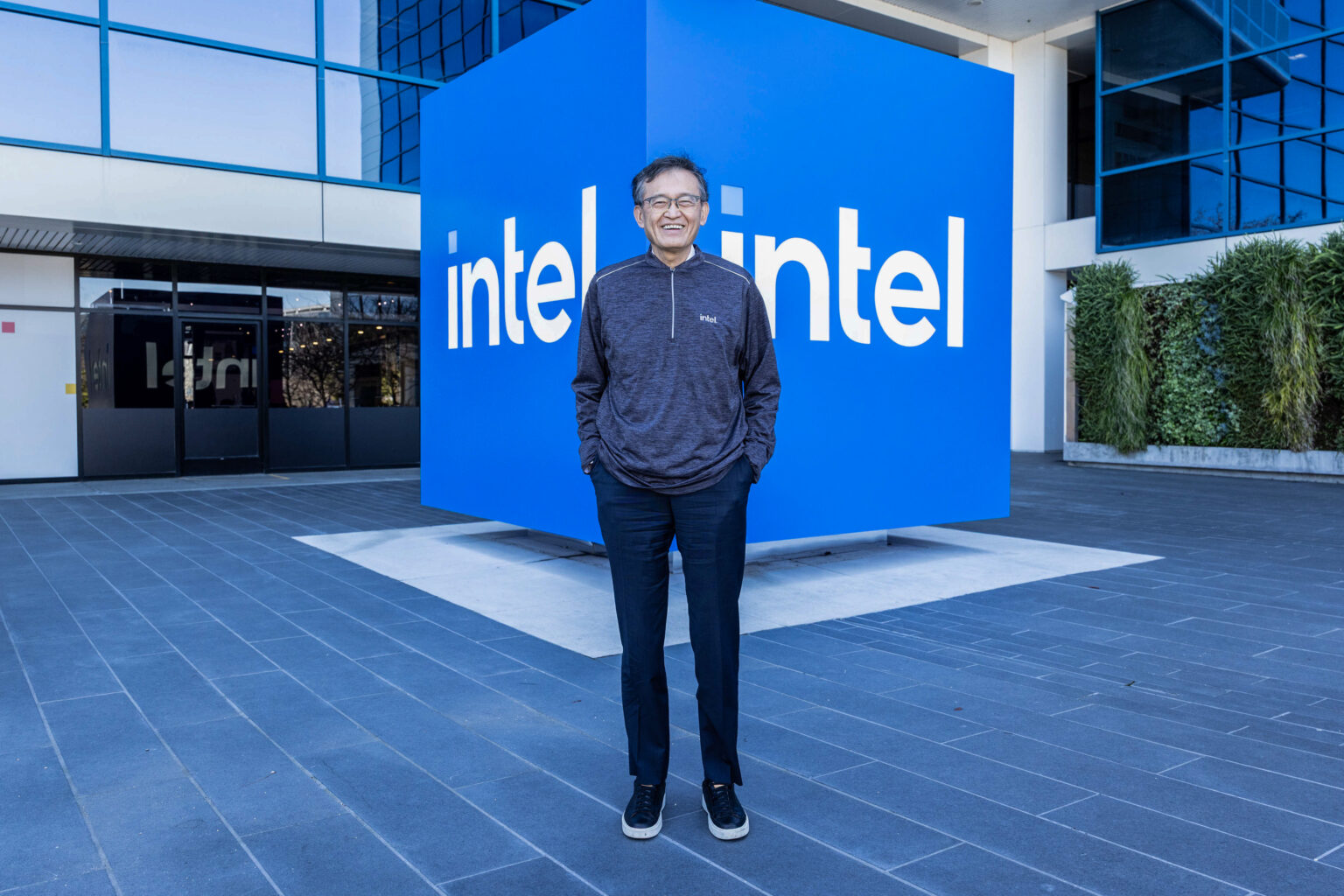
Trump’s Call for Intel CEO Lip-Bu Tan’s Resignation Sparks Mixed Reactions

U.S. President Donald Trump has called for the immediate resignation of Intel CEO Lip-Bu Tan, citing concerns over his extensive investments in Chinese technology companies — including at least eight with reported links to China’s People’s Liberation Army. The demand comes just months after Tan took over leadership of the struggling semiconductor giant.

According to an April Reuters investigation, Tan’s decades-long career includes hundreds of investments in Chinese firms, both personally and through venture funds he founded. On Wednesday, Reuters also reported that Senator Tom Cotton had raised questions about Tan’s ties to China and a recent criminal case involving his former company, Cadence Design Systems.

Reactions from analysts and investors have been sharply divided. Some view Tan’s knowledge of China’s semiconductor industry as an invaluable asset for Intel and the U.S., while others see Trump’s intervention as a sign of escalating political pressure and market uncertainty.

Key reactions:

  • Anshel Sag, Moor Insights & Strategy – Criticized Trump’s call, arguing that Tan’s deep understanding of China’s semiconductor capabilities could benefit Intel and the U.S., making him more valuable rather than less.

  • David Wagner, Aptus Capital Advisors – Said Trump’s move reflects his broader push to bring business back to the U.S., noting the momentum from the recent Apple deal.

  • Ryuta Makino, Gabelli Funds – Suggested Trump’s motives may be tied to Intel’s manufacturing strategy and possible deals with TSMC, calling it “very much a political move.”

  • Blake Anderson, Carson Group – Warned that such political disputes highlight Intel’s reliance on external factors for its manufacturing turnaround, increasing long-term uncertainty.

  • Shiraz Ahmed, Sartorial Wealth – Noted that Trump has a history of publicly criticizing corporate leaders and predicted it will not be the last such intervention.

  • Phil Blancato, Ladenburg Thalmann – Called it a troubling precedent for presidents to dictate corporate leadership, but acknowledged Trump’s opinion carries weight. He added that Intel’s problems extend beyond its CEO and require “real, radical change.”

The Intel board has yet to respond publicly, but the controversy underscores the growing intersection of geopolitics and corporate governance in the U.S. technology sector.
Impactive Capital Prepares Proxy Fight at WEX, Aims to Nominate Four Directors

Activist investor Impactive Capital is preparing a proxy battle against WEX Inc, signaling growing shareholder discontent over the fintech company’s lagging stock performance and board governance. The firm announced plans to nominate at least four directors to WEX’s board at the 2026 annual meeting.

Impactive, which owns approximately 7% of WEX, has been a shareholder since 2020 and has pushed the $4.5 billion company to take steps to unlock value, including spinning off its benefits segment and adding investor representation to the board.

Mounting Tensions After Annual Meeting

  • The announcement comes just days after WEX’s May 15, 2025 annual meeting.

  • Impactive voted against three board members, including Chair Melissa Smith and Lead Director Jack VanWoerkom, citing a lack of responsiveness to investor feedback.

  • Though all three were re-elected, shareholder support for them dropped by at least 33%, according to a regulatory filing.

WEX’s Performance and Shareholder Frustration

  • WEX’s stock is down 30% over the past 12 months, underperforming industry peers like Corpay.

  • Despite holding a strong position in fleet payments, employee benefits, and travel payments, Impactive says WEX has failed to translate operational strengths into shareholder returns.

  • The firm also criticized WEX’s reluctance to align more closely with shareholder interests, claiming the company had dismissed earlier proposals.

WEX’s Response

In a statement, WEX acknowledged ongoing discussions with Impactive, noting it had “spoken with Impactive’s principals dozens of times” over the past three years. However, the company emphasized that Impactive only requested board representation in late 2024 and reiterated its commitment to continued dialogue.

What’s Next

  • Impactive is escalating publicly after years of private engagement.

  • Unless WEX takes “significant steps to reverse underperformance”, the investor says it will proceed with its board nominations for 2026.

  • Impactive has a history of avoiding proxy fights, having only pursued one previously, which ended in a settlement with Envestnet.

This development sets the stage for a potentially contentious boardroom showdown in 2026, with increasing investor focus on unlocking value in the competitive fintech space.

FCC Approves Verizon–Frontier Merger After Company Agrees to Dismantle DEI Programs

The Federal Communications Commission (FCC) has approved Verizon’s $20 billion acquisition of Frontier Communications, after Verizon agreed to terminate its diversity, equity, and inclusion (DEI) programs, marking a controversial turning point in the intersection of telecom policy and corporate governance.

The deal, announced last September, includes $9.6 billion in equity and the assumption of $10 billion in Frontier debt. It is expected to close in early 2026.

Deal Conditions:

  • Verizon will remove all public-facing DEI content, including its Diversity and Inclusion website.

  • The company will eliminate DEI components from employee training, hiring practices, career development, supplier engagement, and sponsorships.

  • All changes will be extended to Frontier once the merger is completed.

  • Verizon will abolish internal DEI hiring goals and eliminate executive compensation metrics tied to workforce diversity.

Verizon recognizes that some DEI policies and practices could be associated with discrimination,” said Verizon Chief Legal Officer Vandana Venkatesh.

FCC and Political Reaction:

  • Republican FCC Commissioner Brendan Carr, a Trump appointee, praised the move:

The FCC ensures that Americans will benefit from common-sense wins,” he said, highlighting the infrastructure benefits and DEI rollback.

  • Carr had previously launched a DEI-related probe into Verizon in February, warning that its DEI policies could affect the approval of the deal.

  • He also signaled a similar investigation into Comcast, part of a broader crackdown aligned with President Trump’s January executive orders dismantling federal DEI initiatives.

However, the FCC’s decision drew sharp criticism from Democrats:

FCC Commissioner Anna Gomez called it “an abuse of regulatory authority” and a capitulation to political pressure.
Senator Ed Markey (D-MA) accused the FCC of weaponizing its merger authority to control speech.”

Infrastructure Impact:

Despite the political firestorm, the FCC emphasized the merger’s benefits to broadband expansion:

  • Verizon aims to upgrade and expand Frontier’s network in 25 states.

  • It plans to deploy fiber to over 1 million homes annually.

  • Verizon also committed to improvements in telecom crew conditions and tower infrastructure investment.

Broader Context:

The deal reflects a growing trend in the Trump administration’s push to link regulatory approval to political and cultural objectives, especially around DEI. For the private sector, it signals that corporate policies on social issues may now influence regulatory outcomes, especially in sectors requiring government approval for mergers and licenses.