Yazılar

Delta Passengers Sue Airline Over Refund Denials Amid Tech Meltdown

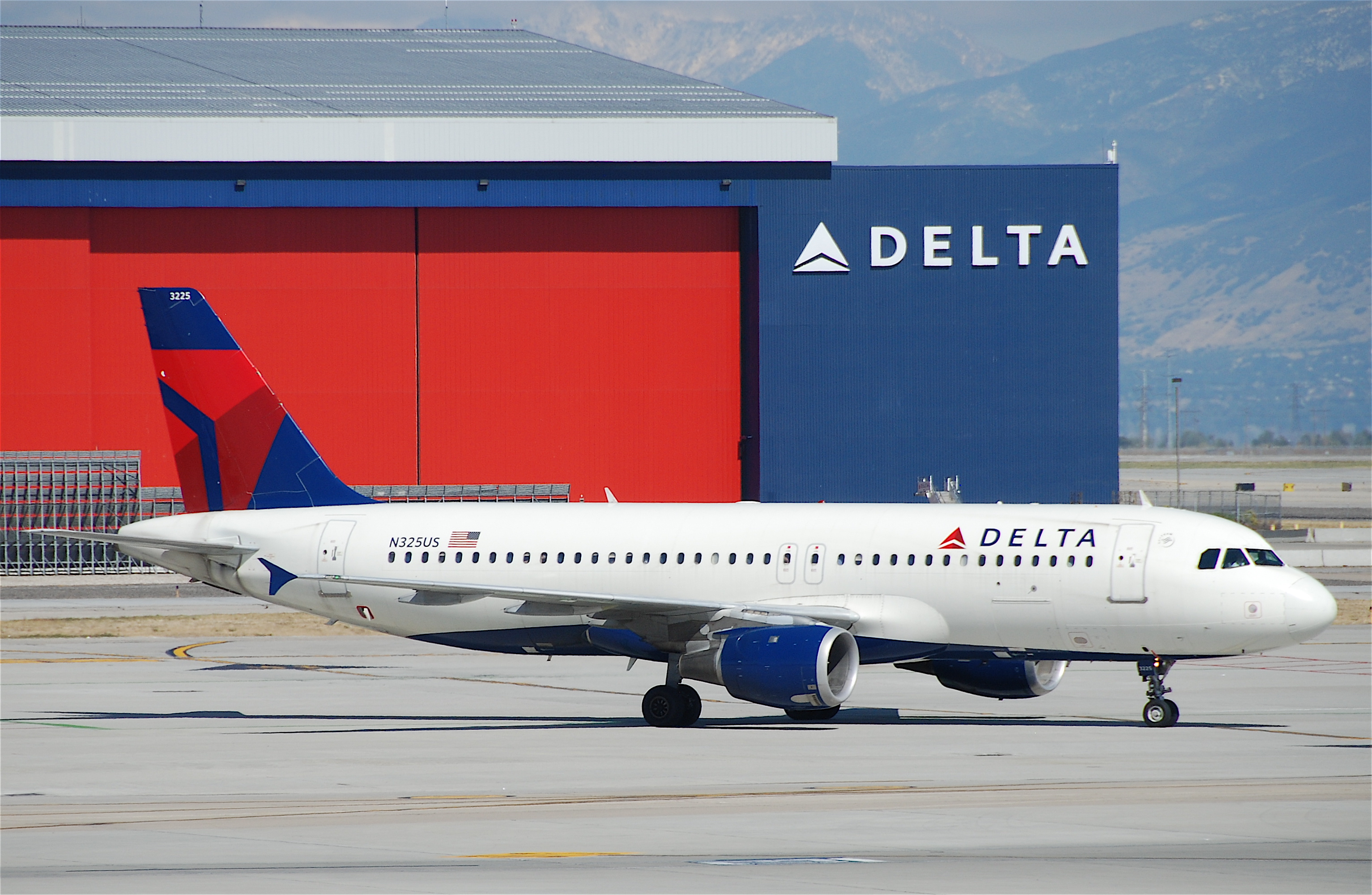
Delta Air Lines faces a class-action lawsuit from passengers affected by a global tech outage in July that led to widespread flight cancellations. The suit alleges that Delta refused or imposed conditions on refunds, leaving travelers stranded and incurring additional expenses.

The legal action comes as Delta, CrowdStrike, and Microsoft engage in a dispute over responsibility for the tech failure on July 19, which disrupted Delta and other companies globally. The lawsuit describes the fallout as “disastrous,” with Delta’s inability to recover quickly stranding passengers worldwide and causing significant distress.

According to the complaint, Delta denied automatic refunds for canceled flights and, in some cases, required passengers to sign waivers to receive partial reimbursement. The lawsuit also claims Delta did not provide meal, hotel, or transportation vouchers, forcing passengers to cover unexpected costs.

Delta’s recovery was slower compared to its competitors, with over 1,250 flights canceled on July 22 alone, following more than 4,500 cancellations between July 19 and July 21. The lawsuit seeks compensation for all affected passengers.

One plaintiff faced multiple cancellations and had to book alternative flights at their own expense. Despite Delta’s assurance of an automatic refund, the plaintiff received a $100 voucher instead of reimbursement for nearly $2,000 in out-of-pocket costs. Other passengers reported missing significant events and having to use alternative transportation due to the cancellations.

Transportation Secretary Pete Buttigieg has expressed concern over the situation and promised continued investigation. Delta’s CEO, Ed Bastian, has blamed CrowdStrike for the incident, claiming the tech firm’s failures cost Delta $500 million and alleging they did not provide adequate support.

CrowdStrike and Microsoft have refuted Delta’s claims, suggesting Delta ignored offers for help and failed to maintain updated IT systems, exacerbating the outage. Microsoft noted that Delta’s crew-tracking system was managed by other providers, not Microsoft, raising questions about Delta’s IT infrastructure decisions.

The case highlights ongoing tensions over tech failures and responsibilities, with Delta, CrowdStrike, and Microsoft each defending their actions amid the fallout.


Global Tech Outage Costs Fortune 500 Companies $5 Billion: CrowdStrike’s Software Glitch Revealed

The recent CrowdStrike software glitch, deemed the largest IT outage in history, has led to substantial financial losses, with Fortune 500 companies alone estimated to face over $5 billion in direct damages. The incident, triggered by a faulty update to CrowdStrike’s Falcon cybersecurity software, has had wide-ranging effects, including flight cancellations, disruptions in healthcare, and financial losses across multiple sectors.

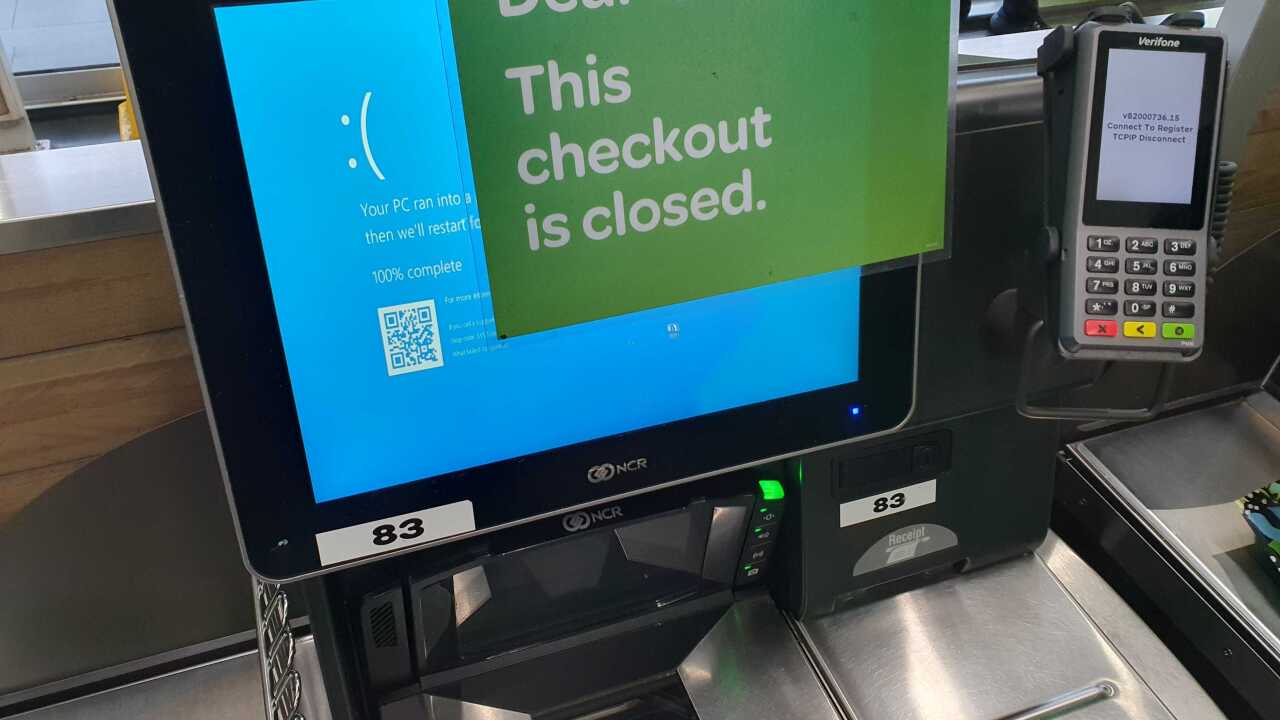
CrowdStrike’s preliminary report, released on Wednesday, details how a software update intended to enhance cybersecurity inadvertently caused millions of Windows computers globally to crash. The glitch occurred due to a bug in CrowdStrike’s cloud-based testing system, which failed to catch problematic content in the update before its release. As a result, affected computers displayed the notorious Blue Screen of Death, necessitating manual fixes for up to 8.5 million devices.

The financial impact has been severe. The healthcare sector experienced losses of $1.94 billion, while the banking industry faced $1.15 billion in damages. Major airlines, including American and United, suffered a collective loss of $860 million. The total estimated cost of the outage for Fortune 500 companies reaches up to $5.4 billion, excluding secondary losses from decreased productivity and reputational damage. Insurance coverage for these losses is expected to be limited, covering only about 10% to 20% of the total costs.

Fitch Ratings highlighted the incident as an example of the risks associated with reliance on single points of failure, as consolidation in the tech industry leads to fewer, more dominant vendors. The firm’s blog post emphasized the growing need for robust risk management and diversification strategies to mitigate such widespread disruptions.

CrowdStrike has committed to preventing future occurrences by enhancing its validation checks and adopting a staggered update release approach. The company is also working on giving customers more control over the timing of updates to avoid similar issues in the future.