
Yazılar

South Korea Central Bank Governor Open to Won-Based Stablecoins but Cautious on Forex Impact

South Korea’s central bank governor, Rhee Chang-yong, expressed openness to the idea of issuing stablecoins denominated in the Korean won but flagged concerns over managing foreign exchange flows. Speaking at a press conference in Seoul, Rhee warned that won-based stablecoins could be easily exchanged for U.S. dollar stablecoins, potentially increasing demand for the dollar-linked tokens and complicating forex management.

Stablecoins are cryptocurrencies pegged to stable assets like the U.S. dollar and are widely used in crypto markets for quick fund transfers. While regulators globally remain wary of cryptocurrencies due to their speculative nature and potential competition with national currencies, South Korea’s government appears poised to embrace won-based stablecoins.

President Lee Jae Myung, who took office recently, is advancing his campaign promise to allow local firms to issue won-backed stablecoins. The ruling Democratic Party introduced the Digital Asset Basic Act this month, aiming to create a regulatory framework for such issuances.

The president also appointed Kim Yong-beom, former crypto firm chief and ex-vice chairman of the Financial Services Commission, as his chief policy officer, signaling stronger government backing for crypto initiatives.

Governor Rhee previously cautioned that letting private companies issue stablecoins could undermine the central bank’s control over monetary policy and capital flows, making regulatory oversight a critical challenge.
US Senate Passes Stablecoin Bill in Milestone for Crypto Industry

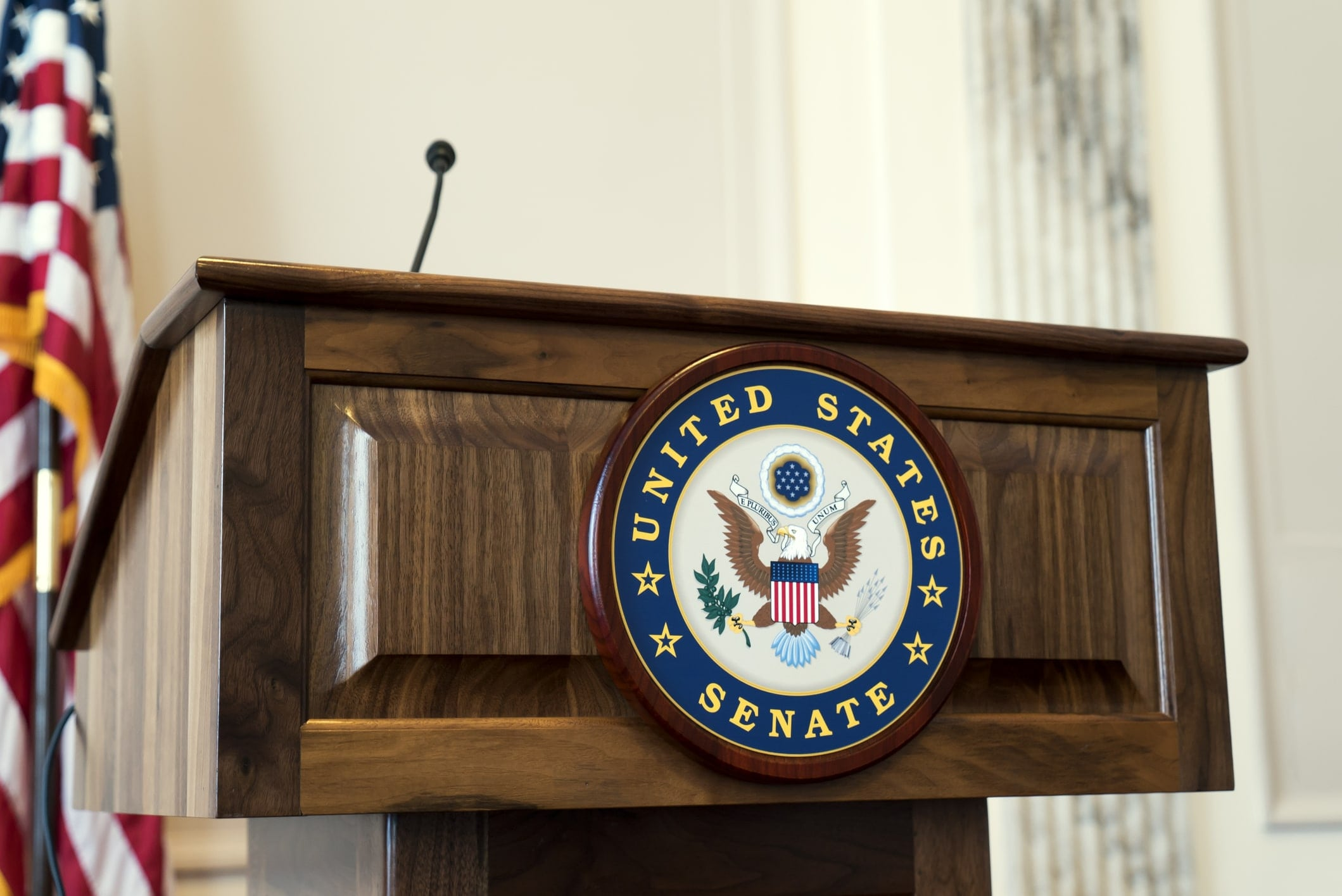
The U.S. Senate on Tuesday approved the GENIUS Act, a bipartisan bill establishing the first federal regulatory framework for stablecoins—cryptocurrency tokens pegged to the U.S. dollar. The bill passed with a vote of 68-30, marking a significant step toward formal oversight of a rapidly growing sector in digital finance.

Stablecoins, which maintain a steady value typically linked 1:1 to the dollar, are widely used by crypto traders for quick transfers between tokens and are increasingly considered for instant payments. If signed into law, the legislation would require stablecoin issuers to back tokens with liquid assets like cash or short-term Treasury bills and publicly disclose reserve compositions monthly.

The crypto industry has advocated for clear regulation, believing it could boost adoption and investor confidence. However, concerns remain among some Democrats and financial watchdogs that the bill could enable big tech firms to issue private stablecoins without sufficient anti-money laundering safeguards or protections against foreign issuers.

The bill now moves to the Republican-controlled House, which must pass its own version before it can be signed by President Donald Trump. Trump’s White House advisers have emphasized a desire to enact stablecoin rules by August.

Critics have also highlighted potential conflicts of interest related to Trump’s own crypto ventures, including a meme coin and a crypto company partly owned by him, though the White House maintains that his assets are held in a trust.

The Conference of State Bank Supervisors has called for amendments to prevent expanding the authority of uninsured banks without state oversight.

Despite these debates, legal experts hail the Senate’s approval as a landmark moment in regulating a fast-evolving financial technology.

Ant Group to Seek Stablecoin Issuer License in Hong Kong

Ant Group, an affiliate of Alibaba and operator of the popular mobile payments app Alipay, announced plans to apply for a license to issue stablecoins in Hong Kong through its overseas arm, Ant International. This follows the recent passage of a stablecoin bill by Hong Kong’s legislature, which establishes a regulatory framework for fiat-referenced stablecoin issuers.

Stablecoins are cryptocurrencies pegged to fiat currencies such as the U.S. dollar, frequently used by traders to move funds between tokens while maintaining stable value.

Ant International said it will apply for the fiat-referenced stablecoin (FRS) issuer license once the licensing process opens after the Stablecoins Ordinance takes effect on August 1.

The company also reportedly plans to pursue stablecoin licenses in other jurisdictions, including Singapore and Luxembourg.

Ant Group was founded by billionaire Jack Ma and is 33% owned by Alibaba. It remains a key player in China’s digital payments ecosystem.