
Yazılar

Stablecoins’ Mainstream Rise Could Shake U.S. Treasury Bill Market Amid Regulatory Push

As stablecoins move closer to mainstream acceptance, segments of the U.S. Treasury market, particularly short-term securities like Treasury bills (T-bills), could face increased volatility due to their growing ties with the cryptocurrency world.

Congress is on the verge of passing legislation that would establish a clear regulatory framework for stablecoins—dollar-pegged cryptocurrencies widely used by traders to shift funds between tokens. Proponents say the new rules will legitimize the sector and encourage more stablecoin activity, which could boost demand for short-term U.S. government debt, considered cash equivalents by many investors.

However, some experts warn that this growing crypto footprint could amplify instability in the T-bill market. Cristiano Ventricelli, senior analyst at Moody’s, cautioned that sudden loss of confidence or regulatory pressure could trigger massive liquidations by stablecoin issuers, potentially depressing Treasury prices and disrupting fixed-income markets. A problem in stablecoins could spill over into broader financial markets, affecting institutions relying on stablecoin liquidity.

If enacted, the legislation would require stablecoins to be backed by liquid assets like U.S. dollars and short-term Treasury bills, along with monthly transparency disclosures on reserve composition. This would likely compel stablecoin issuers such as Tether and Circle to buy more Treasury bills to back their tokens. Currently, these two companies hold approximately $166 billion in U.S. Treasuries.

The stablecoin market, currently around $247 billion, could balloon to $2 trillion by 2028 if the legislation passes, according to Standard Chartered. The Treasury market itself has about $29 trillion in securities outstanding, with $6 trillion in T-bills.

JP Morgan analysts estimate stablecoin issuers could become the third-largest buyers of Treasury bills in the near future, raising concerns about tighter links between crypto and traditional finance. The Treasury Borrowing Advisory Committee warned that growth in stablecoins might reduce banks’ demand for Treasuries and impact credit growth.

Experts also caution about potential liquidity risks. If stablecoin issuers are forced to sell Treasuries rapidly, it could cause price drops and credit crunches in money markets, which invest heavily in short-term debt.

While past stablecoin issues—like Tether’s brief loss of its dollar peg in 2022 or Circle’s 2023 peg break tied to Silicon Valley Bank’s failure—did not cause systemic market disruptions, the scale of risk could rise with wider adoption driven by federal regulation.

On the positive side, some see the legislation as a market stimulant. Matt Hougan of Bitwise Asset Management argues that codifying stablecoins will expand the global dollar footprint, strengthening the dollar’s role as the world’s reserve currency. Roger Hallam of Vanguard suggests increased demand for short-term Treasuries could encourage the U.S. Treasury to issue more T-bills instead of long-term debt, easing market tensions and balancing fiscal funding needs.

Stablecoins Drive Volatility in Brazilian Capital Flows, Warns Central Bank

Brazil’s central bank has raised concerns over the increasing use of U.S. dollar-backed stablecoins, warning they are fueling volatility in the country’s capital flows. According to Deputy Governor Renato Gomes, this trend is largely due to the way stablecoins enable the transfer of money abroad without passing through traditional financial channels.

Speaking at a monetary policy event hosted by the OMFIF think tank in London, Gomes explained that around 90% of Brazil’s recent crypto asset activity is tied to stablecoins, which are pegged to major currencies like the U.S. dollar. He emphasized that while this innovation has benefits, it also poses risks.

“One of the worrisome issues is that they offer a bypass instance,” Gomes stated. “You can get the stablecoins, and when you get to the United States or anywhere else, you can cash out and use an account in dollars, avoiding normal regulations.”

This method is becoming increasingly popular for remittances, with some U.S. ATMs now allowing direct withdrawals in dollars from stablecoin wallets. The result, according to Gomes, is a more erratic movement of capital, as stablecoins allow almost anyone to transfer funds internationally with little oversight.

He also pointed to regulatory gaps, noting that Brazil’s largest real-backed stablecoin issuer is headquartered in Switzerland. “We don’t have reach on these issuers,” Gomes said, stressing the need for international collaboration to effectively regulate the stablecoin sector.

Brazil’s central bank continues to monitor the issue closely as it explores new ways to safeguard the stability of its financial system in the face of fast-moving digital innovations.

CFTC Commissioner Summer Mersinger to Lead Blockchain Association as New CEO

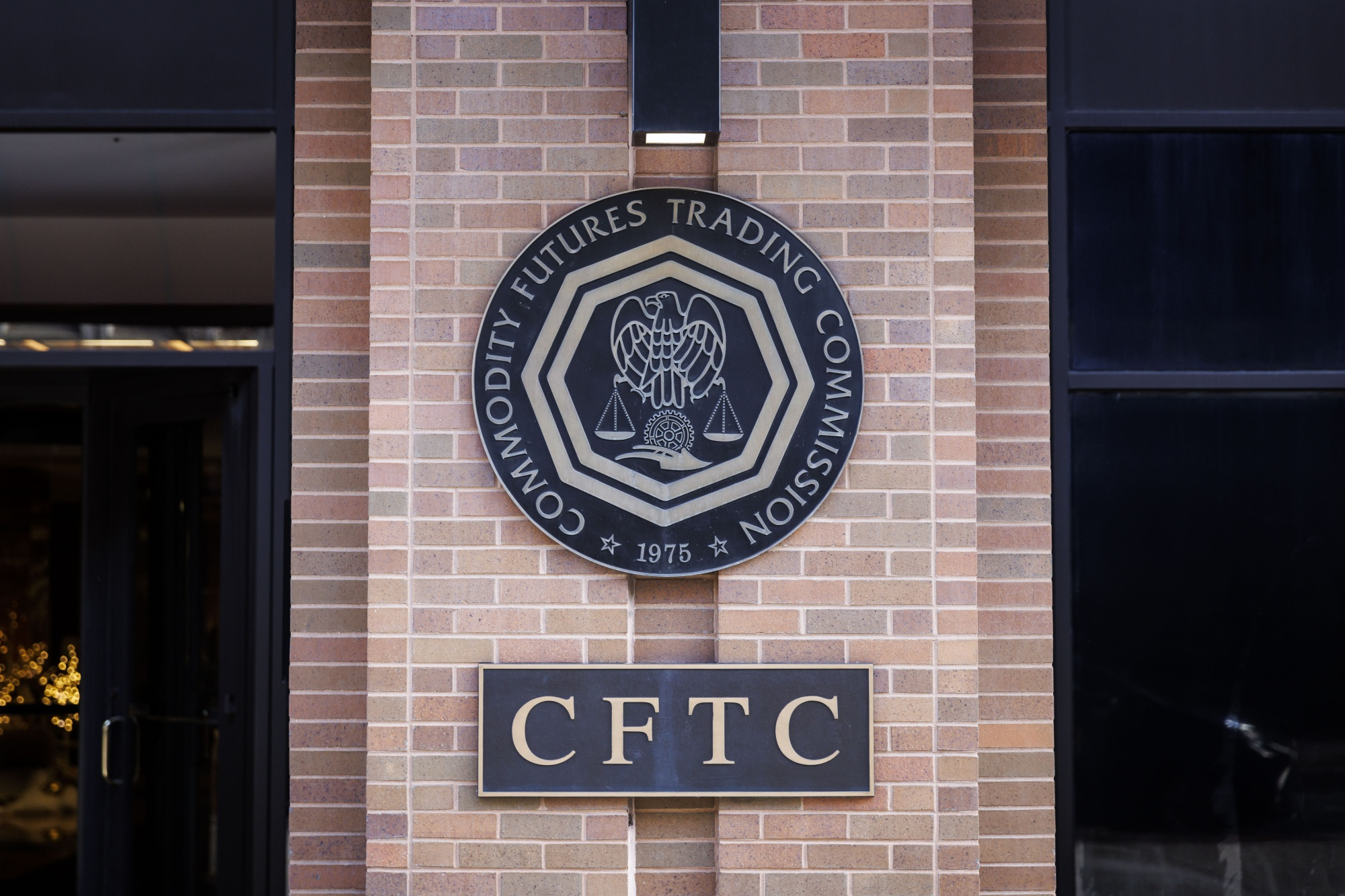
Summer Mersinger, a commissioner at the U.S. Commodity Futures Trading Commission (CFTC), announced her resignation on Wednesday to become the new CEO of the Blockchain Association, a leading cryptocurrency lobbying group. Mersinger will officially assume the role on June 2, following the departure of current CEO Kristin Smith, who is joining the Solana Policy Institute.

Mersinger, a Republican appointee nominated by President Joe Biden in 2022, had been considered a contender for CFTC Chair before President Donald Trump selected former crypto executive Brian Quintenz to lead the agency earlier this year.

The Blockchain Association praised Mersinger’s experience and regulatory insight, calling her the “ideal leader to take the industry to new heightsas crypto lobbying efforts intensify in Washington.

I’m excited to join the Blockchain Association at a time when digital asset policy is at a critical juncture,” Mersinger said in a brief statement.

Sarah Milby, the group’s current head of policy, will serve as interim CEO until the leadership handover is complete.

Timing and Political Context

Mersinger’s appointment comes as the crypto industry ramps up advocacy for comprehensive regulation, especially following last week’s Senate setback on stablecoin legislation. The bill, which aimed to establish a legal framework for dollar-pegged cryptocurrencies, failed to advance.

Meanwhile, President Trump, who has declared himself a “crypto president,” continues to align closely with the industry:

  • He has formed a federal cryptocurrency working group to explore regulatory approaches.

  • In March, he signed an executive order to establish a national bitcoin stockpile.

  • The Trump campaign is actively courting crypto-linked political contributions.

Industry Implications

Mersinger’s shift from regulator to industry advocate is emblematic of the revolving door between Washington and the crypto sector, and could bolster the Blockchain Association’s push for clearer digital asset laws in Congress.

Her deep understanding of the CFTC’s regulatory structure and jurisdiction over crypto derivatives markets will likely enhance the group’s influence amid ongoing turf battles between the SEC, CFTC, and Congress over who should regulate digital assets.