Yazılar

US SEC Clarifies Stablecoins Do Not Qualify as Securities Requiring Registration

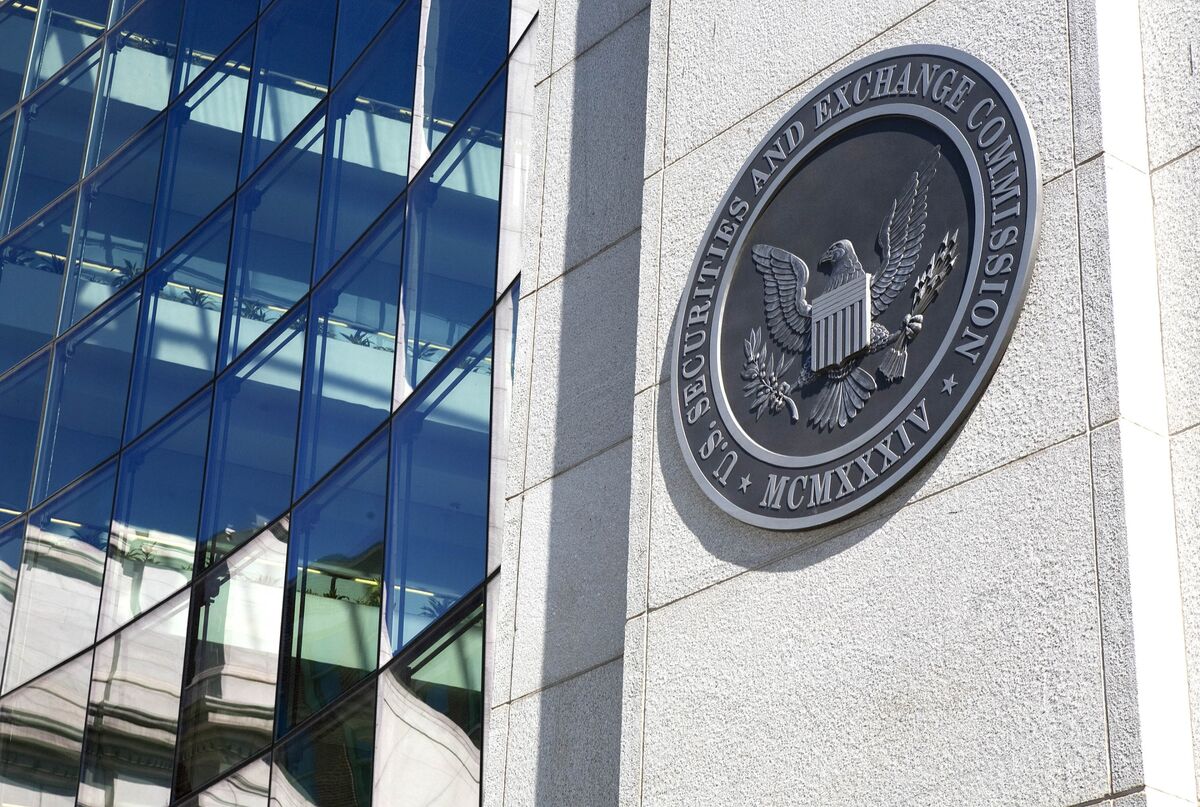
The U.S. Securities and Exchange Commission (SEC) has provided much-needed clarity to the crypto industry by stating that, in general, stablecoins are not considered securities and do not require registration with the agency. This clarification marks a significant shift in regulatory tone and provides a level of assurance to stablecoin issuers and exchanges operating within the United States. The SEC’s position could help pave the way for further innovation and adoption of stablecoins, particularly those backed by traditional assets like the U.S. dollar or commodities.

In its announcement, the SEC specified that this determination applies to stablecoins that are fully backed by high-quality liquid assets. These can include fiat currencies such as the U.S. dollar, commodities like gold, or a pool of other reliable assets. This means that stablecoins like USDC, which maintain a 1-to-1 backing with fiat currency, are not subject to the same registration requirements as securities. Circle Internet Group President Heath Tarbert welcomed the decision, stating it provides clear regulatory certainty for well-structured stablecoins while cautioning that not all crypto assets labeled as “stablecoins” fall under this exemption.

However, the SEC also made it clear that the determination does not grant blanket immunity to all digital assets marketed as stablecoins. In a footnote, the agency emphasized that each stablecoin will still be subject to individual evaluation. This case-by-case approach ensures that only those assets meeting the strict criteria of full backing and liquidity transparency will be excluded from securities classification, while others may still come under scrutiny.

The move is likely to have broader implications for digital asset legislation in the U.S. It could accelerate discussions in Congress around comprehensive stablecoin regulations and a broader digital asset market-structure bill. With the SEC’s position now clarified, lawmakers may feel more confident in advancing bipartisan efforts to create a regulatory framework that supports innovation while safeguarding investors in the rapidly evolving crypto economy.
Circle, Issuer of USDC, Files for IPO with US SEC: Key Details Revealed

Circle, USDC Issuer, Files for IPO with SEC: Plans for Public Offering Revealed

Circle, the company behind the popular USDC stablecoin, has officially announced plans to go public. The US-based crypto firm recently submitted its registration paperwork for an initial public offering (IPO) with the US Securities and Exchange Commission (SEC). Pending approval, Circle intends to list its shares on the New York Stock Exchange (NYSE) under the ticker symbol “CRCL.” As part of the IPO process, Circle has filed the SEC’s S-1 form, a comprehensive document that provides crucial information about the company’s business and financial performance to both regulators and potential investors.

The filing reveals important details about Circle’s stock structure. The company plans to issue three classes of common stock: Class A shares, which will have one vote per share; Class B shares, offering five votes per share but capped at 30% of total voting power; and Class C shares, which will be non-voting. Despite the dual-class voting system that grants extra power to the founders, Circle has clarified that it will not be classified as a “controlled company” under NYSE rules, meaning it will still have to adhere to standard corporate governance practices.

While the specific number of shares Circle plans to offer and its target IPO price remain undisclosed, the filing does provide insight into the company’s financial performance. As of December 31, 2024, Circle reported that its assets under management were valued at approximately $1.6 billion (around Rs. 13,694 crore). This indicates strong financial standing and the company’s potential for future growth as it looks to expand its public presence.

In its S-1 form, Circle also highlighted the growth of its stablecoin-related reserves, which have surged from $735.9 million (around Rs. 6,299 crore) in 2022 to $1.7 billion (around Rs. 14,554 crore) by 2024. The company noted that 99% of its revenue last year came from the reserves associated with its stablecoin, USDC. Additionally, Circle generates income through yield-bearing Treasury bills, further diversifying its revenue streams. This filing marks a significant step for Circle as it prepares for what could be one of the most high-profile crypto-related IPOs to date.

US CFTC and FDIC Lift Crypto Restrictions for Banks: Full Details Explained

The US Commodity Futures Trading Commission (CFTC) and the Federal Deposit Insurance Corporation (FDIC) have lifted crypto-related restrictions that were put in place during the Biden administration. This move marks a significant shift in the regulatory landscape for financial institutions and paves the way for traditional banks to explore the growing cryptocurrency sector. Under the new guidelines, banks under the FDIC’s supervision no longer require prior approval to engage in crypto-related activities. This change aims to encourage financial institutions to embrace emerging crypto use cases without the burden of additional bureaucratic hurdles.

The CFTC has also clarified its stance on crypto derivatives, stating that these financial products will now be regulated in the same way as other derivative instruments in the US. This uniform regulatory approach is expected to simplify the legal landscape for banks and financial firms, making it easier for them to participate in the crypto market. The goal behind these regulatory shifts is to facilitate the integration of cryptocurrencies into the traditional financial system, ultimately driving innovation while maintaining oversight to ensure stability and security.

The shift in policy also reflects a broader trend in the US towards a more crypto-friendly regulatory environment. Under the previous administration of President Donald Trump, there was already a pro-crypto stance, but now, with the current leadership, agencies like the US Securities and Exchange Commission (SEC) are taking further steps to establish clear regulations for the Web3 industry. The federal government is working to bridge the gap between traditional financial systems and the decentralized world of cryptocurrencies, signaling a willingness to adapt to the rapidly evolving financial landscape.

With these changes, FDIC-supervised banks are now authorized to engage in a range of crypto-related activities, including offering crypto custodian services, maintaining stablecoin reserves, participating in blockchain-based settlement systems, and even issuing digital assets. However, these institutions are still required to manage associated risks carefully, such as market volatility, liquidity issues, operational challenges, cybersecurity threats, and compliance with anti-money laundering and consumer protection regulations. By removing the prior approval requirement, the FDIC is signaling confidence in the industry’s potential while ensuring that banks operate responsibly within this space.