Yazılar

Japan Considers Legalizing Crypto Assets to Curb Insider Trading

Japan Moves Toward Legal Recognition of Crypto Assets Amid Regulatory Overhaul

Japan is reportedly preparing to grant legal status to cryptocurrencies by amending the Financial Instruments and Exchange Act, a significant move that could reshape the country’s digital asset landscape. Spearheaded by the Financial Services Agency (FSA), the initiative is designed to bring cryptocurrencies under tighter regulatory control while simultaneously promoting innovation and growth within the sector. One of the primary motivations behind the change is to combat insider trading, which has become an increasing concern as crypto adoption rises.

According to a report by Nikkei Asia, the FSA is now conducting a comprehensive review of Japan’s existing financial regulations to identify the necessary updates that would allow for the legal classification of cryptocurrencies as financial products. This process is being carried out behind closed doors, with participation from select industry experts who will help the FSA navigate the technical and legal complexities involved.

The reform process is expected to progress over the next year, with the FSA aiming to finalize its analysis and present a draft bill to the Japanese parliament by 2026. If approved, this legislation would require all firms involved in crypto-related investments or activities to register with financial regulators—an obligation that currently applies only to cryptocurrency exchanges operating within the country.

By granting crypto assets formal legal recognition, Japan hopes to foster a safer and more transparent trading environment. This step could also set a precedent for other nations grappling with how to integrate cryptocurrencies into their financial systems. At the same time, it underscores the balancing act regulators face in trying to support innovation while protecting investors and preserving market integrity.
Trump Pardons BitMEX Co-Founders and Former Employee

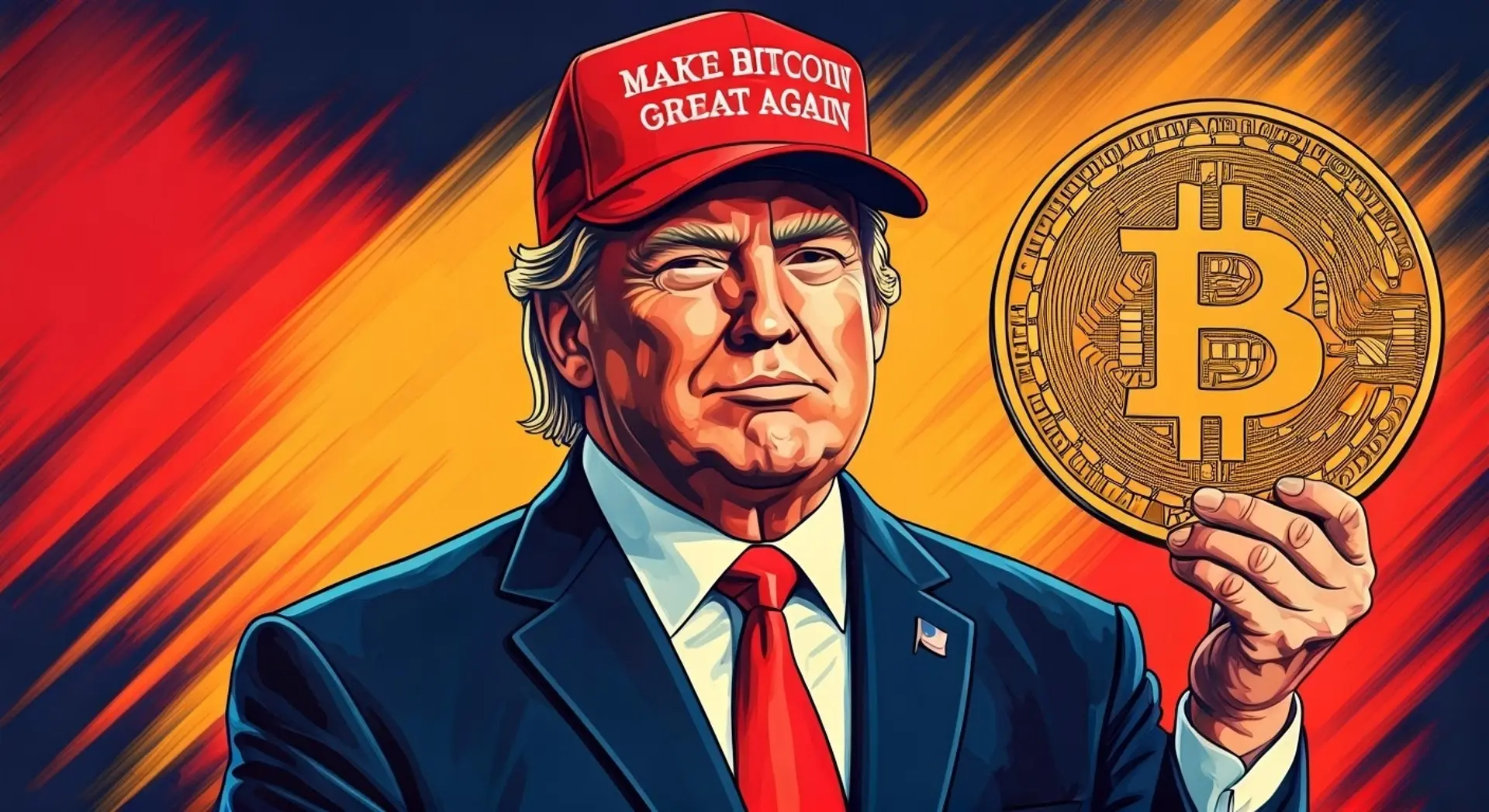
U.S. President Donald Trump has granted pardons to the three co-founders of cryptocurrency exchange BitMEX—Benjamin Delo, Arthur Hayes, and Samuel Reed—along with former employee Gregory Dwyer and the entity operating the exchange. The decision, confirmed by a White House official on Friday and by BitMEX itself, comes after the co-founders pleaded guilty in 2022 for failing to comply with anti-money laundering (AML) regulations under the Bank Secrecy Act.

The pardons are viewed as a positive development for the crypto industry, particularly as optimism grows regarding looser regulations under Trump. Throughout his campaign, Trump courted crypto donors and pledged support for the sector. The BitMEX founders had faced accusations of willfully violating the Bank Secrecy Act between 2015 and 2020 by not adopting proper anti-money-laundering and “know your customer” (KYC) programs.

In addition to the BitMEX pardons, Trump also pardoned Trevor Milton, the founder of the bankrupt electric truck company Nikola, who was convicted of fraud.

FDIC Allows Banks to Engage in Crypto Activities Without Prior Approval

The Federal Deposit Insurance Corporation (FDIC) announced on Friday that U.S. banks no longer need to obtain advance permission to engage in certain cryptocurrency-related activities, as long as they manage associated risks appropriately. This decision marks a significant shift in the FDIC’s stance on crypto, overturning previous policy which required banks to clear any crypto involvement in advance.

Acting FDIC Chairman Travis Hill praised the change, stating, “The FDIC is turning the page on the flawed approach of the past three years.” Hill further indicated that there would be more regulatory clarifications in the future to guide banks’ engagement with crypto products and services.

The FDIC’s decision follows a similar move by another U.S. bank regulator, the Office of the Comptroller of the Currency (OCC), which has also been easing restrictions to allow banks more flexibility in participating in the crypto sector.