Yazılar

Taiwan warns of surge in Chinese cyberattacks and “online troll army”

Taiwan’s National Security Bureau (NSB) has reported a 17% rise in Chinese cyberattacks targeting its government systems so far in 2025, amounting to an average of 2.8 million attacks per day. The agency warned that Beijing is deploying an “online troll army” to amplify disinformation and undermine public trust in the island’s institutions.

The NSB report, presented to parliament, described these as systemic cyberattacks focusing on key sectors such as defence, telecommunications, energy, and healthcare. Beyond espionage, the operations reportedly use the dark web, internet forums, and social media to spread fabricated content and erode public confidence in Taiwan’s cybersecurity capabilities.

Taiwan’s authorities accuse China of using “grey-zone” tactics — hybrid measures that combine military drills, cyber intrusions, and propaganda — to pressure the island into accepting Beijing’s sovereignty claims. China’s Taiwan Affairs Office declined to comment, though Beijing has repeatedly denied involvement in hacking and instead claims it is a victim of Taiwanese cyber operations.

The report also flagged more than 10,000 suspicious social media accounts, mostly on Facebook, that collectively spread over 1.5 million pieces of disinformation. These campaigns reportedly promote pro-China narratives, attack Taiwan’s leadership, and attempt to sow distrust toward the United States, Taipei’s key ally and arms supplier.

According to the NSB, AI-generated memes and targeted digital propaganda have become central tools in China’s information warfare strategy ahead of Taiwan’s elections and trade talks with Washington.
Poland warns of surge in Russian cyberattacks on critical infrastructure

Poland is facing an unprecedented wave of cyberattacks, much of it traced to Russian military intelligence, according to the country’s digital affairs minister, Krzysztof Gawkowski. He told Reuters that Russia has tripled its cyber resources directed at Poland this year, targeting sectors vital to national security.

Of the 170,000 cyber incidents recorded in the first nine months of 2025, a “significant portion” was attributed to Russian state-linked actors, while the rest involved financially motivated cybercrime. Poland now faces 2,000–4,000 attacks daily, of which 700–1,000 pose real threats to key infrastructure, Gawkowski said.

The minister noted that Russian groups are expanding their focus beyond water and sewage systems to include energy networks, and warned that the activity is becoming more coordinated and sophisticated. “Russian activity is the most severe because it targets infrastructure essential to maintaining normal life,” he said.

A major escalation occurred on September 10, when a cyberattack coincided with a Russian drone strike, marking Poland’s largest coordinated digital assault since the start of the Ukraine war in 2022. False claims spread online that Ukraine had launched the drones, amplified by bot networks that had been dormant for years before suddenly reactivating.

Warsaw officials say Poland has become Russia’s top cyber target within NATO, due to its support for Kyiv and its strategic role in supplying Ukraine. The Russian embassy in Warsaw did not respond to requests for comment but has consistently denied involvement in cyber operations.

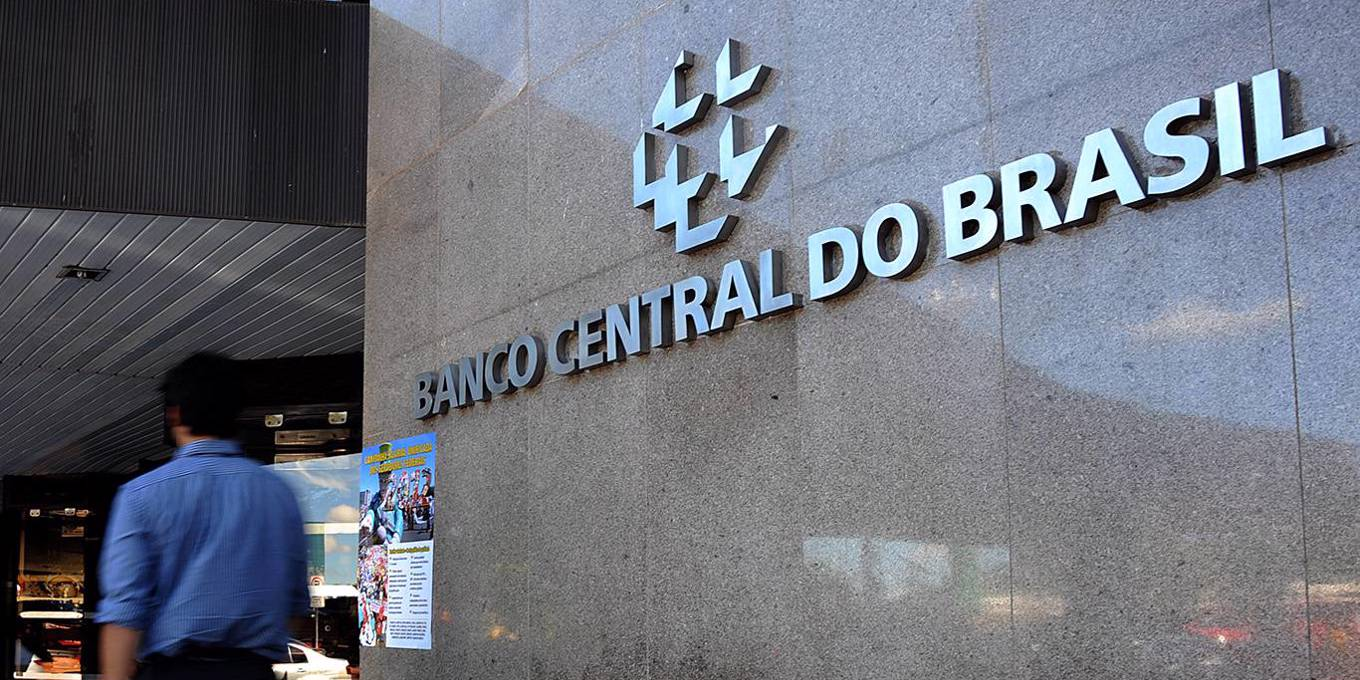
Brazil’s Central Bank Tightens Financial System Security After Cyberattacks

Brazil’s central bank unveiled new rules on Friday to bolster the resilience of the financial system following a wave of cyberattacks targeting financial institutions.

Effective immediately, non-authorized payment institutions connected to the National Financial System Network through IT providers will face a 15,000 reais ($2,767) cap on digital transfers. Central bank Governor Gabriel Galipolo explained that nearly all corporate transfers using Pix or TED already fall below this threshold, meaning the cap will mainly disrupt criminal attempts to move large sums in single operations.

“This measure is aimed at organized crime, not the financial institutions,” Galipolo stressed. By forcing attackers to carry out multiple smaller transactions, the central bank hopes to make illicit activity easier to detect.

In addition, the deadline for unauthorized firms to apply for a banking license has been moved up from December 2029 to May 2026, accelerating regulatory oversight. Going forward, no payment institution will be allowed to operate without prior approval.

Regulation director Gilneu Vivan also announced that long-awaited cryptoasset regulations will be issued later this year, building on a framework approved by Congress in 2022. Officials have raised concerns about the use of stablecoins in illicit financial flows.

Galipolo reassured markets that the banking system remains sound, despite heightened scrutiny. “There is no risk to Brazil’s banking system. The system is stable and there is no threat whatsoever,” he said.

On geopolitical risks, Galipolo called U.S. sanctions against Brazilian Supreme Court Justice Alexandre de Moraes under the Magnitsky Act “unusual.” While he declined to comment on the central bank’s recent decision to block the acquisition of lender Master by BRB due to confidentiality, he noted that all board decisions are taken collectively and based on technical grounds.

The sanctions against Moraes — which freeze his U.S. assets and restrict business with American firms — have sparked questions about potential spillover effects on Brazilian banks with U.S. operations, though the central bank said it is closely monitoring the situation.