Yazılar

US Charges Russian-Israeli Dual National Linked to Lockbit Ransomware Group

The U.S. Department of Justice announced on Friday that it has charged Rostislav Panev, a Russian-Israeli dual national, for his alleged involvement with the Lockbit ransomware group. The 51-year-old was arrested in Israel in August and is awaiting extradition to the U.S.

Panev, who was a developer for Lockbit from its inception in 2019 through at least February 2024, played a role in the group’s rise to become one of the most active and destructive ransomware operations in the world, according to the DOJ.

Lockbit and its malware were responsible for cyberattacks on over 2,500 victims across more than 120 countries, including small businesses, large corporations, hospitals, schools, and even government agencies. The group operated a ransomware-as-a-service model, working with affiliates to carry out attacks while sharing the extortion proceeds.

The DOJ estimates that Lockbit and its affiliates extorted at least $500 million from victims, alongside significant financial losses from disruption and recovery efforts.

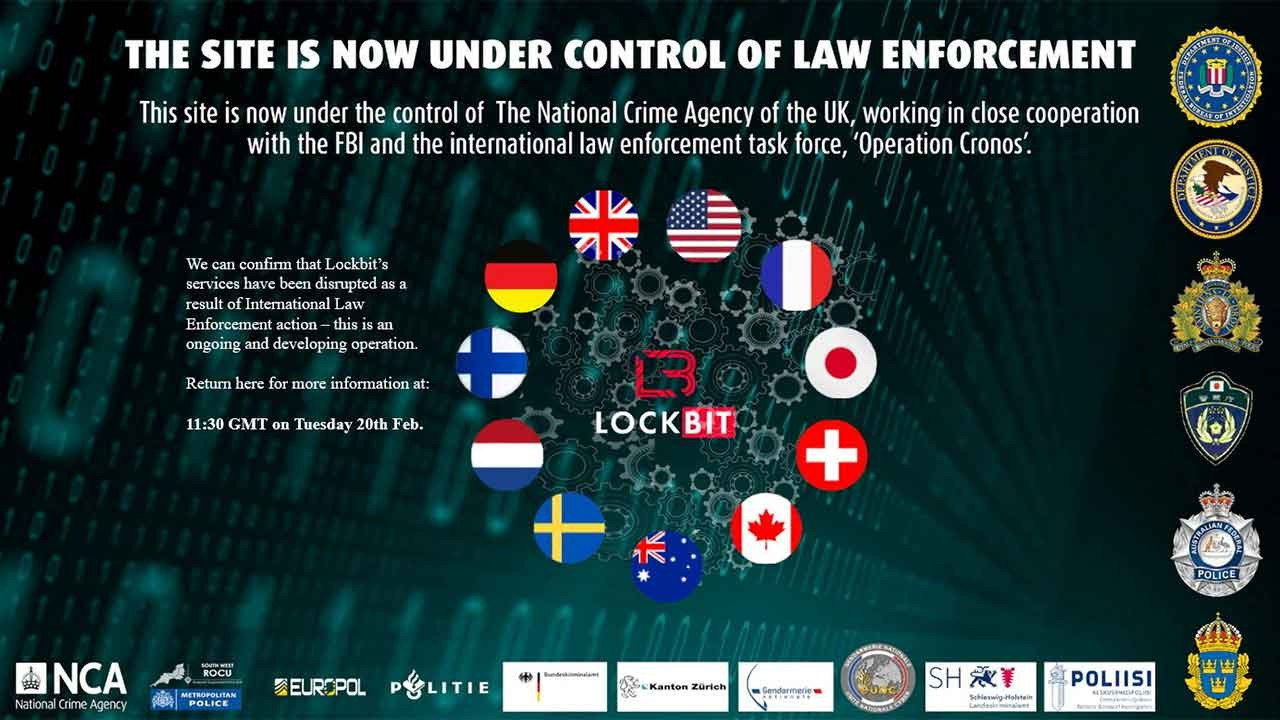
Panev’s arrest follows recent developments in the case, including guilty pleas from two other Lockbit members in July, and a major seizure of Lockbit websites by law enforcement in February. While the group resurfaced after these actions, cybersecurity experts agree that these efforts have significantly weakened Lockbit’s influence in the cybercrime world.


 

Losses from Crypto Hacks Surge to $2.2 Billion in 2024, Report Shows

Funds stolen from cryptocurrency platforms by hackers surged by 21% in 2024, reaching a staggering $2.2 billion, according to a report from blockchain analysis firm Chainalysis. This marks the fourth consecutive year in which crypto heists have exceeded $1 billion, with the number of incidents rising to 303 from 282 in 2023. In comparison, hackers stole $1.8 billion last year.

Surge in Crypto Hack Incidents

The rise in hacking activity comes amid a significant increase in the value of bitcoin, which has jumped 140% this year, surpassing the $100,000 mark. This surge in value has attracted institutional participation and notable support, including backing from U.S. President-elect Donald Trump. As the digital asset market expands, the report highlights that illicit activities, including hacking and fraud, have also risen in tandem.

Majority of Hacks Target Centralized Platforms

The report indicates that compromises to private keys, which control access to users’ crypto assets, accounted for the majority of stolen funds. Most of the hacks targeted centralized platforms, which are particularly vulnerable to such attacks.

Among the most significant hacks were the theft of over $305 million from Japan’s DMM Bitcoin exchange in May and the loss of $235 million from India’s WazirX exchange in July.

North Korea’s Role in Crypto Hacks

One of the most concerning findings in the report is the dramatic increase in crypto hacking linked to North Korea, which more than doubled from 2023 to a record $1.3 billion in 2024. Chainalysis suggests that cryptocurrency is used by North Korea to circumvent international sanctions, though the country routinely denies any involvement in such cyber crimes.

Outlook for 2025

With the rise in crypto-related crimes, experts from Chainalysis warned that addressing fraud and other illicit activities will be a major challenge for the industry moving into the new year.


Global Operation Dismantles ‘Ghost’ Cybercrime Platform, 51 Arrested

An international law enforcement operation has successfully taken down the encrypted communication platform, Ghost, which was widely used by criminal organizations for large-scale drug trafficking and money laundering, Europol announced on Wednesday. The operation led to the arrest of 51 suspects from various countries, and officials expect additional arrests in the coming days.

The Ghost platform had become notorious among organized crime networks due to its advanced security features, which made it a preferred tool for illegal activities. Europol hailed the platform’s dismantling as a major victory in the global fight against organized crime. “This was truly a global game of cat and mouse, and today, the game is up,” said Jean-Philippe Lecouffe, Europol’s Deputy Executive Director.

The extensive operation also prevented multiple threats to life, dismantled a drug production lab in Australia, and resulted in the global seizure of weapons, drugs, and over €1 million in cash. Catherine De Bolle, Europol’s Executive Director, described Ghost as “a lifeline for serious organized crime,” and emphasized that the operation demonstrated that no criminal network is beyond the reach of international law enforcement.

Authorities from Australia, Canada, France, Iceland, Ireland, Italy, the Netherlands, Sweden, and the United States collaborated in this operation, highlighting the global commitment to combat organized crime. As investigations continue, more illegal activities are expected to be disrupted in the coming weeks.