Yazılar

America’s Largest Power Grid Struggles to Meet Surging AI and Data Center Demand

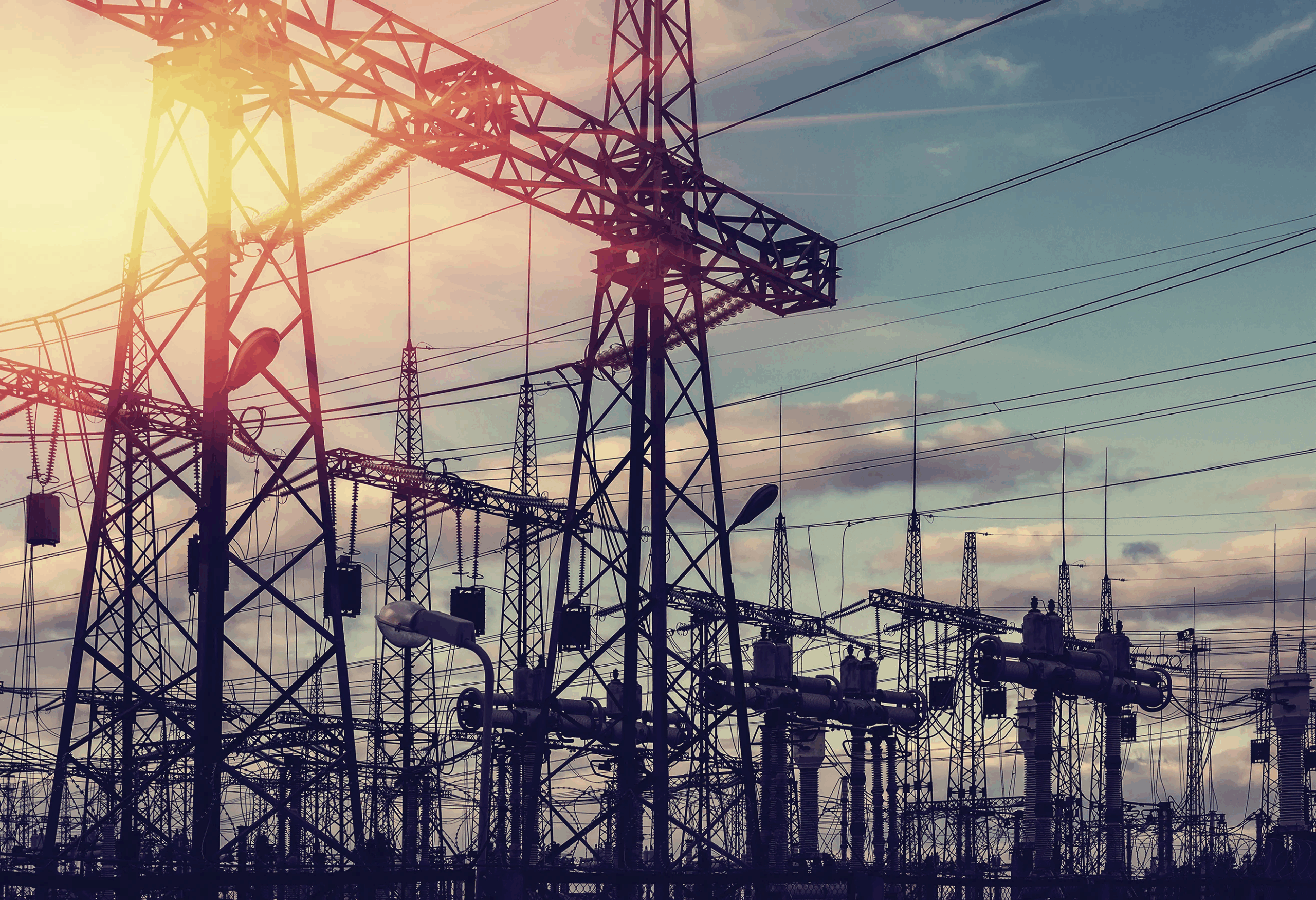
America’s largest power grid, managed by PJM Interconnection and covering 13 states from Illinois to Tennessee, is facing significant strain as data centers and AI chatbots rapidly increase electricity consumption—outpacing the grid’s ability to build new power plants. This has led to sharp electricity price increases, with bills projected to rise over 20% this summer in some areas.

The rising costs stem from an 800% jump in prices at PJM’s annual capacity auction last year, which sets rates to ensure electricity availability during extreme weather. These price hikes trickle down to consumers and have sparked political and organizational upheaval: Pennsylvania’s governor has threatened to pull the state from PJM, the grid’s CEO announced he will step down, and key board members have been replaced.

The auction is scheduled again soon, with expectations of further price rises, driven by a growing mismatch between supply and demand. Aging power plants are retiring faster than new ones come online, and PJM has delayed auctions and paused accepting applications for new power plants—actions that experts say exacerbate the shortage.

Pennsylvania Governor Josh Shapiro emphasized the need for transparency, speed, and cost control from PJM. The grid operator attributes the supply crunch partly to external factors, such as state policies that closed fossil fuel plants prematurely and soaring demand from data centers, especially in “Data Center Alley” in Northern Virginia.

Although PJM has cleared about 46 gigawatts of new power projects in recent years—enough for 40 million homes—many face delays due to local opposition, supply chain issues, and financing problems. PJM lost more than 5.6 gigawatts of power capacity in the last decade and added only about 5 gigawatts in 2024, less than smaller grids in California and Texas.

Demand from data centers alone is expected to increase by 32 gigawatts by 2030, with AI-related workloads significantly contributing to the surge.

The power crunch intensified after PJM paused processing new power plant applications in 2022, overwhelmed by renewable project requests, and after AI chatbots like ChatGPT gained popularity in 2023, boosting data center energy use. Consumer groups have called for a redo of the 2024 capacity auction, citing unfairly high prices.

In response, PJM implemented reforms including price caps and biannual auctions, and expedited the connection of 51 power projects, but many will not be operational until 2030 or later. For example, the Three Mile Island nuclear plant restart, contracted by Microsoft, won’t come online before 2027.

Experts warn that PJM must improve its processing of new power plant applications to effectively address the supply-demand imbalance and prevent blackouts.

CoreWeave to Acquire Core Scientific in $9 Billion AI Infrastructure Deal

CoreWeave announced on Monday it will acquire bitcoin miner Core Scientific in an all-stock deal valued at approximately $9 billion, as AI infrastructure companies intensify efforts to secure energy and data center capacity to meet surging demand. The deal reflects a broader trend where crypto firms—once focused on digital assets—are becoming essential to powering artificial intelligence workloads.

Core Scientific shareholders will receive 0.1235 CoreWeave shares for each of their shares, valuing the company at $20.40 per share—a 66% premium from the stock’s last closing price before deal talks emerged in late June. Despite this, Core Scientific shares dropped 22% in early trading Monday, while CoreWeave shares slid 4.5%.

The acquisition is expected to close in Q4 2025, with the final price set at that time. CoreWeave CEO Michael Intrator said the deal will “accelerate our strategy to deploy AI and HPC workloads at scale” and eliminate over $10 billion in future lease liabilities over 12 years.

A Strategic Pivot from Crypto to AI

Bitcoin miners, known for their energy-intensive operations, are increasingly being courted by AI companies. CoreWeave will gain control of Core Scientific’s 1.3 gigawatts (GW) of contracted power—critical capacity in the tight market for AI data center expansion.

Analyst Gautam Chhugani of Bernstein noted that the deal “sets the bar” for other crypto miners considering an AI pivot, with power supply emerging as a key bottleneck for the AI industry.

Founded in 2017 as an Ethereum miner, CoreWeave pivoted toward AI following Ethereum’s “Merge” upgrade in 2022, which rendered mining unprofitable. Since then, its revenue has surged, growing over eightfold in 2024, according to its IPO prospectus. The company now has a market valuation of about $79 billion.

A Turnaround Story for Core Scientific

Core Scientific filed for bankruptcy in late 2022, hit hard by plummeting bitcoin prices and soaring energy costs. It emerged in early 2024 with a renewed strategy, signing 12-year agreements with CoreWeave to lease out data center capacity—including one deal for 200 MW of infrastructure for AI computing.

The merger marks a dramatic turnaround and a strategic shift for Core Scientific, from mining crypto to becoming a foundational pillar of AI infrastructure.

Goldman Sachs advised CoreWeave on the transaction, while Moelis & Co and PJT Partners advised Core Scientific.

Elon Musk’s xAI Secures $10 Billion in Funding for AI Expansion, Morgan Stanley Confirms

Elon Musk’s artificial intelligence venture, xAI, has successfully raised $10 billion—split evenly between debt financing and strategic equity investment—as it ramps up efforts to scale infrastructure and compete in the intensifying AI arms race, Morgan Stanley confirmed Monday.

According to a statement posted on X, the $5 billion in debt funding includes a mix of secured notes and term loans and was oversubscribed, drawing in prominent global debt investors. Meanwhile, xAI also completed a separate $5 billion equity raise, with Morgan Stanley describing the capital as “strategic”—a likely reference to targeted investments from industry or institutional players.

Earlier reports by Reuters indicated that xAI was on track to finalize the debt round despite tepid early interest. Bloomberg had separately reported that the AI firm was also pursuing an additional $4.3 billion equity round on top of the debt raise, and had even floated a potential $20 billion equity raise that could push the company’s valuation as high as $200 billion. Current investor estimates place xAI’s valuation at over $120 billion.

The new funds will support the development of AI models, the expansion of data center infrastructure, and growth of xAI’s flagship Grok platform, a generative AI chatbot positioned to rival OpenAI’s ChatGPT and Google’s Gemini.

xAI has not issued a public statement, and declined to comment when contacted by Reuters outside of business hours.

The massive funding round highlights investor confidence in Musk’s ability to build a major player in the AI space, leveraging assets across his business empire, including Tesla, SpaceX, and X (formerly Twitter).