Yazılar

SoftBank Acquires Foxconn’s Ohio EV Plant to Support Stargate AI Infrastructure Project

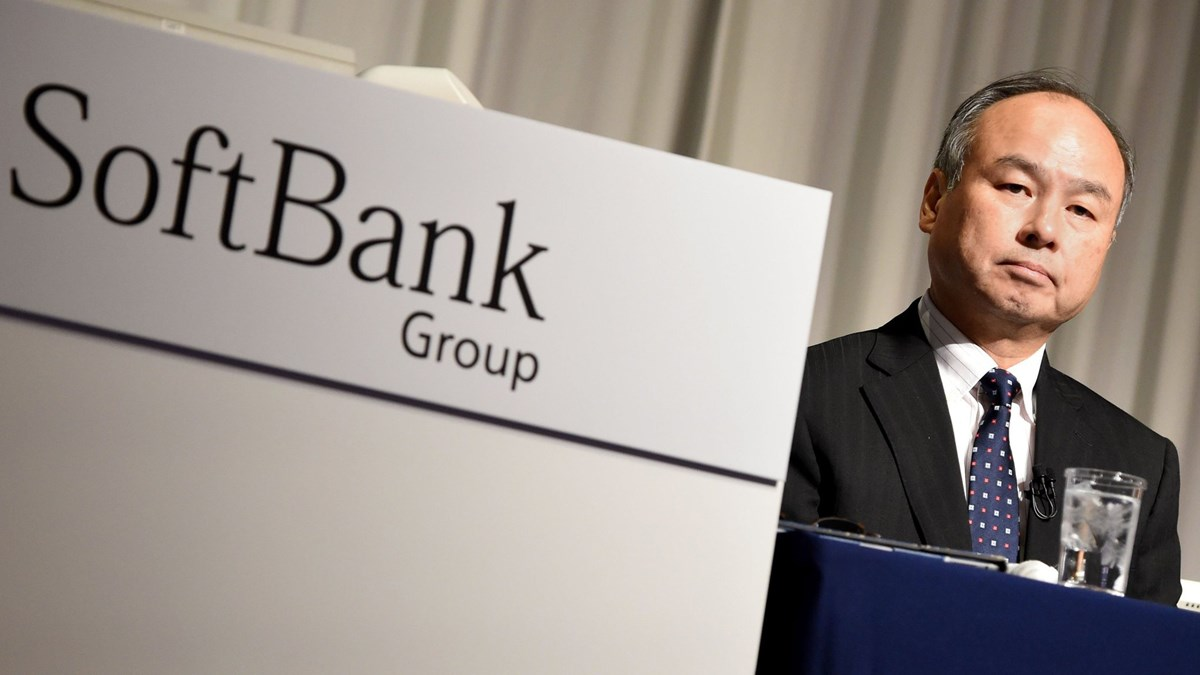
SoftBank Group Corp (9984.T) is purchasing Foxconn Technology Group’s (2317.TW) electric vehicle manufacturing plant in Ohio to further its ambitious Stargate project aimed at building extensive AI data center infrastructure across the United States, Bloomberg News reported on Friday. The Stargate initiative, unveiled by U.S. President Donald Trump in January, represents a private sector investment potentially reaching $500 billion, with backing from SoftBank, OpenAI, and Oracle (ORCL.N).

SoftBank reportedly faced challenges in its financial planning for Stargate and sought Foxconn’s involvement to facilitate the development of data centers and related infrastructure, leading to the acquisition. The Ohio facility is expected to be repurposed as a data center site. Reuters could not independently confirm the report; SoftBank declined to comment, and Foxconn did not immediately respond.

The Stargate Project aims to generate over 100,000 jobs across the U.S., aligning with national goals to boost AI infrastructure and domestic technological capacity.

Apollo Acquires Majority Stake in Stream Data Centers to Capitalize on AI-Driven Infrastructure Growth

Apollo has agreed to buy a majority interest in Stream Data Centers (SDC) as part of a strategic bet on the booming demand for digital infrastructure driven by artificial intelligence and cloud computing. Data centers, critical hubs housing computing hardware, are expected to see global spending of up to $6.7 trillion by 2030, according to McKinsey.

Stream Data Centers specializes in building, leasing, and managing large-scale data center campuses. It has completed over 20 projects and has an extensive pipeline with multi-gigawatt capacity. Apollo aims to scale SDC to become a key partner for major hyperscalers like Amazon, Microsoft, and Google, who increasingly rely on third-party developers for land acquisition, regulatory approvals, and power sourcing for their data centers.

Apollo partner Trevor Mills emphasized the ongoing and diverse demand from hyperscalers requiring collaboration with external developers. This investment aligns with rising capital expenditures by tech giants — Meta recently raised its annual spending forecast by $2 billion to as much as $72 billion, Microsoft plans over $30 billion in its fiscal first quarter, and Alphabet increased its 2024 capex target to $85 billion, with further rises expected to meet AI demands.

While financial terms were not disclosed, Apollo’s president Jim Zelter highlighted that data centers will need $1.5 trillion in external financing by 2030, with private credit accounting for $800 billion — a space where Apollo leads. The International Energy Agency forecasts electricity demand for data centers will more than double by then, surpassing Japan’s current total consumption.

Other major asset managers like Blackstone, KKR, and BlackRock have also committed billions to data center investments, underscoring the sector’s growing importance. Stream Data Centers’ management will retain a minority stake and continue running operations post-deal.

Global M&A Reaches $2.6 Trillion in 2025, Driven by AI and Growth Ambitions

Global mergers and acquisitions (M&A) have hit $2.6 trillion in the first seven months of 2025 — the highest level since the pandemic-era peak of 2021 — as companies prioritize growth and capitalize on opportunities in artificial intelligence (AI). Despite a 16% drop in the number of transactions compared to last year, total deal value rose 28%, fueled by large-scale U.S. transactions exceeding $10 billion.

Key deals include Union Pacific Corp’s proposed $85 billion takeover of Norfolk Southern and OpenAI’s $40 billion funding round led by SoftBank. These transactions mark a shift from early-year hesitation caused by U.S. tariffs and geopolitical uncertainty, as renewed boardroom confidence and a clearer regulatory environment spur activity.

Industry experts say the M&A landscape is now heavily growth-oriented, with AI adoption and regulatory changes prompting companies to move quickly to avoid falling behind. Compared to August 2021’s $3.57 trillion, current activity is still down 27%, but bankers expect more large deals in the second half of 2025 as executives adapt to market volatility and post-election policy direction.

Healthcare dominated post-pandemic dealmaking, but over the past two years, technology and electronics have taken the lead. AI-driven needs, such as data center infrastructure and cybersecurity, are major drivers — highlighted by Samsung’s $1.7 billion purchase of FlaktGroup and Palo Alto Networks’ $25 billion acquisition of CyberArk. Private equity has also re-entered the market, with major bids like Sycamore Partners’ $10 billion move to take Walgreens Boots Alliance private and competing offers from KKR and Advent for UK firm Spectris.

The U.S. remains the world’s largest M&A market, representing more than half of global deals, while Asia Pacific’s activity doubled from last year, surpassing the pace of EMEA growth.