Yazılar

Why Tech Giants Are Turning to Nuclear Power to Meet Energy Demands

The tech industry’s growing appetite for energy, driven by artificial intelligence (AI) and cloud computing, is pushing global electricity demands to unprecedented levels. According to the U.S. Department of Energy, global electricity usage could increase by up to 75% by 2050, with tech companies’ AI ambitions serving as a significant factor.

Data centers supporting AI and cloud computing are becoming massive energy consumers, rivaling the electricity demands of entire cities. For instance, Mark Nelson, managing director of Radiant Energy Group, explained, “A new data center that needs the same amount of electricity as, say, Chicago, cannot just build its way out of the problem unless they understand their power needs—steady, 100% power, 24/7, 365 days a year.”

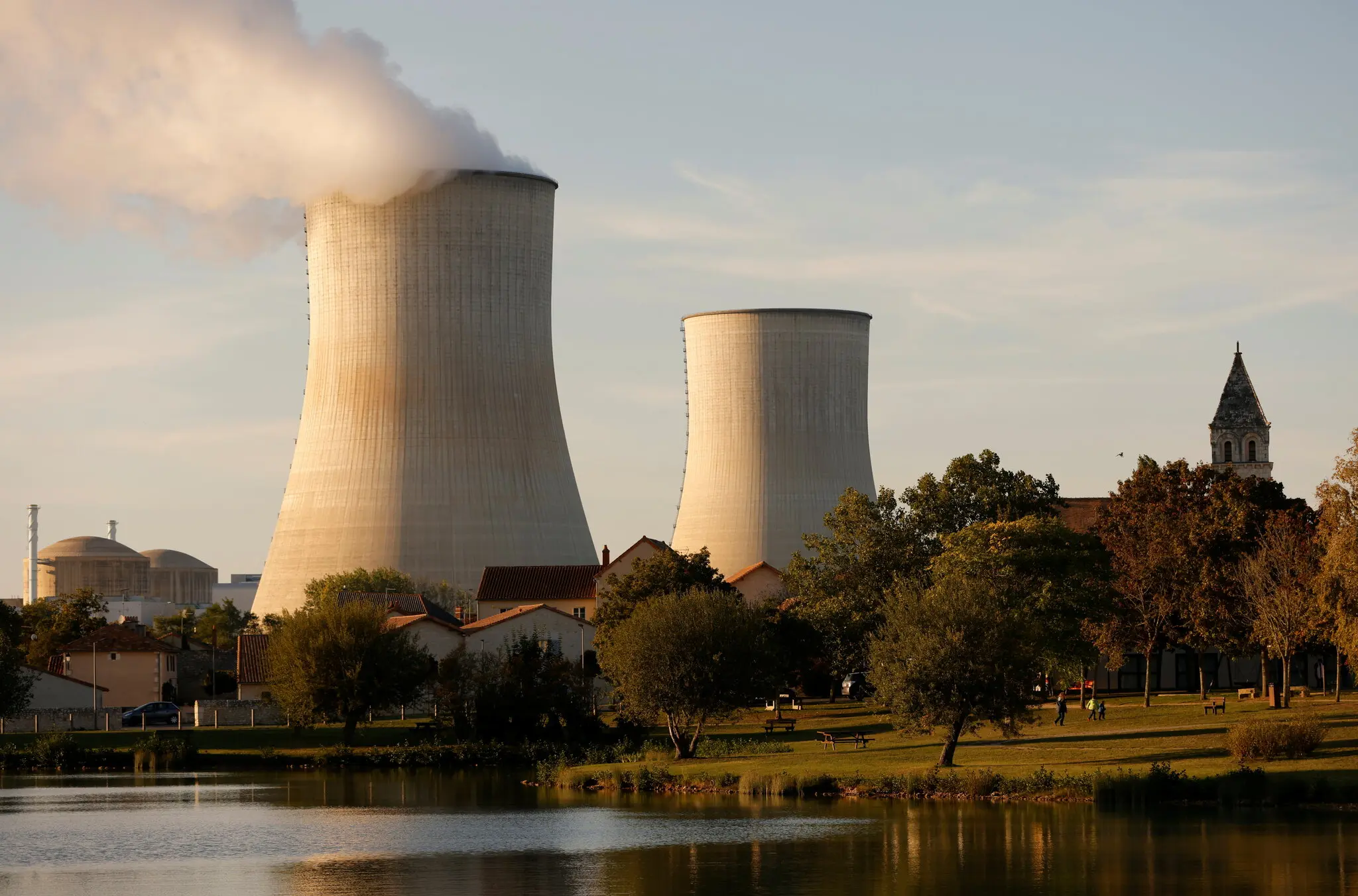
To address these growing demands while staying committed to sustainability goals, tech giants like Google, Amazon, Microsoft, and Meta are increasingly investing in nuclear power. Nuclear energy offers a scalable, carbon-free, and always-on solution that complements intermittent renewable sources like wind and solar.

Michael Terrell, Google’s senior director of energy and climate, emphasized the advantages of nuclear energy: “It’s a carbon-free source of electricity. It’s a source of electricity that can be always on and run all the time. And it provides tremendous economic impact.”

For years, nuclear energy faced setbacks due to safety concerns, fears of meltdowns, and widespread misinformation. However, the energy landscape is shifting. Experts believe that tech companies’ investments could spark a “nuclear revival,” providing a sustainable energy pathway for both the tech industry and broader society.

As AI and data-driven technologies continue to expand, nuclear power may become an integral part of the energy transformation necessary to meet the rising demands of the digital era.


AI Data Centers to Drive Renewable Energy Demand Despite Political Shifts, Says MUFG Americas CEO

The transition to renewable energy in the United States is poised to continue, even under the previous administration of Donald Trump, according to Kevin Cronin, CEO of MUFG Americas, the U.S. subsidiary of Mitsubishi UFJ Financial Group. Despite Trump’s anti-renewables stance, Cronin expressed confidence that renewable energy projects remain viable and necessary due to long-term energy demands and ongoing projects.

“The new administration [referring to Trump] may lean towards fossil fuels, but that doesn’t mean renewables will disappear,” Cronin said in an interview with Reuters. He explained that infrastructure and energy projects often span several years, unaffected by short-term political changes. “We try not to time our strategy around things beyond our control,” he added.

While recent U.S. policies like President Joe Biden’s Inflation Reduction Act have accelerated infrastructure and renewable energy initiatives, Cronin emphasized that a significant growth driver is the soaring energy demand from data centers powered by artificial intelligence. AI’s increasing adoption requires reliable energy sources, with data center capacity projected to double by 2030. “We’re at the peak of the hype cycle of AI, but it’s real and it’s big,” Cronin noted.

Masatoshi Komoriya, chairman of MUFG’s Americas subsidiary, highlighted the bank’s flexible approach to energy financing, balancing both renewable and fossil fuel projects to meet varying regulatory requirements across U.S. states. This strategy allows MUFG to adapt to local energy rules while supporting the growing demand from AI-driven data centers.

Renewable Energy and MUFG’s Leadership

MUFG’s commitment to renewable energy has solidified its position as a leader in project finance, ranking first in loan volume for 14 consecutive years in America. The bank has been instrumental in financing large-scale renewable projects, even as it shifts its focus solely to wholesale banking and markets following the 2022 sale of its U.S. retail banking arm. The U.S. division accounted for nearly 30% of the group’s total profits in the fiscal year ending March 2024.

Additionally, the bank has enhanced its mid-market capabilities in sectors like technology and increased personnel to meet rising demand. MUFG recently hired around 30 former Silicon Valley Bank employees after the institution’s collapse in 2023, further strengthening its position in tech-driven industries.

“We have a more balanced platform than we did 10 years ago,” Cronin stated, reflecting on the bank’s evolution in the competitive U.S. market.

Balancing Renewables and Fossil Fuels

MUFG’s energy strategy underscores its commitment to supporting both traditional and renewable energy projects. With data centers requiring reliable and substantial power supplies, the bank’s flexible approach enables it to finance projects that align with regional energy policies. This adaptability is crucial as states implement varying regulations for energy financing.

Cronin and Komoriya remain optimistic about the long-term outlook for renewable energy, noting that it remains a cornerstone of MUFG’s strategy despite shifting political landscapes. The integration of renewables into energy solutions for AI-powered data centers represents a key growth area for the bank.


AI’s Energy Gold Rush: Battling Bitcoin Miners for Power Supply

As U.S. technology giants like Amazon and Microsoft rapidly expand their AI and cloud computing data centers, they are in fierce competition for a shrinking supply of electricity, often clashing with bitcoin miners who have long dominated energy-intensive operations. These data centers, projected to account for up to 9% of total U.S. electricity by the decade’s end, have sent AI and tech companies scrambling for power assets previously held by cryptocurrency miners. While some bitcoin miners are profiting by leasing or selling their power-connected infrastructure to tech firms, others are struggling as they lose access to the electricity they need to stay in business. Major players like Amazon have secured deals to repurpose mining sites for AI operations, while some miners, such as Core Scientific, are pivoting their facilities toward AI and cloud computing. However, the transition is not smooth for all miners, as retrofitting bitcoin mines to handle sophisticated AI data centers requires extensive infrastructure investment, leaving many unable to compete with the well-capitalized tech giants driving this energy land grab.