Yazılar

Jeff Bezos Envisions Gigawatt-Scale Data Centres in Space Within Two Decades

Amazon founder Jeff Bezos says it’s only a matter of time before humanity builds massive data centres in orbit, powered by continuous solar energy and free from Earth’s environmental constraints. Speaking at Italian Tech Week in Turin, Bezos predicted that gigawatt-scale orbital data hubs could become a reality within the next 10 to 20 years, eventually surpassing their terrestrial counterparts in efficiency and cost.

“These giant training clusters—those will be better built in space,” Bezos said during a conversation with Ferrari and Stellantis Chairman John Elkann. “We have solar power there 24/7—no clouds, no rain, no weather. We will be able to beat the cost of terrestrial data centres in space in the next couple of decades.”

The idea of space-based computing infrastructure is gaining traction among tech firms as AI-driven demand for electricity, cooling, and server capacity skyrockets on Earth. Conventional data centres are now among the world’s largest industrial consumers of energy and water, fueling the search for sustainable alternatives.

Bezos described orbital data centres as a natural next step in the broader trend of using space to improve life on Earth, noting that satellites already manage weather forecasting, communications, and navigation. “The next step is data centres, then other kinds of manufacturing,” he said.

However, the vision faces formidable obstacles: high launch costs, maintenance difficulties, and the risk of mission failures in space. Frequent upgrades—a routine part of Earth-based data infrastructure—would be far more complicated in orbit.

Beyond technology, Bezos framed the discussion within a broader narrative about AI and societal transformation. Drawing parallels between today’s artificial intelligence boom and the dot-com bubble of the early 2000s, he urged optimism despite speculative excess.

“We should be extremely optimistic that the societal and beneficial consequences of AI—like we had with the internet 25 years ago—are for real and there to stay,” he said. “It’s important to separate potential bubbles from the actual underlying reality.”

Bezos emphasized that AI’s impact will be “broadly diffused” across industries and societies, suggesting that the technology’s true promise lies not in isolated breakthroughs but in its global, everyday applications.

His comments add weight to the emerging idea that space infrastructure could become the next great frontier of the digital economy, where data, energy, and AI converge far above Earth’s atmosphere.
Malaysia Slows Data Centre Boom, Complicating China’s AI Chip Access

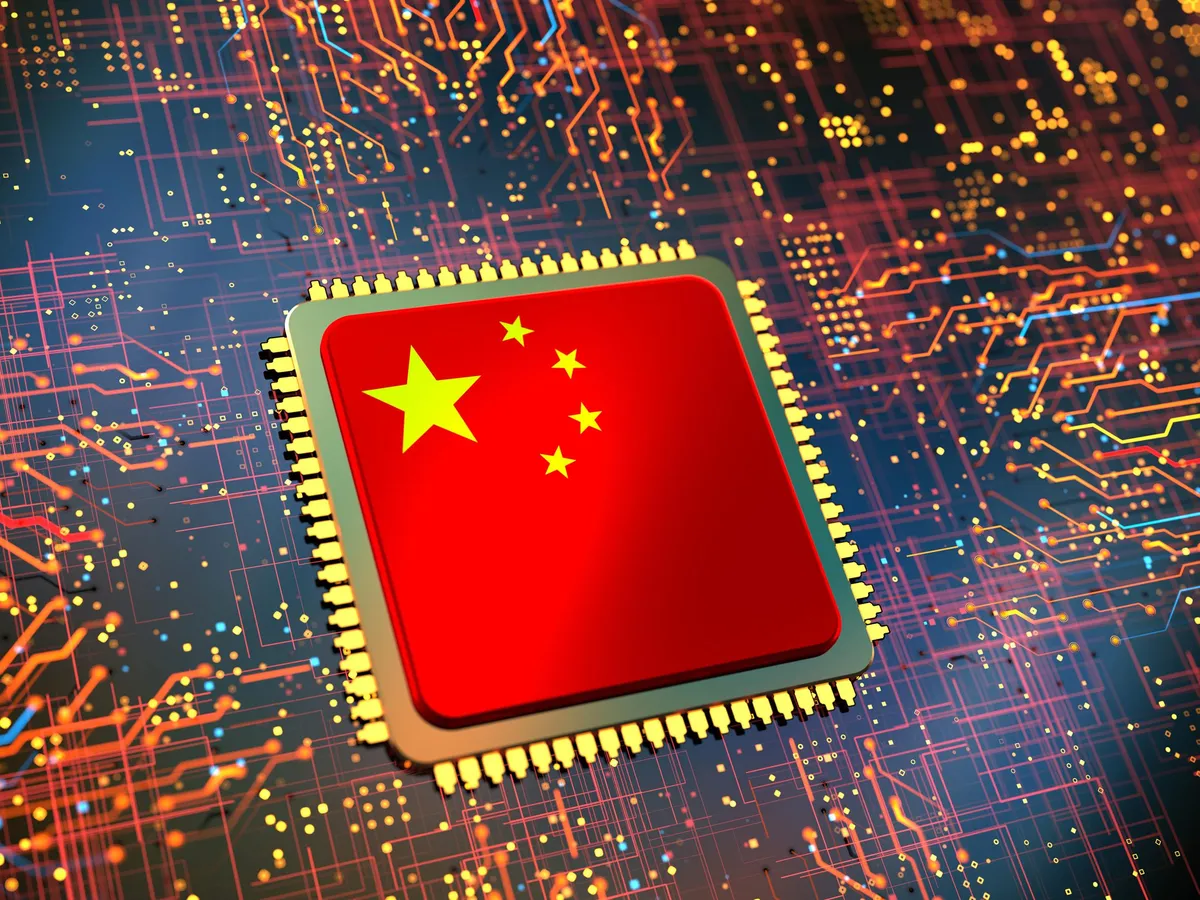
Malaysia, once the fastest-growing hub for data centre expansion in Southeast Asia, is now reining in the pace of growth — a move that could restrict China’s access to U.S.-made AI chips crucial for advanced model training.

Key Developments

  • Dominant role: Malaysia accounts for two-thirds of all data centre capacity under construction in Southeast Asia, led by Johor near Singapore.

  • Growth drivers: Lower costs and spillover from Singapore’s capacity constraints made Malaysia attractive to U.S. giants (Microsoft, Amazon, Google) and Chinese firms (Tencent, Huawei, Alibaba).

  • New restrictions: In July, Malaysia required permits for all exports, trans-shipments and transits of U.S.-made high-performance chips like Nvidia’s, tightening regulatory control.

U.S. Pressure and Trade Tensions

  • Washington fears Malaysia could serve as a backdoor for China to access restricted U.S. chips for AI and potential military applications.

  • Malaysia is simultaneously seeking to finalize a trade deal with the U.S., which increases scrutiny of Chinese-linked data projects.

  • The U.S. Commerce Department has warned that overseas-trained AI models could bolster China’s military edge.

China’s Overseas Push

  • Under Xi Jinping’s “AI Belt and Road” strategy, Chinese operators were urged to expand abroad.

  • GDS Holdings built a major campus in Johor but later spun off its international arm into DayOne, distancing from its Chinese parent amid U.S. pressure.

  • Xi’s April visit to Malaysia ended with pledges of deeper ties in data linkages, 5G and AI infrastructure.

Johor’s Role

  • By mid-2025, Johor had 12 operational data centres (369.9 MW) with 28 more planned (898.7 MW), worth $39B in investments.

  • Johor introduced a vetting committee in 2024, rejecting ~30% of applications for unsustainable energy or water practices. Approval rates have since improved as firms adapt.

Risks for China

  • Chinese AI chips still lag behind Nvidia’s in performance. While Malaysia leaves room for in-country use of U.S. chips, scrutiny is rising.

  • Chinese firms are increasingly rebranding or restructuring overseas operations to avoid geopolitical pressure.

  • Analysts warn Southeast Asia may become a less reliable outlet for China’s AI ambitions as U.S. tariffs and regulatory scrutiny intensify.

SoftBank Group Swings to Profit in Q1 as AI Investments Drive Gains; Stargate Data Centre Project Faces Delays

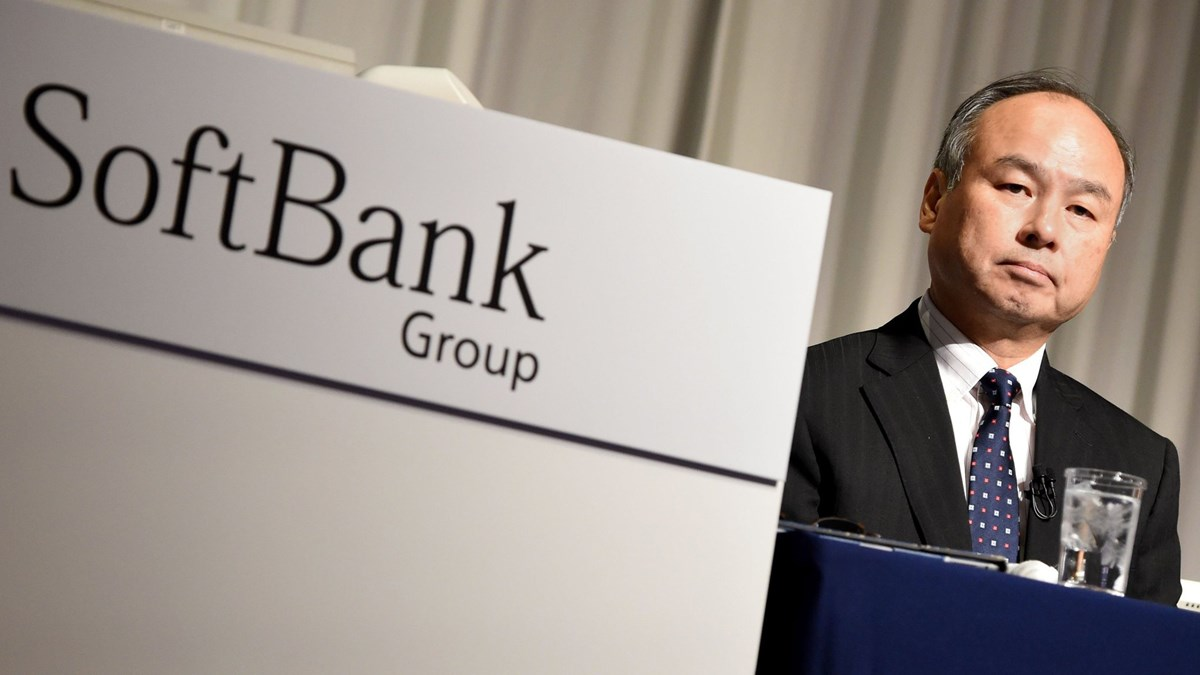
SoftBank Group reported a net profit of $2.87 billion for the first quarter, fueled by strong valuations in its Vision Fund portfolio, particularly in AI-related investments. The Japanese technology investor’s turnaround from a loss a year ago is timely as it embarks on a large spending spree focused on artificial intelligence companies.

However, the company’s ambitious $500 billion Stargate project to develop U.S. data centres is delayed due to extended negotiations and site selection, SoftBank CFO Yoshimitsu Goto said. Despite the slower-than-expected pace, SoftBank is advancing with several identified sites and remains committed to building out the data centres over four years.

SoftBank’s Vision Funds now hold $45 billion in late-stage companies poised for IPOs, up from $36 billion in March, partly reflecting the recent $7.5 billion Vision Fund 2 investment in OpenAI. The Vision Fund posted a Q1 investment gain of about $4.94 billion, with South Korean e-commerce firm Coupang’s share price surge accounting for half of that gain.

SoftBank leads a $40 billion funding round for OpenAI, with $22.5 billion due by year-end. Founder Masayoshi Son aims to position SoftBank as a key “organiser of the industry” through strategic AI investments and the Stargate initiative.

SoftBank has also raised $7.8 billion recently by partially selling its stake in T-Mobile. However, the Vision Funds’ overall realized gains remain modest—only about $5 billion out of $172.2 billion committed capital as of June’s end—highlighting challenges in monetizing investments.