Yazılar

CFTC Moves to Permit Spot Crypto Trading on Registered Futures Exchanges

The U.S. Commodity Futures Trading Commission (CFTC) announced plans to launch an initiative allowing spot trading of crypto asset contracts on futures exchanges registered with the agency. This effort aims to further integrate digital assets into traditional finance and could accelerate broader crypto adoption.

Acting Chair Caroline Pham explained that the CFTC will work alongside the Securities and Exchange Commission’s Project Crypto to enable federal-level trading of digital assets. The agency has opened a public comment period to gather input on how to designate spot crypto asset contracts for trading on regulated markets.

Industry leaders welcomed the move as a significant step toward aligning crypto markets with conventional financial standards. Saad Ahmed, head of Asia Pacific at Gemini, said the initiative could expand institutional and sophisticated investor participation worldwide.

The development follows several crypto-friendly actions by the Trump administration, including bills like the GENIUS Act and CLARITY Act aimed at creating tailored regulatory frameworks. Shortly after taking office, President Trump established a crypto working group tasked with recommending new regulations, fulfilling his campaign pledge to overhaul U.S. crypto policy.

Last week, the administration released a landmark report urging the SEC to implement specific rules for digital assets and encouraged the CFTC to use its existing powers to “immediately enable” federal digital asset trading. Trump, who branded himself the “crypto president” during his campaign, received substantial financial support from the crypto industry and Republican congressional candidates.

SEC Chair Paul Atkins recently outlined multiple pro-crypto initiatives, including developing clearer guidelines on when a crypto token qualifies as a security and proposals for disclosure and exemption rules.

The dual approach by the CFTC and SEC marks a victory for the crypto sector, which has long sought tailored regulations. It may also benefit exchanges, which have dominated spot trading by operating in a regulatory gray area.

Joseph Edwards, head of research at Enigma Securities, expressed optimism that a wider range of digital assets beyond Bitcoin and Ethereum could establish themselves on U.S. trading platforms over the next two years, aided by initiatives like this.

However, the success of these initiatives hinges on resolving fundamental questions about whether digital assets should be regulated as commodities or securities—a longstanding issue for U.S. regulators.

Neither the CFTC nor the SEC has provided further comments yet.

This shift under the Trump administration sharply contrasts with the Biden administration’s regulatory crackdown, which has included lawsuits against major exchanges such as Coinbase and Binance for alleged violations of U.S. laws. The Trump-era SEC has reportedly dropped these cases.

Ripple Applies for U.S. National Bank Charter to Advance Crypto Integration

Crypto firm Ripple has submitted an application for a U.S. national bank charter, aiming to deepen its integration with the traditional financial system and gain regulatory clarity, CEO Brad Garlinghouse announced on Wednesday. This move follows a similar step by stablecoin issuer Circle, signaling growing momentum among crypto firms to enter the regulated banking space.

Obtaining a national charter from the Office of the Comptroller of the Currency (OCC) would enable Ripple to settle payments more quickly and at lower costs by reducing reliance on intermediary banks. The OCC confirmed receipt of Ripple’s application. Additionally, Ripple is seeking a Federal Reserve Master account to directly access the Fed’s payment infrastructure and hold stablecoin reserves with the central bank, as Garlinghouse detailed on social media.

Ripple’s stablecoin, RLUSD, launched in October 2024, currently holds a market value near $470 million, placing it among the larger stablecoins, though still smaller than dominant players like Tether and Circle’s USD Coin. The timing aligns with increased regulatory attention on stablecoins, particularly after the U.S. Senate passed the GENIUS Act, which industry experts say will foster safer adoption by clarifying regulations.

Circle also recently applied for a national trust bank charter shortly after its strong IPO, reflecting a broader industry push to legitimize and scale crypto payment systems through traditional finance channels.

Grayscale, a major digital asset manager, praised the GENIUS Act, stating it is likely to enhance stablecoin adoption in the U.S. while maintaining safeguards for consumers and financial stability.

US Senate Passes Stablecoin Bill in Milestone for Crypto Industry

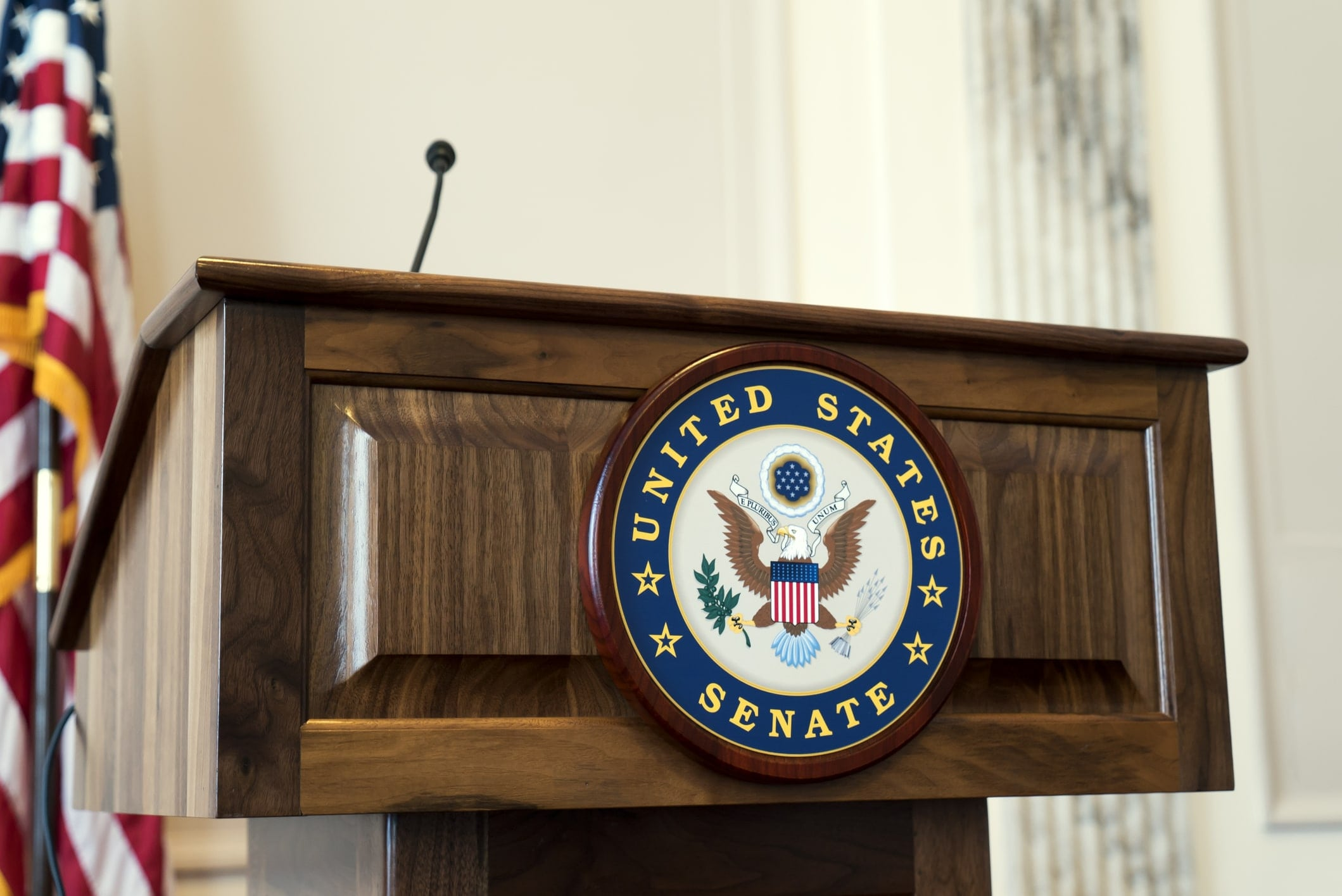
The U.S. Senate on Tuesday approved the GENIUS Act, a bipartisan bill establishing the first federal regulatory framework for stablecoins—cryptocurrency tokens pegged to the U.S. dollar. The bill passed with a vote of 68-30, marking a significant step toward formal oversight of a rapidly growing sector in digital finance.

Stablecoins, which maintain a steady value typically linked 1:1 to the dollar, are widely used by crypto traders for quick transfers between tokens and are increasingly considered for instant payments. If signed into law, the legislation would require stablecoin issuers to back tokens with liquid assets like cash or short-term Treasury bills and publicly disclose reserve compositions monthly.

The crypto industry has advocated for clear regulation, believing it could boost adoption and investor confidence. However, concerns remain among some Democrats and financial watchdogs that the bill could enable big tech firms to issue private stablecoins without sufficient anti-money laundering safeguards or protections against foreign issuers.

The bill now moves to the Republican-controlled House, which must pass its own version before it can be signed by President Donald Trump. Trump’s White House advisers have emphasized a desire to enact stablecoin rules by August.

Critics have also highlighted potential conflicts of interest related to Trump’s own crypto ventures, including a meme coin and a crypto company partly owned by him, though the White House maintains that his assets are held in a trust.

The Conference of State Bank Supervisors has called for amendments to prevent expanding the authority of uninsured banks without state oversight.

Despite these debates, legal experts hail the Senate’s approval as a landmark moment in regulating a fast-evolving financial technology.