Yazılar

Gemini Secures Nasdaq Investment Ahead of IPO, Strengthening Crypto–Wall Street Ties

Cryptocurrency exchange Gemini, founded by Cameron and Tyler Winklevoss, has secured Nasdaq as a strategic investor in its upcoming New York listing, marking a significant step for the digital asset industry as it pushes further into mainstream finance.

IPO Details

  • Gemini is targeting up to $317 million in proceeds from its IPO.

  • Nasdaq will buy $50 million in shares in a private placement during the listing.

  • Trading is expected to begin Friday under the ticker “GEMI”, though final timing depends on market conditions.

Strategic Partnership

The partnership extends beyond capital:

  • Nasdaq clients will gain access to Gemini’s custody and staking services.

  • Gemini’s institutional clients will be able to use Nasdaq’s Calypso platform to manage and track trading collateral.

Market Context

  • The IPO comes amid a rebound in U.S. equity capital markets, with strong investor demand for new listings.

  • Recent high-profile IPOs — including Figma and Firefly Aerospace — have boosted confidence.

  • Gemini would become the third publicly traded crypto exchange, following Coinbase and Bullish.

Gemini’s Position

  • One of the largest U.S. crypto exchanges by volume, Gemini manages $21 billion in assets and has processed $285 billion in lifetime trading volume.

  • Services include an OTC trading desk, a U.S. crypto credit card, and support for Bitcoin, Ether, and stablecoins.

  • The company reported a net loss of $282.5 million on revenue of $68.6 million for the first half of 2025, compared with a smaller loss a year earlier.

Broader Significance

The Nasdaq partnership signals a deepening connection between Wall Street and crypto markets, reinforcing digital assets as a mainstream asset class.
The move also positions Gemini as a stronger competitor in an IPO wave dominated by crypto and AI-related firms.
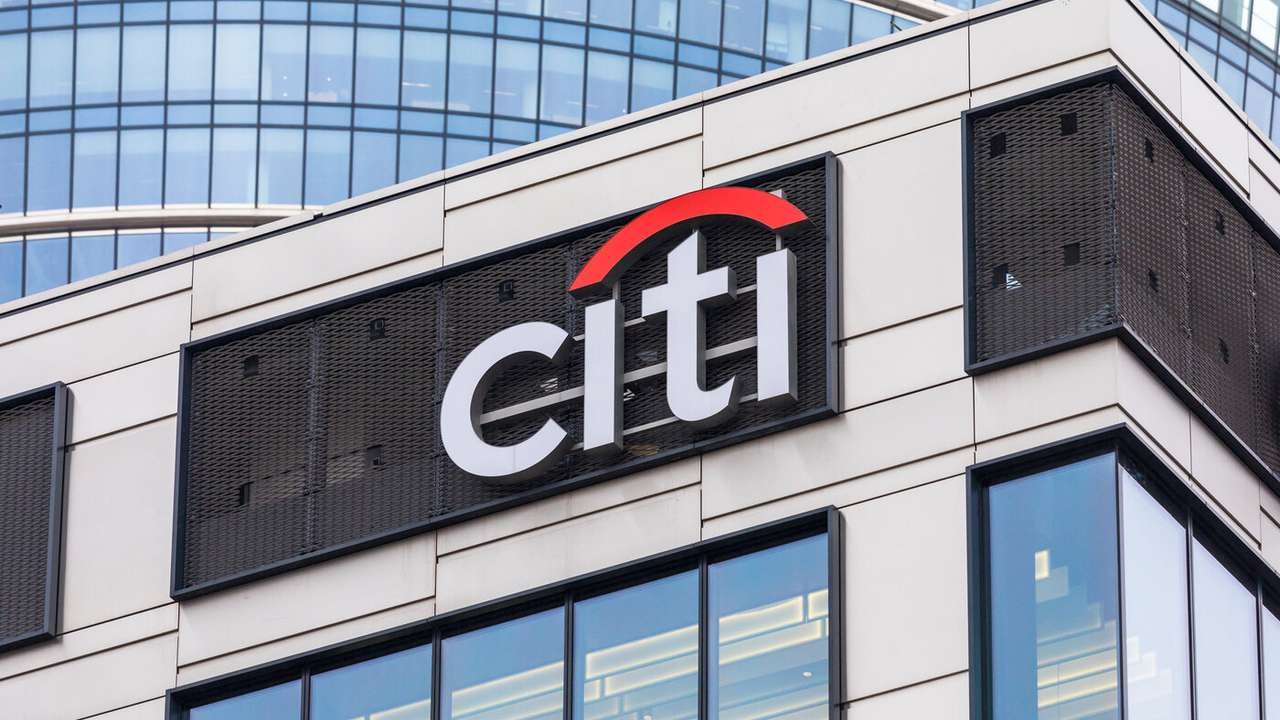

Citigroup Explores Stablecoin Custody and Crypto ETF Services Amid Regulatory Shift

Citigroup (C.N) is evaluating the provision of stablecoin custody and related services, signaling growing interest from traditional financial institutions in the cryptocurrency sector, a senior executive told Reuters. The move comes as recent U.S. legislation paves the way for stablecoins—digital tokens pegged to fiat currencies like the U.S. dollar—to be used more broadly for payments, settlements, and other financial services.

Under the new law, stablecoin issuers must hold safe assets, such as U.S. Treasuries or cash, to back their digital coins. This creates potential opportunities for custody banks to provide safekeeping and administration. “Providing custody services for those high-quality assets backing stablecoins is the first option we are looking at,” said Biswarup Chatterjee, global head of partnerships and innovation for Citigroup’s services division. Citi’s services business, covering treasury, cash management, payments, and corporate services, remains a central unit amid ongoing restructuring.

Currently, roughly $250 billion in stablecoins have been issued, primarily for settling cryptocurrency trades, according to a McKinsey study. Citigroup is also considering custody services for digital assets linked to crypto investment products, such as bitcoin ETFs. For instance, BlackRock’s iShares Bitcoin Trust—the largest bitcoin ETF—has around $90 billion in market capitalization, requiring custody of an equivalent amount of digital currency. Coinbase currently dominates this business, serving as custodian for more than 80% of crypto ETF issuers.

In addition to custody, Citigroup is exploring the use of stablecoins to accelerate payments, which in traditional banking can take several days. Citi already offers “tokenized” U.S. dollar transfers via blockchain across New York, London, and Hong Kong 24/7 and is developing services that allow clients to send stablecoins or convert them to dollars for instant payments.

The regulatory environment under the Trump administration has become more accommodating to crypto expansion, though Citi and other firms must still adhere to anti-money laundering, currency control, and other compliance requirements. Chatterjee emphasized that crypto custody must ensure assets are legitimately sourced and maintain robust cybersecurity and operational safeguards. The issuance of a Citi-backed stablecoin is also under consideration.

Standard Chartered Raises Year-End Ether Forecast to $7,500

Standard Chartered has raised its year-end target for ether to $7,500, up from $4,000, citing stronger industry engagement and increased holdings of the cryptocurrency in recent months. The new forecast represents a nearly 60% premium over ether’s recent high of $4,700.

Ether, the world’s second-largest cryptocurrency, offers staking opportunities, allowing holders to earn rewards by supporting the Ethereum network, unlike Bitcoin which relies solely on price appreciation. Ether has surged more than 50% over the past month, boosted by the passage of the Genius Act, which establishes a regulatory framework for dollar-pegged stablecoins.

Geoff Kendrick, Standard Chartered’s head of digital assets research, highlighted that growth in the stablecoin sector—projected to expand eightfold by 2028—would drive increased transaction fees on Ethereum, boosting demand for ether. The brokerage also raised its 2028 forecast for ether to $25,000 and noted that Ethereum treasury companies could hold up to 10% of circulating ether, supporting long-term growth.