
Yazılar

French Fintech Qonto Seeks Banking License to Expand Services and Reach 2 Million Clients by 2030

French fintech company Qonto has applied for a banking license from France’s banking regulator, aiming to broaden its offerings beyond payment services to include lending, savings, and investment products. Founded in July 2017, Qonto currently serves over 600,000 small and medium-sized business customers across eight European markets such as France, Germany, Italy, and Spain.

Operating under a payment institution license, Qonto provides digital banking and financial management tools including invoicing, accounting, card payments, and wire transfers. The company’s goal is to grow its client base to 2 million by 2030.

Qonto has raised over 600 million euros ($705 million) from venture capital and angel investors. The firm has also strengthened its board with banking experts like former UniCredit CEO Jean-Pierre Mustier, who now serves as an independent board member.

A banking license would allow Qonto to develop partnerships and offer its pay-later services with greater autonomy, according to CEO and co-founder Alexandre Prot. This move comes as digital payments continue to grow in Europe, although at a slower pace, with cards still dominating payment values and mobile apps gaining traction.
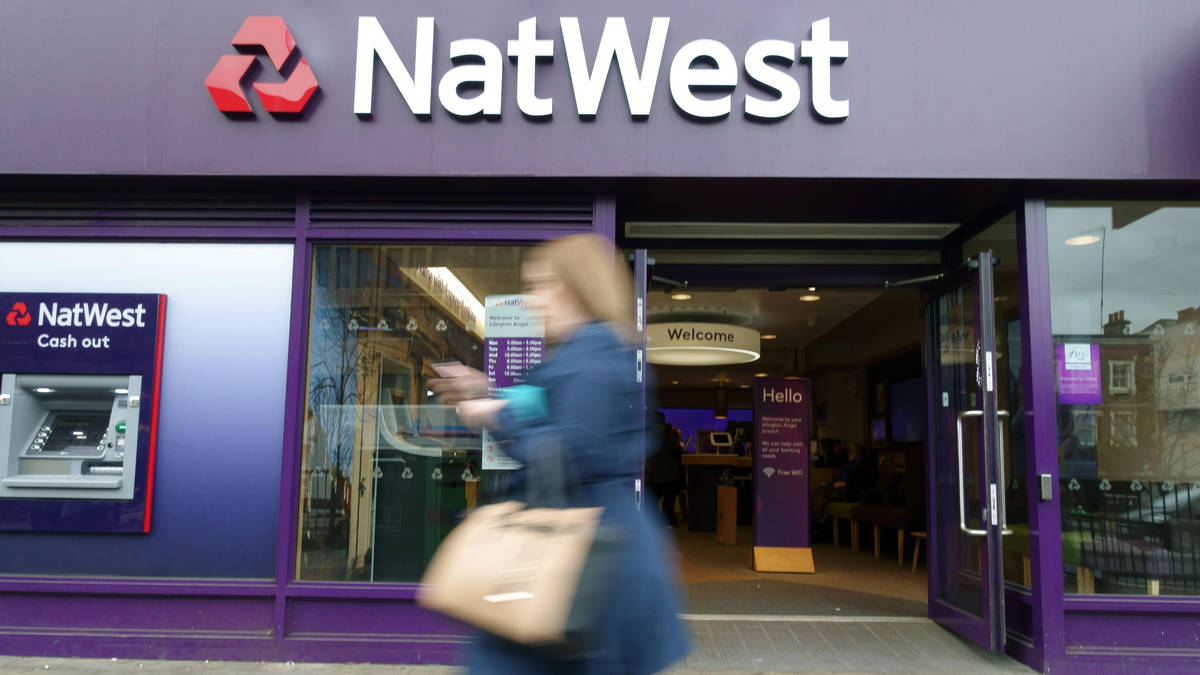
NatWest Partners with OpenAI to Enhance Digital Banking Experience

NatWest has teamed up with OpenAI in a groundbreaking collaboration aimed at enhancing its digital assistants and customer support services through advanced artificial intelligence. This marks the first such partnership between a UK-based bank and OpenAI. The collaboration is part of NatWest’s strategy to improve customer experience, reduce operational costs, and combat financial fraud in the banking sector.

Under the agreement, NatWest will gain access to OpenAI’s full range of products, as well as early access to upcoming AI tools and dedicated consultancy. One of the primary areas of focus is improving NatWest’s customer-facing chatbot, Cora, and its internal virtual assistant, AskArchie. The bank hopes to leverage AI to encourage customers to report suspected fraud through Cora, reducing the heavy reliance on phone calls, and speeding up the process of securing vulnerable accounts.

In the first half of 2024 alone, UK payment fraud amounted to over £570 million ($740 million), with scammers finding increasingly sophisticated ways to trap victims. By enhancing Cora’s fraud reporting capabilities, NatWest aims to improve response times and allow call handlers to focus on other customer needs.

The bank also envisions that AI-powered digital assistants will help customers better manage their finances, ultimately contributing to more informed financial decisions. According to NatWest, the introduction of generative AI into Cora has led to a 150% increase in customer satisfaction and reduced the need for human intervention in many cases.

With around 80% of its retail customers using digital banking exclusively, NatWest sees continuous innovation in AI-driven services as a key part of its future strategy.