Yazılar

Indonesia Antitrust Agency Grants Conditional Approval for TikTok’s Tokopedia Acquisition

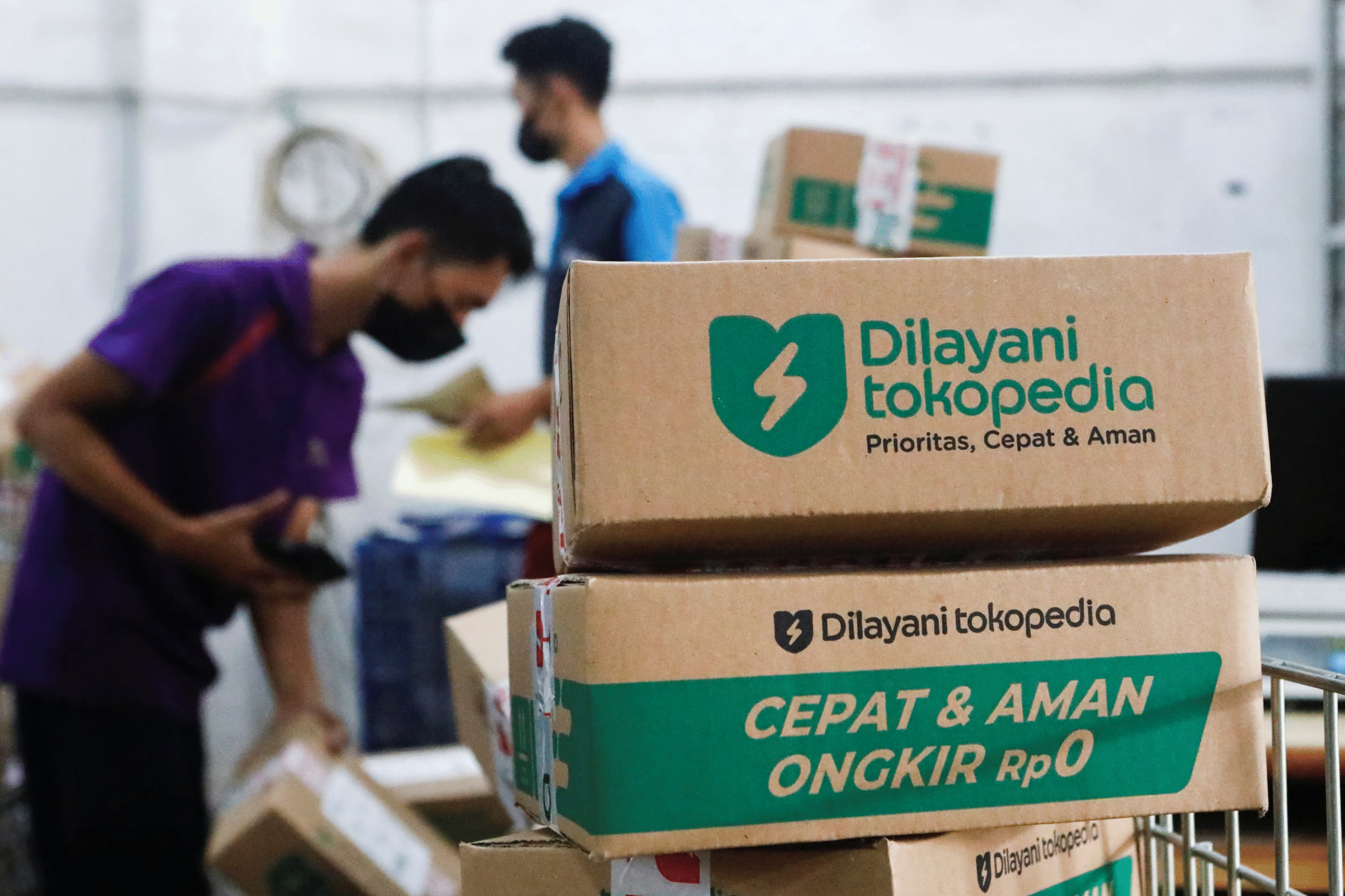
Indonesia’s antitrust authority, the KPPU, has given a conditional green light to TikTok’s $840 million acquisition of a 75.01% stake in Tokopedia, the country’s largest e-commerce platform. The deal, completed in January 2024, was previously scrutinized for potential monopoly risks.

The KPPU’s approval comes after TikTok and Tokopedia agreed to meet several conditions designed to safeguard fair competition. These include maintaining open access to payment and logistics services and prohibiting predatory pricing practices that could harm market fairness.

During its probe, the agency had flagged concerns over increased market concentration and the possibility of post-acquisition price hikes due to TikTok’s dominant position. The conditions aim to mitigate these risks and promote a balanced digital marketplace.

TikTok expressed respect for the KPPU’s decision and reiterated its commitment to fair competition principles. The KPPU will continue monitoring compliance with the conditions until June 17, 2027, retaining authority to impose sanctions if violations occur.
Careem to Suspend Pakistan Service After Nearly a Decade Amid Economic Challenges

Careem, the ride-hailing service owned by Uber in the Middle East, announced it will suspend its Pakistan operations on July 18, ending a near 10-year presence in the country due to economic difficulties, rising competition, and capital constraints.

Launched in 2015, Careem was a pioneer in app-based transport in Pakistan, helping to popularize digital payments, app bookings, and increasing female ridership. However, the company said the tough macroeconomic environment, intensified competition, and challenges in global capital allocation made continued investment unsustainable.

Newer competitors such as Russia-backed Yango and Latin America’s inDrive have expanded aggressively in Pakistan’s major cities with low-cost ride models. This follows Uber’s exit from Pakistan in 2022, signaling mounting pressure on the country’s digital economy.

Pakistan’s startup ecosystem has struggled since 2022 amid drying venture capital, soaring inflation which peaked at 38% before easing to 3.5%, and weakening consumer demand. Several startups like Airlift, Swvl, VavaCars, and Truck It In have shut down or downsized.

Globally, ride-hailing companies including Uber, Lyft, and Grab have been exiting unprofitable markets or shifting toward adjacent services such as deliveries and payments, due to rising costs, regulatory hurdles, and thin margins in emerging markets. Uber continues to operate in parts of the Middle East and North Africa but has withdrawn from Pakistan as of 2024.

SingTel Secures $476 Million Green Loan for Data Centre Development

Singapore Telecommunications (SingTel) announced that it has secured a green loan worth S$643 million ($476.16 million) to fund the development of a new 58-megawatt (MW) data centre in Singapore. The loan, which spans five years, has been provided by a consortium of lenders, including DBS Group, OCBC, Standard Chartered, HSBC, and United Overseas Bank.

Green loans are specifically designated to finance projects that support environmental sustainability, reflecting the increasing focus on aligning data centre growth with climate goals, especially as industries like artificial intelligence (AI) and cloud computing drive rising demand for such facilities. SingTel’s new data centre, located in Tuas, is expected to be operational by 2026 and will feature a high-density environment ideal for handling the growing AI workloads.

Arthur Lang, SingTel’s group chief financial officer, emphasized that this green loan would help the company contribute to Singapore’s digital economy while aligning with its long-term net-zero objectives. SingTel had previously secured a S$535 million green loan in December 2023 to refinance debt and fund the development of two other data centres in Singapore.