Europeans Turn to Local Digital Services Amid U.S. Tech Firms’ Political Shift and Privacy Concerns
As former President Donald Trump’s second term unfolds, many Europeans are increasingly distancing themselves from U.S. tech giants, driven by political unease and growing concerns over digital sovereignty and data privacy.
In Berlin, volunteers at a charity-run market stall by Topio are helping people remove Google services from their smartphones, installing alternative Android versions without Google integration. Michael Wirths, Topio’s founder, said the people now seeking help are no longer just privacy advocates, but politically aware individuals who feel exposed by continued reliance on American tech.
Interest in European digital alternatives has surged in recent months. According to Similarweb, usage of non-U.S. email, search, and messaging services has seen notable growth. Berlin-based Ecosia, an environmentally focused search engine, reported a 27% year-on-year increase in EU traffic, capturing 1% of Germany’s search market. Meanwhile, Swiss-based ProtonMail saw an 11.7% rise in European users, while usage of Google’s Gmail dropped by 1.9%.
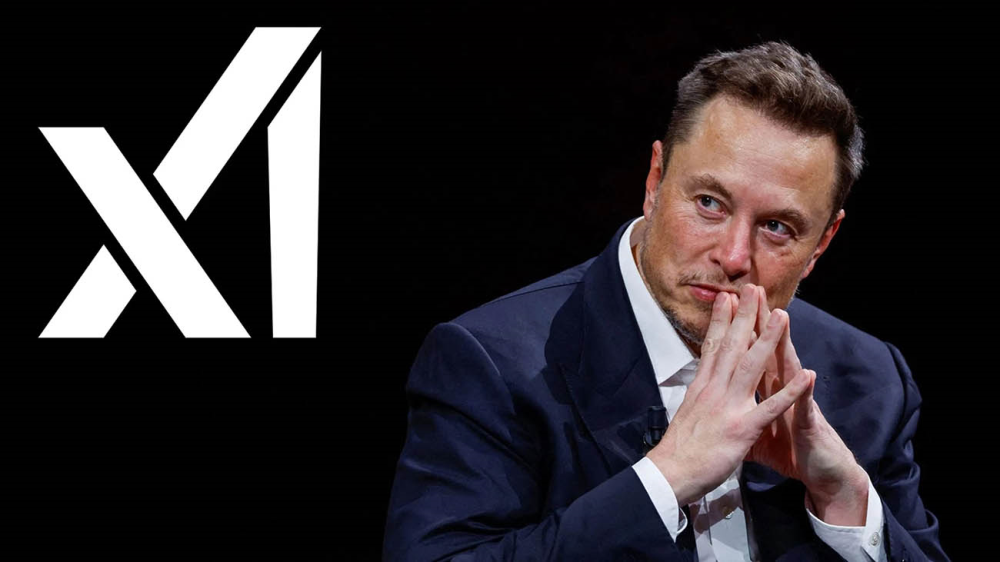
The backdrop to this trend includes Trump’s renewed isolationist rhetoric, a U.S. trade war with Europe, and a cooling of transatlantic diplomatic ties. Prominent U.S. tech CEOs including Elon Musk, Jeff Bezos, Mark Zuckerberg, and Sundar Pichai appeared at Trump’s second inauguration, fuelling public concern in Europe over the political alignment of these firms. Musk, previously an adviser to Trump, fell out with the president, but his close past association left an impression.
Digital sovereignty—a call for Europe to reduce dependency on foreign tech—has gained traction. British tech experts report average users, including hairdressers, are asking about alternatives to U.S. services. British software engineer Ken Tindell said his family is deliberately reducing reliance on American platforms, citing inadequate U.S. privacy laws.
The policy climate has further inflamed tensions. U.S. Vice President JD Vance accused Europe of suppressing free speech, while Secretary of State Marco Rubio threatened visa bans for officials who “censor” Americans, potentially including regulators enforcing EU digital laws. U.S. firms like Meta have criticized Europe’s Digital Services Act (DSA), claiming it censors content. However, EU officials argue the DSA is intended to curb online abuse and misinformation.
Privacy experts like Greg Nojeim confirm that European concerns are valid. U.S. laws allow the government broad access to data, even if stored outside the U.S. but managed by American companies.
European governments are beginning to act. Germany’s coalition government has pledged to shift toward open-source software and EU-based cloud services. In Schleswig-Holstein, all public IT systems must use open-source tools. Meanwhile, Berlin funded Ukraine’s use of France’s Eutelsat satellite service over Musk’s Starlink.
Still, completely severing ties with U.S. tech remains unlikely. Infrastructure dependencies—such as content delivery networks and cloud platforms—are largely U.S.-controlled. Ecosia and France’s Qwant still partially rely on Bing and Google for results, and cloud hosting often comes from the very firms they seek to avoid.
Nevertheless, grassroots movements persist. Reddit’s BuyFromEU group has over 200,000 members encouraging users to switch to EU tech alternatives. Messaging app Signal, although U.S.-based, saw a 7% rise in EU use in March, while WhatsApp usage stagnated.
Despite the push, digital rights experts caution that voluntary shifts alone won’t significantly dent Silicon Valley’s market hold. “The market is too captured,” said activist Robin Berjon. “Regulation is needed as well.”