Yazılar

EU Commission Plans to Reduce Overlap in Tech Regulations, Says Virkkunen

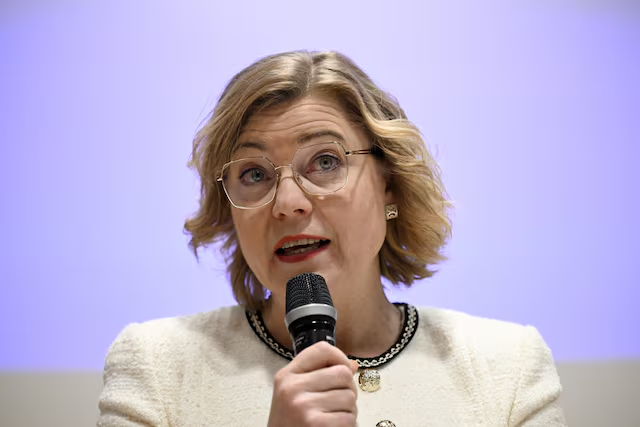
The European Commission is exploring ways to streamline its digital regulations in response to concerns from businesses about regulatory complexity, EU digital chief Henna Virkkunen stated on Thursday. However, she emphasized that key laws like the Digital Services Act (DSA), Digital Markets Act (DMA), and AI Act will not be weakened.

Addressing Business Concerns

Speaking outside a meeting in Amsterdam, Virkkunen acknowledged that companies often struggle with compliance due to overlapping regulations. “It’s often the same company that has to comply with different rules,” she said. The Commission aims to reduce unnecessary bureaucracy, particularly reporting obligations, without compromising the effectiveness of the regulations.

No Compromise on Compliance

Virkkunen reaffirmed that all companies operating in the EU—whether European, American, or Chinese—must adhere to the bloc’s digital laws. She also stressed the importance of consistent enforcement across EU member states rather than introducing additional directives.

Balancing Regulation and Competitiveness

The EU’s strong regulatory stance on tech has faced criticism from both U.S. officials, including former President Donald Trump, and European businesses concerned about over-regulation. Earlier this month, the Commission delayed adopting new climate and sustainability rules amid similar complaints about regulatory burdens affecting the EU’s competitiveness against the U.S. and China.

Virkkunen’s comments signal a potential shift towards simplifying compliance processes while maintaining the EU’s leadership in tech regulation.
Zalando Challenges EU Tech Regulations, Argues It Shouldn’t Be Classified as a Very Large Online Platform

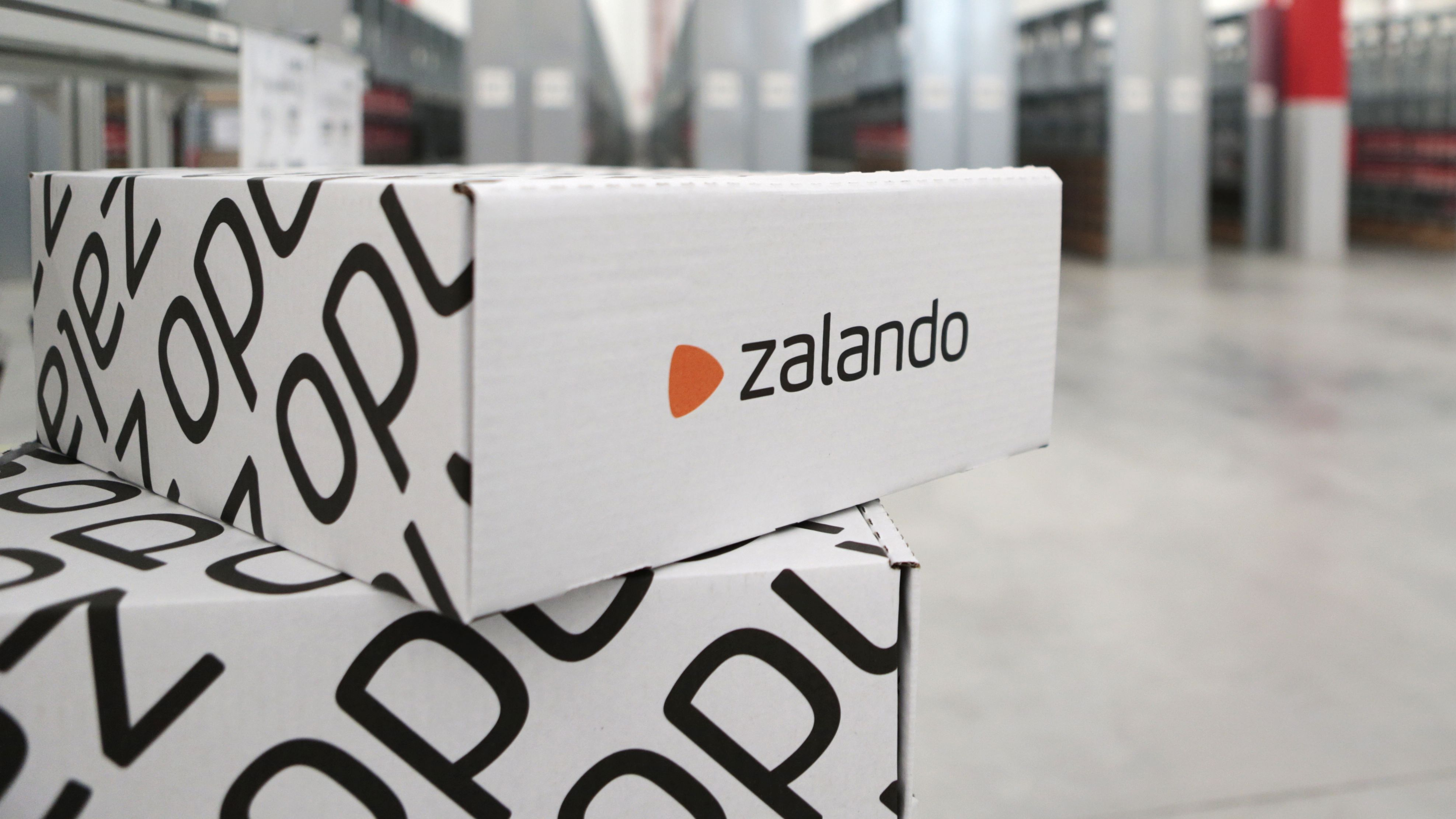
Zalando, Europe’s largest online fashion retailer, has criticized EU regulators for classifying it alongside major platforms like Amazon and AliExpress under the bloc’s Digital Services Act (DSA). The company argues that its business model is fundamentally different, and thus it should not be subject to the same stringent provisions that apply to the other two tech giants.

The DSA, which came into force in 2022, imposes more responsibilities on very large online platforms (VLOPs) to combat illegal and harmful content, with fines of up to 6% of their global annual revenue for non-compliance. Zalando’s lawyer, Robert Briske, told the General Court that the European Commission had failed to properly recognize the differences between Zalando and companies like Amazon, AliExpress, and booking.com. He emphasized that Zalando operates a hybrid business model, combining both direct retail and a marketplace for third-party sellers, which sets it apart from purely online shops or marketplaces.

Zalando contends that the Commission’s designation of its active users as 83 million is inaccurate. The company argues that only 30.8 million of those visitors qualify as active users in 2023, the year it was classified as a VLOP. Briske stated that this miscalculation was another key issue in the case.

In response, EU Commission lawyer Liane Wildpanner defended the classification, asserting that Zalando’s model is similar to that of Amazon and AliExpress, both of which also offer hybrid services. Wildpanner argued that Zalando was attempting to “have the best of both worlds” by challenging its VLOP designation.

Zalando has garnered support from Germany’s e-commerce association, BEVH, while the European Information Society Institute, the European Parliament, and the Council of the European Union have sided with the Commission. The General Court is expected to issue its ruling in the coming months. Amazon, too, has challenged the Commission’s VLOP designation and is awaiting a hearing date.

Vance Warns Europeans That Heavy AI Regulations Could Stifle Innovation

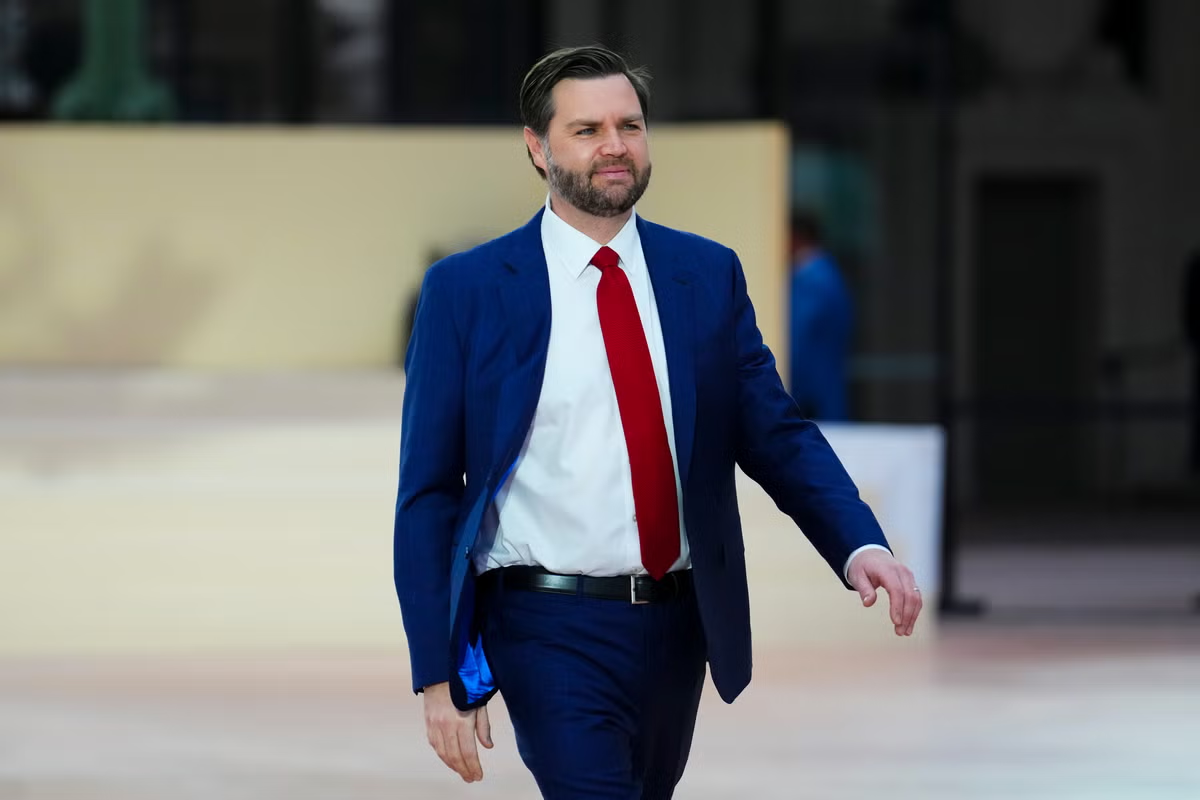
U.S. Vice President JD Vance warned European leaders on Tuesday that heavy regulation on artificial intelligence (AI) could stifle the industry’s potential, arguing that “massive” regulations in Europe might “kill a transformative industry.” Speaking at the AI summit in Paris, Vance expressed opposition to the European Union’s strict regulatory approach, particularly criticizing the Digital Services Act and GDPR privacy rules, which he argued impose legal compliance costs on smaller firms.

Vance emphasized that AI must remain free from ideological bias and rejected the idea of AI being used as a tool for “authoritarian censorship.” In his speech, he argued that while ensuring safety online is important, it should not extend to restricting access to opinions deemed “misinformation” by governments. The U.S. delegation, led by Vance, did not sign the final statement of the summit, which endorsed principles of inclusive, ethical, and safe AI, diverging from the positions of Europe and other countries.

Vance also took the opportunity to address competition from China, warning about partnering with authoritarian regimes, which he said could pose a risk to nations’ information infrastructure. His comments seemed to reference the recent rise of Chinese startup DeepSeek, which challenged U.S. AI leadership with its freely distributed AI model.

While European leaders like French President Macron and European Commission chief Ursula von der Leyen supported trimming regulatory red tape, they stressed that regulation is crucial for ensuring trust in AI. Macron called for “trustworthy AI,” while von der Leyen assured that the EU would reduce bureaucracy and invest more in AI development.

The U.S. and the UK did not explain why they did not sign the final statement, but the decision aligns with their focus on encouraging innovation over regulatory measures. Russell Wald, executive director at the Stanford Institute for Human-Centered Artificial Intelligence, noted that the U.S. policy shift suggests a focus on accelerating innovation rather than safety-focused regulations.