Yazılar

Trump’s DOJ Pick Says Resources Key in Big Tech Antitrust Cases

Gail Slater, President Donald Trump’s nominee to lead the U.S. Department of Justice’s antitrust division, told a Senate confirmation hearing on Wednesday that resource availability would be a critical factor in pursuing high-profile cases against Big Tech.

Slater, an experienced antitrust lawyer and economic adviser to Vice President JD Vance, would oversee cases targeting monopolistic practices if confirmed as the DOJ’s assistant attorney general for antitrust.

Senator Mike Lee, a Republican from Utah and head of the antitrust subcommittee, questioned Slater about her stance on ongoing litigation against Apple, Google, and other tech giants—cases initiated during Trump’s first term and carried over into the Biden administration.

Slater acknowledged the complexities and high costs of such lawsuits. “Resources are of course a very important consideration in antitrust litigation, in taking cases further. It is very complex civil litigation and costly, so that will be a consideration,” she said. She also pledged to advocate for sufficient resources to continue enforcement.

The DOJ is actively suing Google for its dominance in online advertising markets and recently won a case confirming Google’s illegal monopoly in online search. Additionally, the DOJ and state attorneys general have accused companies like Apple, LiveNation, and Visa of anticompetitive practices.

Slater expressed her commitment to collaborating with state attorneys general from both parties on these cases.

Senator Cory Booker, the ranking Democrat on the Senate’s antitrust committee, voiced concerns about how efforts by Tesla CEO and Trump adviser Elon Musk to downsize the federal workforce could hinder the DOJ’s antitrust enforcement. “Any efforts by Musk and Trump to fire or push out federal employees charged with enforcing our antitrust laws will hurt Americans at a time when families are struggling,” Booker said.

Slater’s background includes positions at Fox Corp and Roku, as well as representing major tech firms at the now-defunct Internet Association. She began her career at Freshfields Bruckhaus Deringer and spent a decade at the Federal Trade Commission.

Juniper Networks Denies Allegations in DOJ Lawsuit to Block $14 Billion Merger with HPE

Juniper Networks has formally denied the U.S. Department of Justice’s (DOJ) allegations regarding the $14 billion acquisition of the company by Hewlett Packard Enterprise (HPE). In a recent court filing, Juniper stated that the DOJ’s complaint, which seeks to block the all-cash takeover, misrepresents the competitive landscape for wireless network solutions.

DOJ’s Allegations:

The DOJ filed a lawsuit last month, arguing that the merger would lead to reduced competition in the networking equipment market, resulting in Cisco Systems (CSCO.O) and HPE controlling over 70% of the U.S. market. The department claims this dominance could harm consumers and stifle innovation in the industry.

Juniper’s Defense:

In its filing to a federal court in California, Juniper Networks disagreed with the DOJ’s assessment. The company argued that there are at least eight other competitors in the U.S. market offering wireless networking solutions, reducing the potential for anti-competitive behavior. Juniper further stated that Cisco has maintained more than 50% of the market share for over a decade, while the combined share of HPE and Juniper has been less than 25% in the last three years, not approaching a level that would trigger antitrust concerns.

Market Impact:

Juniper contended that the merger would enhance competition, particularly in challenging Cisco’s market dominance. The company emphasized that the combination of HPE and Juniper would not create a monopoly but rather foster greater competition in the sector.

Legal and Political Context:

This lawsuit marks the DOJ’s first significant antitrust action since President Donald Trump’s second term in office. The case is closely watched as it could set a precedent for future mergers and acquisitions in the tech industry.

US Supports Musk’s Argument in Lawsuit Against OpenAI

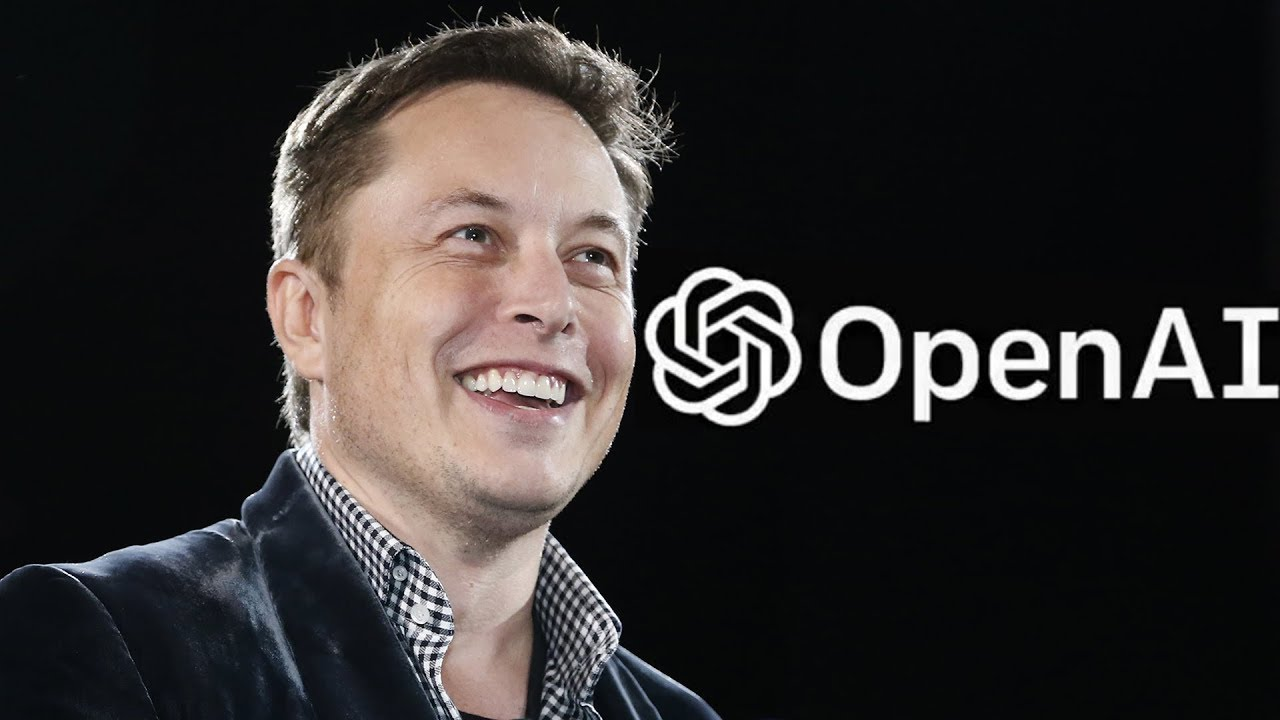
U.S. antitrust regulators have weighed in on Elon Musk’s lawsuit seeking to block OpenAI’s transition into a public company, reinforcing his claims that OpenAI and Microsoft engaged in anticompetitive practices. Although the Federal Trade Commission (FTC) and the Department of Justice (DOJ) did not express a direct opinion on the lawsuit, they provided legal analysis that backs Musk’s argument ahead of a crucial hearing in Oakland, California.

Musk, who co-founded OpenAI and owns AI startup xAI, alleges that OpenAI violated antitrust laws by requiring investors to avoid funding rival artificial intelligence companies and by sharing board members with Microsoft, which is also named in the lawsuit. The lawsuit asserts that these actions harmed competition in the AI market.

In response, OpenAI dismissed the lawsuit, claiming that Musk’s allegations lack evidence and are merely harassment. The company also argued that the claims regarding board member affiliations were irrelevant, as two former Microsoft-affiliated board members—Reid Hoffman and Deannah Templeton—are no longer associated with OpenAI.

However, the FTC and DOJ emphasized that even former board members could still possess sensitive competitive information, which could have implications for antitrust law violations. The authorities also stated that a group investor boycott, as Musk alleges, could be illegal even if the organizer was not a direct investor, reinforcing Musk’s claims of anticompetitive conduct.

The FTC is currently investigating partnerships in AI, including the collaboration between OpenAI and Microsoft, to determine if there have been violations of antitrust or consumer protection laws.