
Yazılar

Microsoft Takes Legal Action Against Lumma Stealer Malware Infecting 400,000 Devices

Microsoft has filed a legal action to disrupt the operations of Lumma Stealer, an advanced piece of information-stealing malware that has infected nearly 400,000 Windows computers worldwide over the past two months, the company said Wednesday.

The action was led by Microsoft’s Digital Crimes Unit (DCU) and involved a court order from the U.S. District Court for the Northern District of Georgia, enabling the takedown, suspension, and blocking of malicious domains that formed the malware’s core infrastructure.

“The growth and resilience of Lumma Stealer highlight the broader evolution of cybercrime and underscore the need for layered defenses and industry collaboration,” Microsoft said in a blog post.

Malware Capabilities

Lumma Stealer targets a wide range of sensitive user data:

  • Extracts information from web browsers, including saved passwords

  • Harvests credentials from cryptocurrency wallets

  • Installs additional malware on compromised systems

It operates as part of a larger cybercrime-as-a-service network, offering malicious tools to third parties for use in data theft and system compromise.

Federal Action and Domain Seizures

In parallel to Microsoft’s civil action:

  • The U.S. Department of Justice announced the seizure of five internet domains tied to the LummaC2 malware infrastructure

  • The FBI’s Dallas Field Office is leading the ongoing criminal investigation

These efforts aim to disrupt the malware’s operations and prevent further infections globally.

Broader Implications

The Lumma Stealer case highlights growing concerns over modular, stealthy malware strains designed to:

  • Evade detection

  • Monetize stolen data

  • Enable subsequent attacks

Microsoft emphasized the need for:

  • Layered cybersecurity defenses

  • Cross-industry cooperation

  • Judicial interventions to combat evolving digital threats

This case adds to a growing list of Microsoft-led legal and technical takedowns aimed at dismantling global cybercrime infrastructure, including recent actions against Storm botnets and ransomware operators.
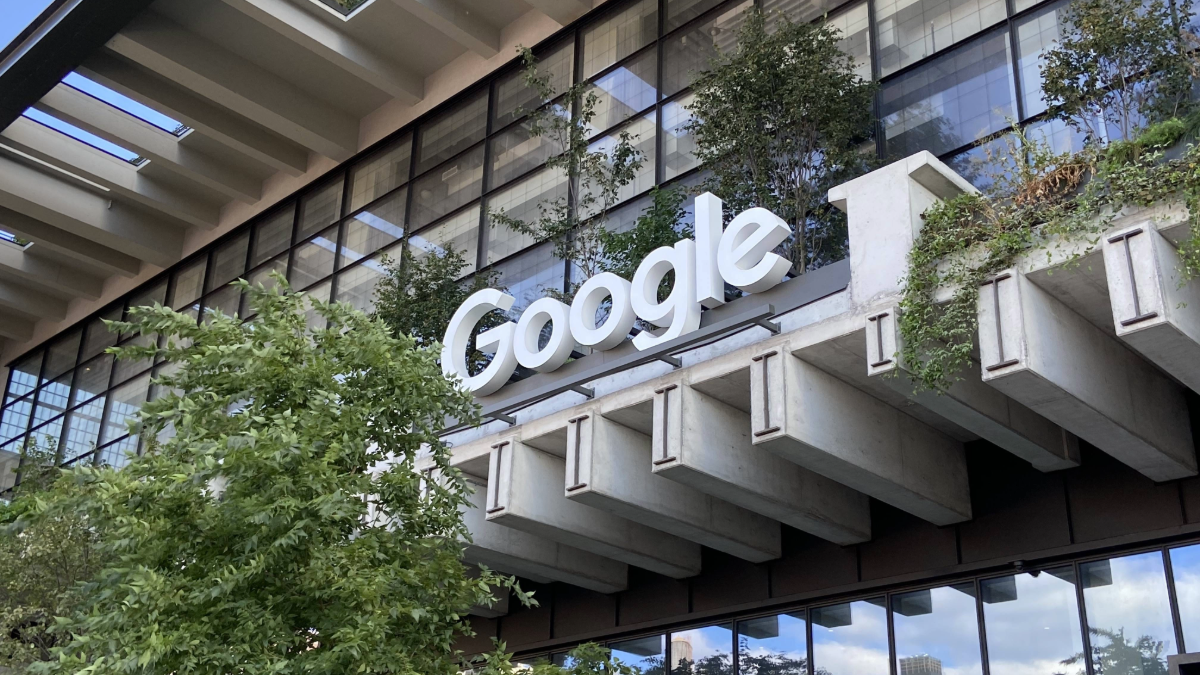
DOJ Claims Google May Use AI to Strengthen Search Dominance as Trial Kicks Off

The U.S. Department of Justice (DOJ) has raised concerns that Alphabet’s Google could further solidify its monopoly in the online search market by leveraging artificial intelligence (AI) products. As the landmark antitrust trial kicked off on Monday, DOJ attorneys argued that Google must be subjected to strict measures to prevent it from using AI as a tool to extend its dominance. The case, which could have far-reaching implications, seeks to reshape the digital landscape by challenging Google’s grip on internet search, potentially shifting the balance of power in the online information realm.

The DOJ is asking the court to mandate significant actions, including requiring Google to divest its Chrome browser. The agency argues that such actions are necessary to break up Google’s monopolistic control over the search industry. In drawing comparisons to past antitrust cases, such as the breakup of AT&T and Standard Oil, DOJ attorney David Dahlquist emphasized that now is the time to send a clear message to Google and other monopolistic entities. According to Dahlquist, these companies need to understand that violating antitrust laws comes with serious consequences, signaling a shift toward stronger enforcement in the digital age.

The government’s case is not just about preserving competition in the current landscape but also about anticipating future challenges. As the online search space continues to evolve, with new technologies like generative AI—exemplified by tools such as ChatGPT—becoming more integrated into the user experience, the DOJ and state attorneys general are pressing for solutions that address both current and future competition concerns. They argue that the court’s remedy should be forward-looking, ensuring that the evolving technological landscape doesn’t become another avenue for Google to entrench its dominance even further.

With these new advancements in AI, the trial could serve as a pivotal moment not just for Google, but for the future of the internet. As the DOJ moves forward with its case, the outcome could set a precedent for how tech giants are regulated in an era where AI and automation are increasingly part of the digital ecosystem. The court’s decision will have lasting implications on how online platforms operate and compete, making this trial one of the most important antitrust cases in recent history.

Google Pushes Back Against U.S. Government’s Antitrust Efforts

Alphabet’s Google has urged the U.S. government to reconsider efforts to break up the tech giant, meeting with officials from President Donald Trump’s administration last week, according to a source familiar with the matter.

The U.S. Department of Justice (DOJ) is currently pursuing two antitrust lawsuits against Google, focusing on its dominance in online search and advertising technology. The agency has outlined potential remedies, including forcing Google to divest key assets such as the Chrome web browser and ending agreements that make it the default search engine on devices like Apple’s iPhone.

A Google spokesperson confirmed that the company regularly engages with regulators, including the DOJ, to discuss ongoing legal matters. “As we’ve publicly stated, we are concerned that the current proposals would harm the American economy and national security,” the spokesperson said.

The DOJ has not yet commented on the recent meeting. The trial to determine potential remedies in the search case is scheduled for April, with a final ruling expected by August.

President Trump’s administration is expected to take a less aggressive stance on antitrust enforcement compared to former President Joe Biden’s policies. Industry experts suggest that this could include a softened approach toward breaking up Google, a move that has been a key concern for the tech giant.